From the subtle dimming of a lightbulb to the complex calculations of a computer, both analog and digital circuits are essential in our modern world. Analog circuits, like those in a traditional radio, process continuous signals, while digital circuits, the heart of our smartphones, operate on discrete 0s and 1s. This article dives deep into their differences, applications, and the nuances of choosing the correct circuit for a specific task. We aim to provide a clear and concise guide to these fundamental building blocks of electronics, allowing you to understand how the physical world interacts with the world of data.
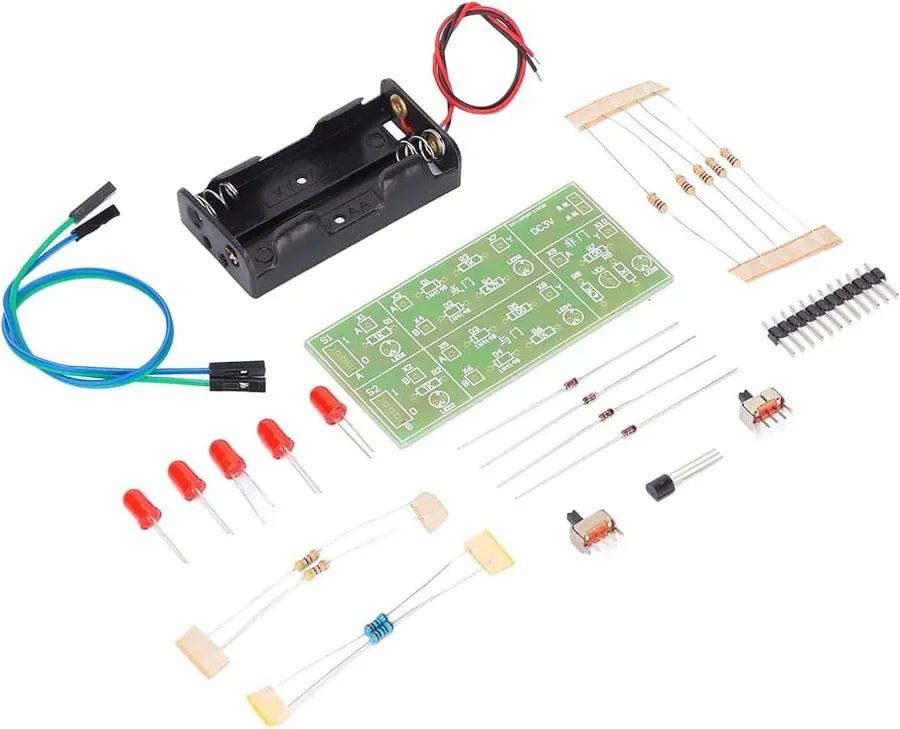
At the heart of electronics lies the distinction between analog and digital circuits, a fundamental dichotomy that shapes how we interact with and manipulate electrical signals. Analog circuits process continuous signals, mirroring the real-world phenomena they represent, while digital circuits handle discrete signals, relying on binary logic to perform calculations and control operations. This difference in signal representation dictates the design, components, and applications of each circuit type.
| Feature | Analog Circuits | Digital Circuits |
|---|---|---|
| Signal Type | Continuous | Discrete |
| Representation | Varying voltage or current | Binary values (0s and 1s) |
| Data Handling | Direct processing of signals | Processing of discrete data |
| Typical Components | Op-amps, resistors, capacitors, diodes | Logic gates, flip-flops, microcontrollers |
| Noise Sensitivity | High | Low |
| Complexity | Often more complex to design for specific functions | Generally more flexible and easier to design |
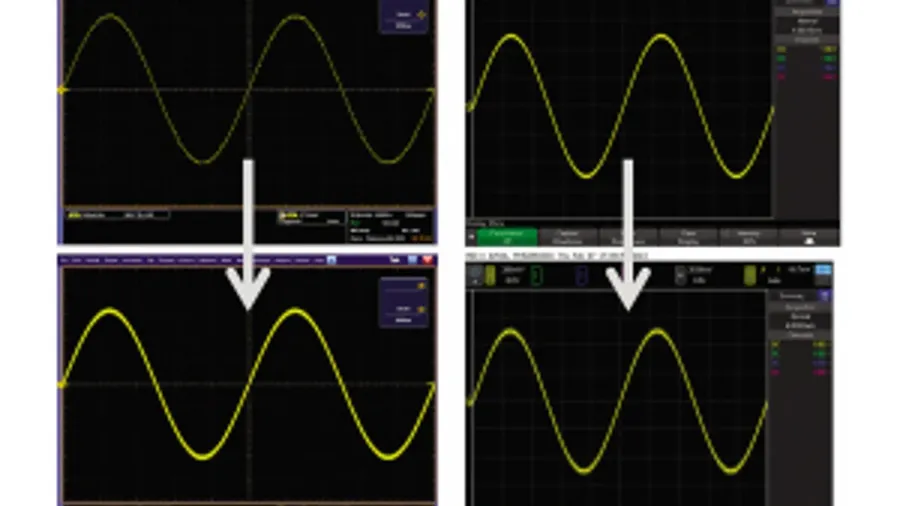
The fundamental distinction between analog and digital circuits lies in how they represent and process signals. Analog circuits manipulate continuous waveforms, while digital circuits operate on discrete pulses. This difference in signal representation dictates their respective applications, capabilities, and limitations.
| Feature | Analog Signal | Digital Signal |
|---|---|---|
| Representation | Continuous waveform that can take any value within a range. | Discrete pulses representing binary values (0 or 1). |
| Signal Nature | Varies smoothly and can have an infinite number of values in a given range. | Changes in defined steps; has a finite number of values. |
| Processing | Processed using linear and non-linear circuits, operations such as amplification, filtering and modulation. | Processed using logic gates and other digital circuit elements, operations such as boolean logic, memory and data transfer. |
| Examples | Sound waves, temperature readings, light intensity. | Computer data, encoded audio files, digital images. |
In analog representation, a signal's amplitude, frequency, and phase can vary continuously, reflecting the real-world physical quantity it represents. This allows analog circuits to process signals that change gradually and naturally. Conversely, digital signals are quantized into discrete levels, typically represented as binary digits (bits), making them amenable to processing via logic circuits. The conversion between analog and digital formats is crucial in many modern applications using ADC and DAC.
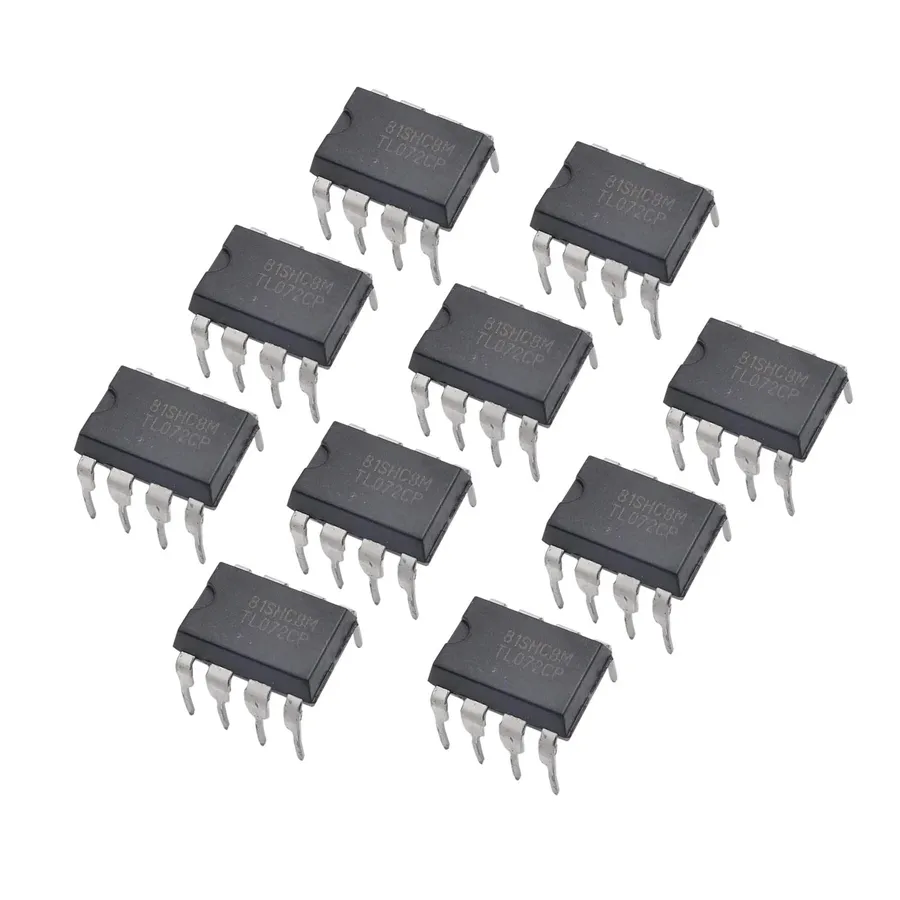
Analog circuits are constructed using fundamental electronic components that manipulate continuous signals. These components are the building blocks for processing real-world signals that vary smoothly over time. The functionality of these circuits relies on the specific behavior and interactions of these core components.
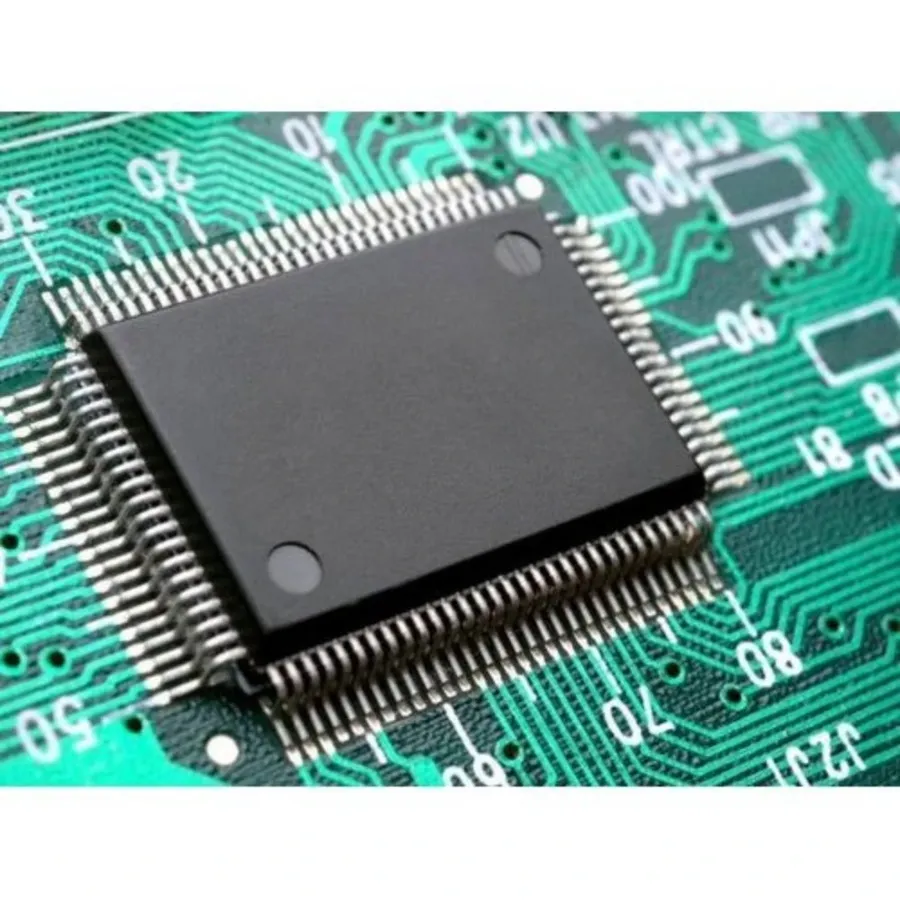
Digital circuits, the foundation of modern electronics, operate on discrete binary signals (0s and 1s). Their core functionality is built upon fundamental components that manipulate these signals to perform complex operations. These components, including logic gates, flip-flops, and microcontrollers, work in concert to create sophisticated digital systems.
| Component | Function | Description |
|---|---|---|
| Logic Gates (AND, OR, NOT, XOR, etc.) | Perform basic Boolean logic operations | Fundamental building blocks that manipulate binary inputs to produce binary outputs according to predefined logical rules. For example, an AND gate outputs a 1 only if both its inputs are 1. |
| Flip-Flops (e.g., D flip-flop, JK flip-flop) | Store one bit of information | Basic memory elements that can hold a single bit (0 or 1). They change state based on clock signals and input values, allowing for sequential logic operations. |
| Microcontrollers | Execute stored program instructions | Integrated circuits containing a processor, memory, and input/output peripherals. They execute instructions stored in memory, enabling control and data processing functionalities. Examples include embedded processors used in everything from microwaves to industrial controllers. |
These components are the cornerstones of digital circuit design. Logic gates form the combinational logic, while flip-flops and other storage elements enable sequential operations. Microcontrollers integrate these elements to create programmable systems capable of complex tasks. The arrangement and interconnection of these digital circuit elements dictates a digital system's overall function.
Analog circuits, while fundamental, present a unique set of strengths and weaknesses. Their ability to directly process real-world signals is a key advantage, yet they also face challenges like noise susceptibility and design intricacy. Understanding these trade-offs is crucial for selecting the appropriate circuit for a given application.
| Feature | Advantages | Disadvantages |
|---|---|---|
| Signal Handling | Direct processing of real-world, continuous signals. | Susceptible to noise and signal degradation. |
| Design Complexity | Can be simpler for basic applications. | Complex designs can become very intricate, requiring specialized knowledge. |
| Component Tolerance | Operation dependent on tolerance of the components used. | Component variations can significantly impact performance, requiring precision components. |
| Power Efficiency | Can be highly efficient for specific use cases | Can consume more power in some applications, especially with linear designs. |
| Cost | Can be less expensive for simple designs | Precision components can increase cost significantly |
| Application Suitability | Ideal for sensor interfaces, audio processing and applications that operate on continuous signals. | Less flexible for complex signal processing and storage compared to digital systems. |
Digital circuits, the cornerstone of modern electronics, offer distinct advantages, including superior noise immunity, ease of design, and programmability. However, they also present certain limitations, such as quantization errors and inherent complexity in implementing certain functions. This section details these strengths and weaknesses, providing a balanced view of the suitability of digital circuits for various applications.
| Feature | Advantage | Disadvantage |
|---|---|---|
| Noise Immunity | High resistance to noise; digital signals can be regenerated and amplified without significant signal degradation. | None related directly to noise immunity |
| Design Ease | Modular design using logic gates and standard components; design and simulation tools facilitate complex system development. | High circuit complexity may arise in advanced applications requiring a large number of gates and logic elements. |
| Programmability | Flexibility in function through programming microcontrollers, FPGAs, and other programmable logic devices. | Programming introduces additional layers of complexity and debugging. |
| Signal Integrity | Precise and consistent signal representation using discrete binary states (0s and 1s). | Quantization error due to conversion from continuous analog signals to discrete digital values can limit precision in certain applications. |
| Scalability | Easily scalable using semiconductor technology to create very-large-scale integration (VLSI) circuits. | As the complexity grows, the power consumption and heat dissipation increase. |
| Signal Storage | Digital signals can be stored and retrieved accurately without significant loss of fidelity. | None related directly to storage |
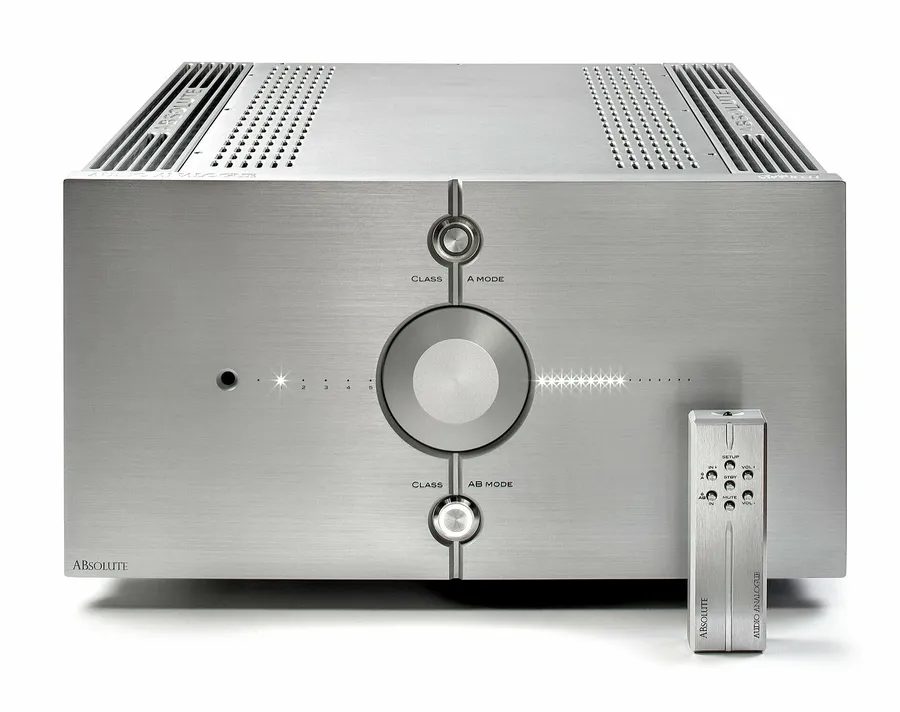
Analog circuits are fundamental to interfacing with the physical world, processing continuous signals that represent real-world phenomena. They are integral to numerous applications where precision and continuous signal handling are crucial, bridging the gap between physical inputs and electronic interpretation.
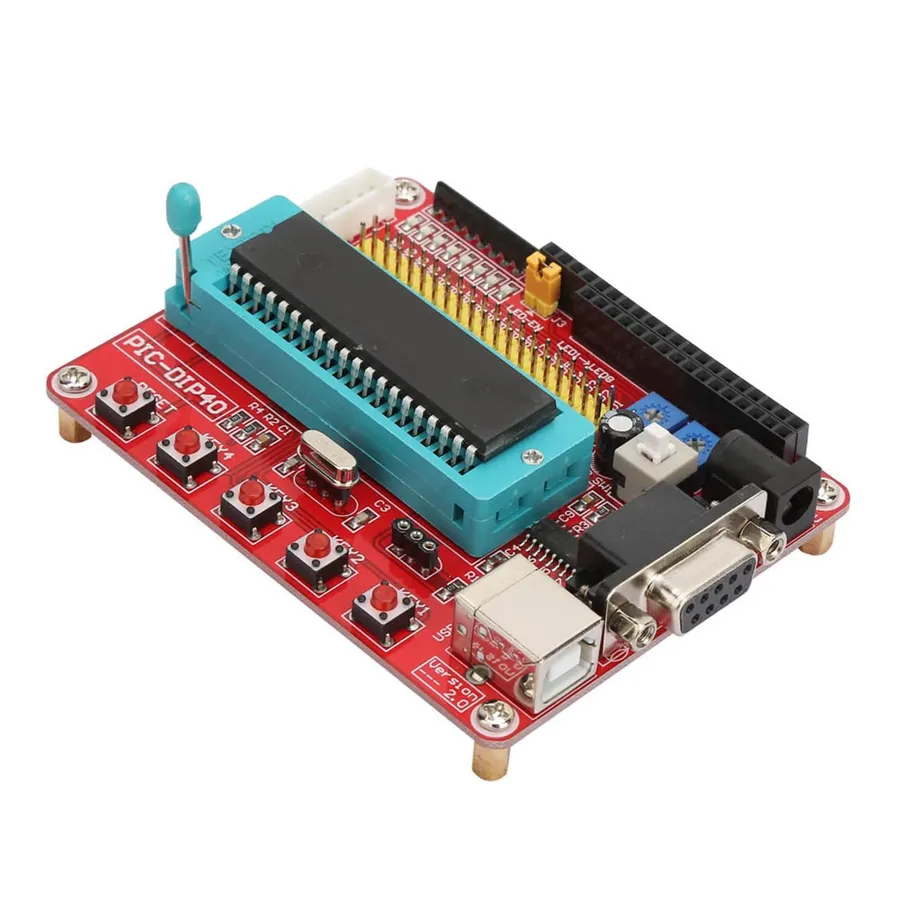
Digital circuits are the bedrock of modern technology, powering a vast array of applications across nearly every industry. Their ability to process information represented in binary form (0s and 1s) with speed and precision has enabled the digital revolution.
This section addresses common queries regarding analog and digital circuits, providing clear and concise answers to enhance understanding and facilitate informed decision-making in electronic design.
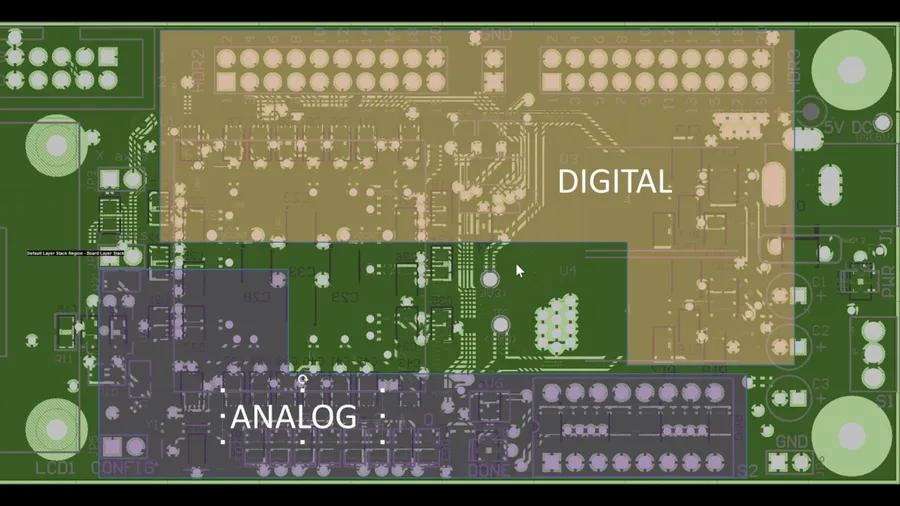
Modern electronic systems increasingly leverage the strengths of both analog and digital circuits by employing a hybrid design approach. This integration allows for the processing of real-world analog signals and the powerful manipulation of digital data, resulting in versatile and efficient systems.
The core of hybrid circuit design lies in the use of Analog-to-Digital Converters (ADCs) and Digital-to-Analog Converters (DACs). ADCs transform continuous analog signals into discrete digital representations, enabling digital processing. Conversely, DACs convert digital signals back into analog waveforms, facilitating interaction with the physical world.
This synergistic combination enables systems to interface seamlessly with a wide range of inputs and outputs, combining the precision and processing capabilities of digital circuits with the real-world signal capture of analog circuits. Hybrid design methodologies unlock functionality that is not achievable using either analog or digital technology alone.
The prevalence of hybrid designs is rapidly increasing, forming a critical area of study and development within electronics engineering. The design and implementation of ADCs and DACs are critical for achieving the performance needed from these hybrid system.
In conclusion, analog and digital circuits each play indispensable roles in modern technology. Analog circuits excel at handling real-world, continuous signals, while digital circuits provide unparalleled precision, programmability, and data processing capabilities. The ability to discern their differences and choose the optimal approach is fundamental to modern electronic design. As technology continues to advance, the hybridization of these approaches will become ever more important. Understanding both analog and digital circuit design enables a deeper appreciation for the systems we rely on every day and opens the door for continued innovation.

