In our daily lives, from smartphones to power grids, electronic components are the unsung heroes. Among these, the aluminum electrolytic capacitor plays a pivotal role, efficiently storing and releasing electrical energy. This article will demystify this ubiquitous component, exploring its intricate workings, practical uses, and the nuances that make it essential in modern electronic designs.
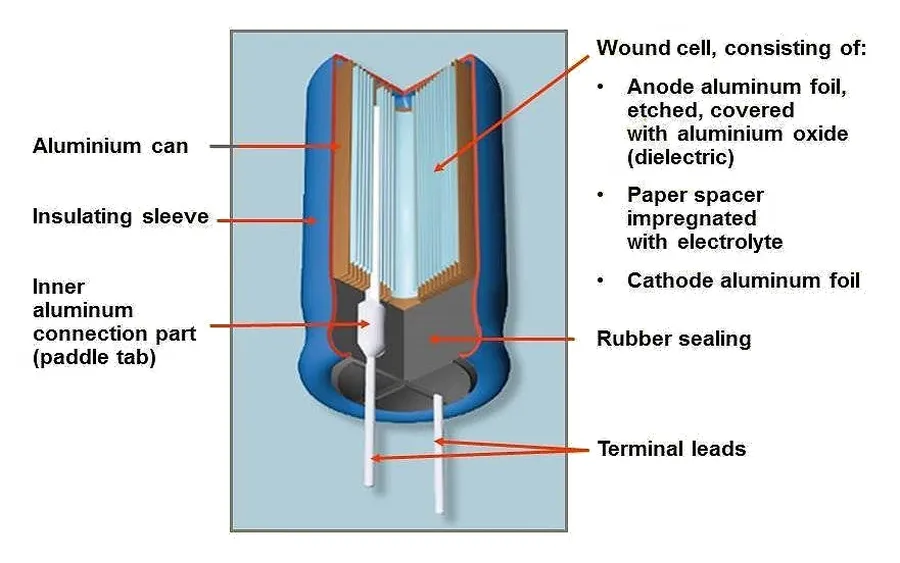
Aluminum electrolytic capacitors are composed of four key elements: the aluminum anode, the cathode, an electrolyte, and the aluminum oxide dielectric layer. The anode, typically a high-purity aluminum foil, is electrochemically etched to increase its surface area. The aluminum oxide dielectric layer, a thin insulating film, forms on the anode's surface, and this layer's thickness determines the capacitor's voltage rating. The cathode can either be a conductive electrolyte or a second aluminum foil in non-solid electrolytic capacitors. These components work in concert to store electrical charge by accumulating ions at the anode and cathode.
| Component | Material | Function |
|---|---|---|
| Anode | Aluminum Foil | Provides large surface area for charge storage |
| Electrolyte | Conductive Liquid, Gel or Solid | Facilitates ion movement between the electrodes |
| Cathode | Conductive Electrolyte or Aluminum Foil | Acts as a second electrode for charge accumulation |
| Dielectric Layer | Aluminum Oxide (Al₂O₃) | Acts as an insulator and dictates voltage rating |
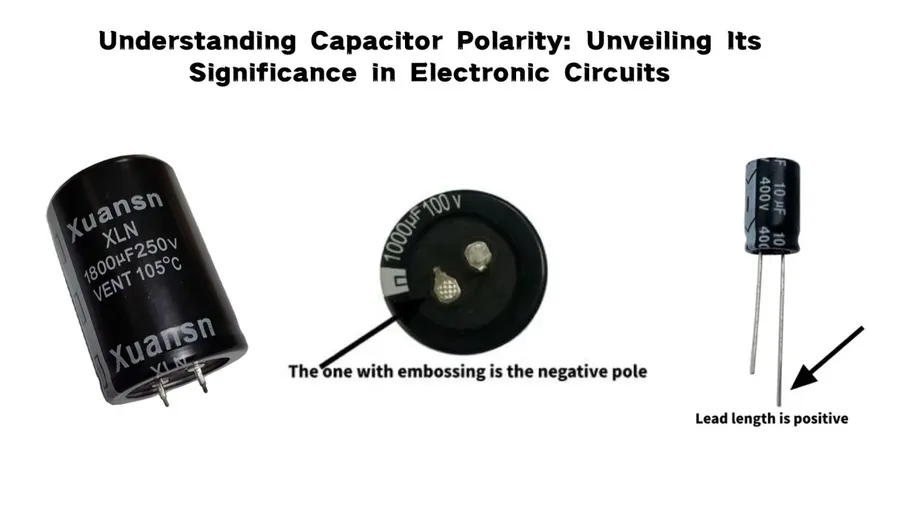
Aluminum electrolytic capacitors are inherently polarized components, meaning they have a designated positive and negative terminal, unlike some other capacitor types. This polarity is a critical characteristic stemming from their construction and is essential for their proper functioning and longevity. Understanding and adhering to this polarity during circuit integration is paramount to prevent damage and ensure optimal performance.
The polarization arises from the electrochemical formation of the aluminum oxide dielectric layer. This layer, crucial for the capacitor's operation, is formed through an electrochemical process, and reversing the voltage applied to the capacitor can disrupt this oxide layer, leading to its degradation and potential failure. The electrolyte also plays a role, it is conductive liquid or gel, which is essential to the electrolytic capacitor function, but can generate gas when reverse biased, which can cause the capacitor to bulge or explode.
Consequences of incorrect polarity connection in aluminum electrolytic capacitors can be severe. Applying a reverse voltage can cause a cascade of negative effects, these include:
To avoid these issues, several precautions must be taken during capacitor integration:
The performance and suitability of an aluminum electrolytic capacitor for a given application are largely dictated by its key electrical parameters. These parameters include capacitance, voltage rating, Equivalent Series Resistance (ESR), and ripple current, each playing a crucial role in the capacitor's function and longevity. Understanding these parameters is vital for effective capacitor selection and circuit design.
| Parameter | Description | Impact on Performance | Unit |
|---|---|---|---|
| Capacitance (C) | The ability to store an electrical charge. | Determines the amount of energy stored. Higher capacitance allows for more energy storage and better filtering capabilities. | Farads (F) |
| Voltage Rating (V) | The maximum voltage that can be safely applied across the capacitor without the risk of dielectric breakdown or damage. | Exceeding the voltage rating can lead to capacitor failure or reduced lifespan. Proper voltage rating is critical for circuit reliability. | Volts (V) |
| Equivalent Series Resistance (ESR) | The total internal resistance of the capacitor, including the resistance of the leads, electrodes, and electrolyte. | Contributes to heat generation within the capacitor during operation. Lower ESR is preferred for higher efficiency and reduced heat dissipation. | Ohms (Ω) |
| Ripple Current (I_ripple) | The alternating current component superimposed on the DC voltage that the capacitor can handle without significant degradation. | Excessive ripple current can lead to overheating and premature failure. Proper ripple current rating is necessary for long-term reliability in AC applications | Amperes (A) |
These parameters are interconnected, and selecting a capacitor involves balancing these factors to meet specific circuit requirements. For instance, higher capacitance values are beneficial for energy storage and filtering, while lower ESR improves efficiency, and the ripple current rating ensures the capacitor can handle the demands of the application without failure. A thorough review of datasheets is critical to ensure all specifications are met.
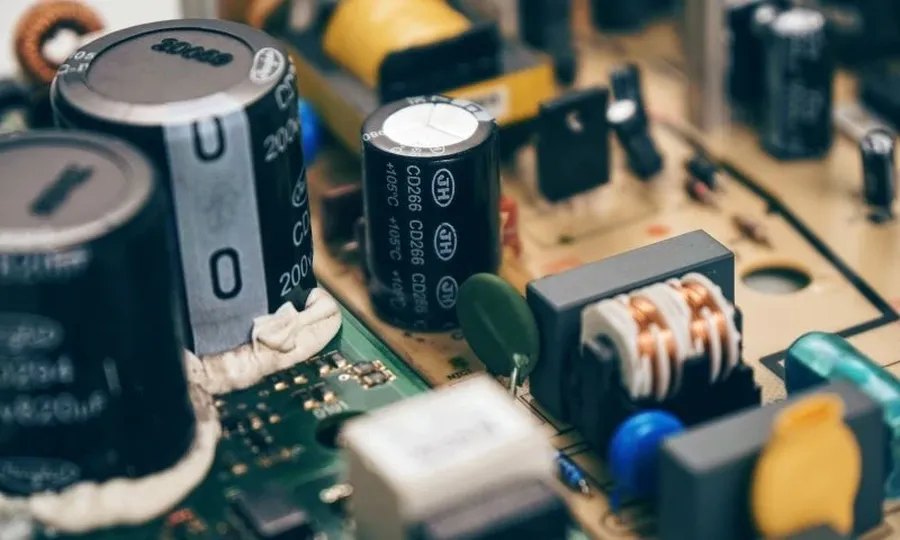
Aluminum electrolytic capacitors are ubiquitous components in modern electronics due to their high capacitance-to-volume ratio and cost-effectiveness. Their ability to store significant electrical charge in a relatively small package makes them ideal for various applications, particularly where high capacitance values are required for smoothing, filtering, and energy storage.
These capacitors are not without limitations, but their specific properties make them the preferred choice in several key sectors:
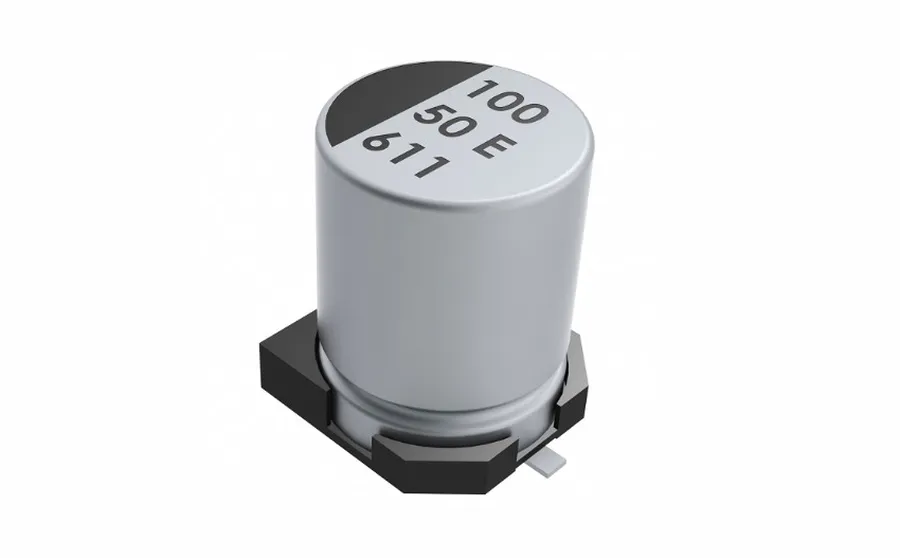
Aluminum electrolytic capacitors offer a compelling blend of high capacitance and cost-effectiveness, making them prevalent in numerous applications. However, their inherent characteristics also present certain limitations that must be considered for optimal usage. A balanced understanding of these advantages and drawbacks is crucial for informed design and component selection.
| Feature | Advantages | Limitations |
|---|---|---|
| Capacitance Density | Very high capacitance per unit volume, allowing for smaller component sizes. | Relatively larger size compared to ceramic capacitors for the same capacitance value. |
| Cost | Generally inexpensive, especially for high capacitance values. | Cost can increase for high-temperature and long-life versions. |
| ESR (Equivalent Series Resistance) | Lower ESR compared to some other electrolytic capacitor types. | Higher ESR compared to ceramic and film capacitors, leading to increased heat generation and power loss. |
| Ripple Current Handling | Good ripple current handling capability for general power applications. | Can suffer from performance degradation under high ripple current if not properly selected. |
| Polarity | Polarized nature facilitates efficient charge storage. | Strict polarity requirements; incorrect connection can lead to damage or failure. |
| Temperature Sensitivity | Function well within specified temperature ranges. | Performance degrades at extremes of temperature, with reduced capacitance and increased leakage current. |
| Lifespan | Long lifespan, particularly in well-controlled conditions and modern designs. | Electrolyte degradation over time leads to aging, dry-out and reduced lifespan, especially in harsh conditions. |
| Self-Healing | Ability to self-heal minor oxide defects via electrochemical action. | May suffer irreversible damage if subjected to excessive voltage. |
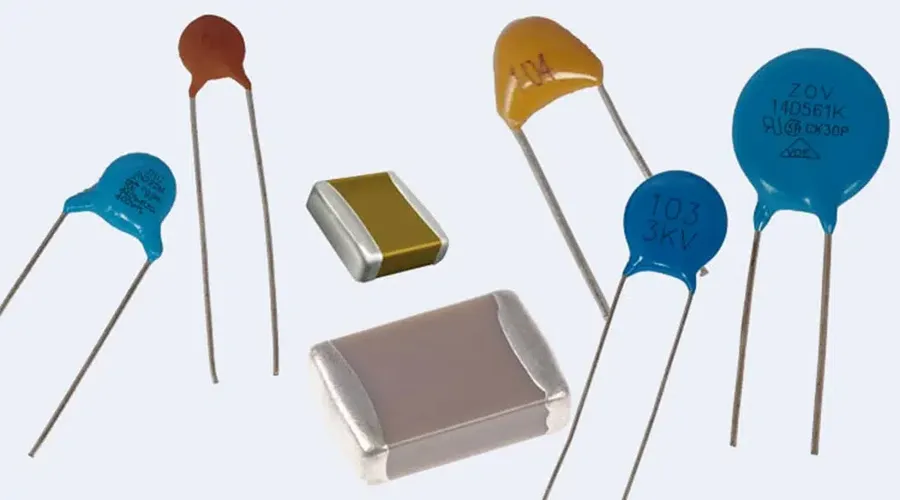
Aluminum electrolytic capacitors, while offering high capacitance, are not the sole solution for all applications. A comparative analysis with ceramic, tantalum, and film capacitors reveals their respective strengths and weaknesses, guiding engineers in selecting the optimal capacitor for specific design needs.
| Capacitor Type | Pros | Cons | Ideal Applications |
|---|---|---|---|
| Aluminum Electrolytic | High capacitance, relatively low cost, wide voltage range | Polarized, limited lifespan, temperature sensitivity, higher ESR, larger size | Power supplies, audio coupling, general purpose filtering, high energy storage |
| Ceramic | Low ESR, low ESL, non-polarized, temperature stable, small size, wide frequency range | Lower capacitance values, voltage derating issues, susceptible to piezoelectric effects, aging issue | High-frequency circuits, bypass and decoupling, precision timing, consumer electronics |
| Tantalum Electrolytic | High capacitance per volume, stable over temperature, good frequency characteristics | Polarized, sensitive to surge currents, more expensive, limited voltage range, prone to failure if overvoltaged | Portable devices, filtering, high reliability applications, where space is limited |
| Film | Low ESR, low ESL, non-polarized, high reliability, high voltage handling, high temperature stability | Larger size, higher cost, less capacitance per volume | High voltage power supplies, audio applications, precision circuits, high pulse power, filtering |
Proper storage and handling are crucial for maintaining the integrity and performance of aluminum electrolytic capacitors. These components are sensitive to environmental factors and physical stress, which can lead to degradation and premature failure if not handled correctly. Adhering to best practices ensures optimal functionality and longevity.
Incorrect storage conditions or improper handling can cause several detrimental effects on aluminum electrolytic capacitors, including:
The following are recommended storage and handling guidelines:
This section addresses common inquiries regarding aluminum electrolytic capacitors, covering lifespan, applications, and distinctions from other capacitor types. These frequently asked questions are designed to clarify key aspects for both novice and experienced users, offering concise and authoritative answers.
The aluminum electrolytic capacitor, a seemingly simple component, stands as a cornerstone of modern electronics. Its ability to store significant electrical charge in a compact form makes it indispensable across diverse applications. Understanding its characteristics, limitations, and proper handling ensures its optimal performance and longevity. As technology continues to advance, the role of aluminum electrolytic capacitors will undoubtedly remain crucial in shaping the electronic landscape, highlighting their enduring importance.

