From the hum of a ceiling fan to the complex circuitry of industrial equipment, capacitors play a vital role in modern electronics. Among these, Keltron capacitors are known for their reliability and performance. This article will delve into the world of Keltron capacitors, explaining their various types, applications, and how to choose the right one for your project, bridging the gap between everyday use and technical expertise.
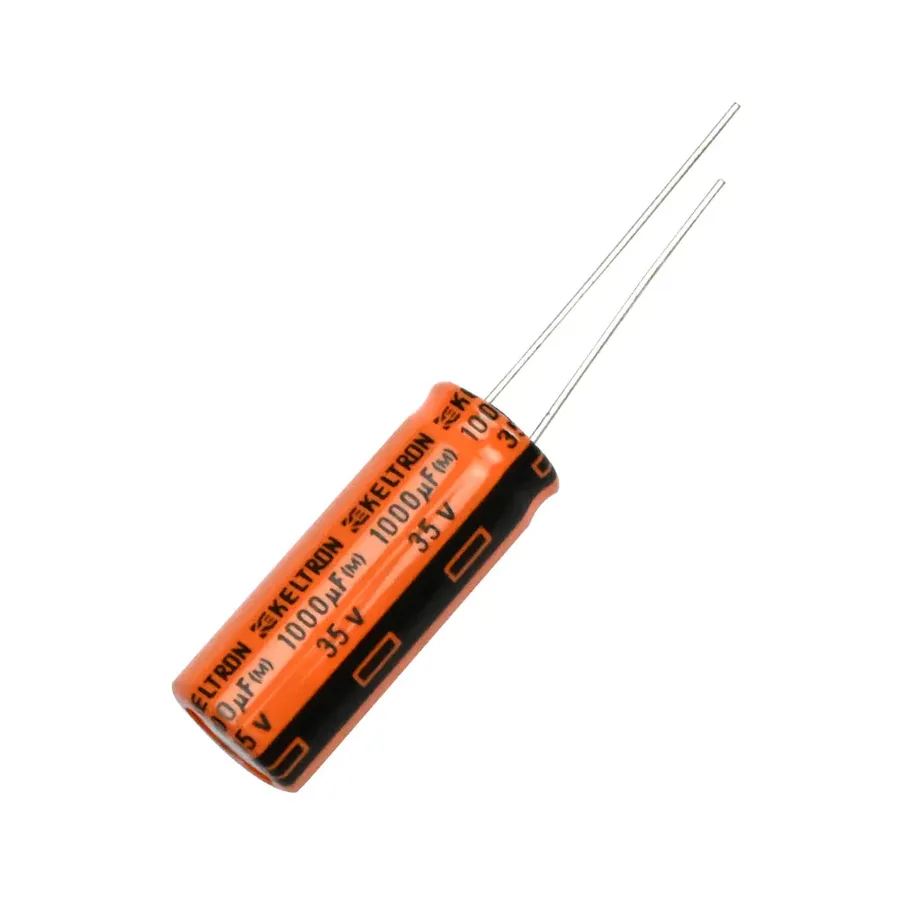
Keltron capacitors, manufactured by Keltron, an Indian state-owned electronics company, are integral components in various electronic circuits. Known for their reliability and cost-effectiveness, Keltron capacitors have established a strong reputation in the Indian market and are used across a wide range of applications. This section explores their origins, manufacturing processes, and standing within the electronics industry.
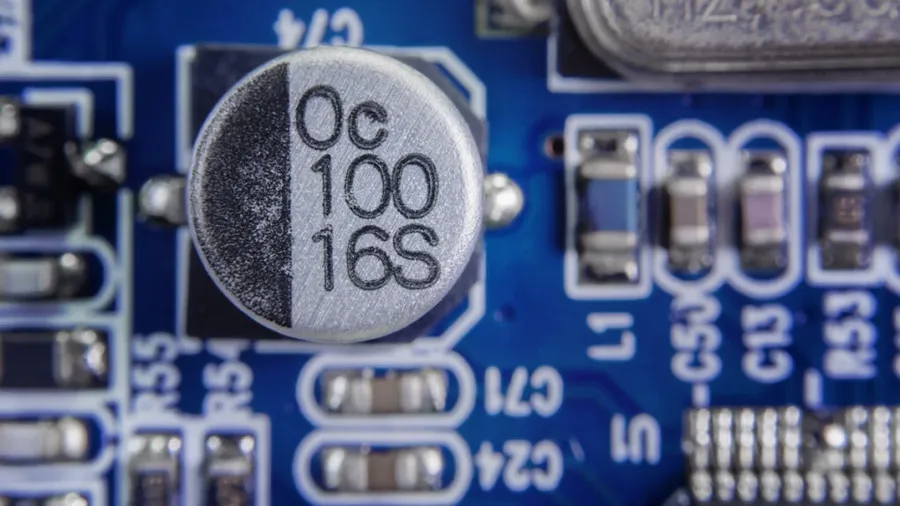
Keltron manufactures a range of capacitors, with electrolytic capacitors forming a significant portion of their product portfolio, though they also produce film and ceramic capacitors. Each type is suited for specific applications based on their unique electrical characteristics and construction.
| Capacitor Type | Construction | Key Characteristics | Typical Applications | Keltron Focus |
|---|---|---|---|---|
| Electrolytic | Anode, cathode, electrolyte, and separator materials | High capacitance, polarized, limited frequency response, sensitive to temperature and polarity. | Power supply filtering, decoupling, smoothing | Primary focus |
| Ceramic | Ceramic dielectric material | Small size, non-polarized, low ESR, good frequency response, lower capacitance compared to electrolytics | High-frequency filtering, bypass, coupling, signal processing | Produced by Keltron, but not the primary focus |
| Film | Thin plastic film dielectric | Non-polarized, high insulation resistance, good stability, lower capacitance compared to electrolytics, suitable for high-voltage applications. | Audio circuits, power supplies, high-frequency applications. | Produced by Keltron, but not the primary focus |
While Keltron produces ceramic and film capacitors, their electrolytic capacitors are the most common, and include both radial and axial leads. Electrolytic capacitors are particularly relevant due to their capacity to store large amounts of charge in a relatively small physical space. The following sections will expand on these various types, particularly focusing on the features of Keltron's electrolytic offerings, including their specifications and application uses.
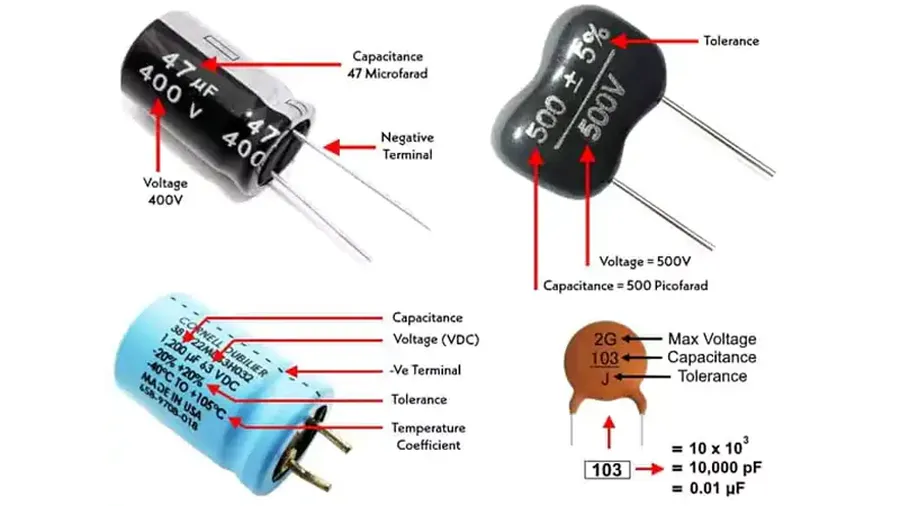
Understanding the core specifications of Keltron capacitors—voltage rating, capacitance, and tolerance—is crucial for selecting the correct component for any electronic circuit. These parameters directly influence a capacitor's performance and reliability within a given application.
| Specification | Description | Typical Values in Keltron Capacitors | Impact on Circuit Performance |
|---|---|---|---|
| Voltage Rating | The maximum voltage that can be safely applied across the capacitor without risk of dielectric breakdown or damage. | 25V, 50V, 63V, 100V, 400V etc.. | Exceeding the voltage rating can cause failure, reduced lifespan, or even catastrophic damage to the capacitor and circuit. |
| Capacitance | The ability of the capacitor to store an electrical charge, measured in Farads (F), commonly microfarads (µF) or picofarads (pF). | 4.7uF, 10uF, 100uF, 220uF, 470uF, 1000uF, 10000uF etc.. | Affects the capacitor's ability to store energy, impacting timing circuits, filtering effectiveness, and power delivery capabilities. |
| Tolerance | The allowable deviation of the actual capacitance value from its stated nominal value, expressed as a percentage. | ±10%, ±20%, ±5% etc.. | Indicates the precision of the capacitor's value. High tolerance can impact timing and tuning of critical circuits. |
Selecting the correct specifications for Keltron capacitors is not arbitrary. It must precisely match the requirements of the circuit. Insufficient voltage rating will lead to premature failure, while mismatched capacitance may cause unpredictable circuit behavior. Consider temperature rating as well, which influences the operational life of capacitors. These factors must be carefully considered for optimal circuit performance.
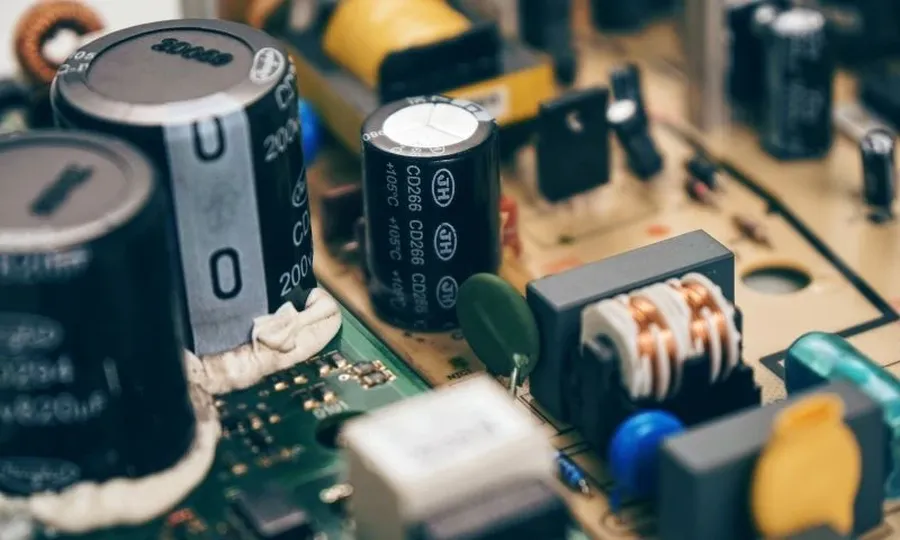
Keltron capacitors are integral components in a wide array of electronic applications, primarily due to their reliable performance in energy storage and filtering. Their versatility makes them suitable for both consumer and industrial electronics, where they play key roles in ensuring the stable operation of various devices.
The following provides a detailed look at some common applications, primarily focusing on electrolytic capacitors, which are a prevalent type in Keltron's offerings.
| Application | Specific Use Cases | Key Function | Keltron Capacitor Type |
|---|---|---|---|
| Motor Starting | Ceiling Fans, Air Conditioners, Industrial Motors | Provides phase shift for motor startup | Electrolytic (typically motor start capacitors) |
| Power Supply Filtering | Computers, Adapters, Power Circuits | Reduces ripple voltage and ensures stable DC output | Electrolytic (high capacitance, low ESR) |
| Signal Coupling/Decoupling | Audio Equipment, Communication Devices, Analog Circuits | Couples AC signals and blocks DC, reduces noise | Electrolytic, Film Capacitors |
| Energy Storage | Camera flashes, Specialized Equipment | Provides short term energy storage | Electrolytic |
| Timing Circuits | Timers, Control Circuits | Creates delays and time constants | Various (depending on timing needs) |
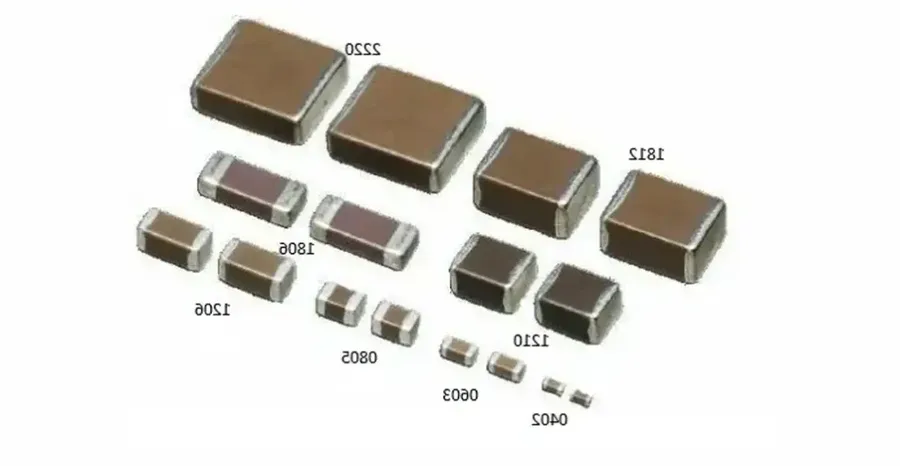
Selecting the appropriate Keltron capacitor is crucial for optimal circuit performance and reliability. This requires a careful consideration of several key parameters, including voltage, capacitance, temperature, size, and the specific application requirements. An informed selection ensures compatibility and longevity, preventing premature component failure and maintaining the desired operational characteristics of the electronic device.
| Parameter | Description | Importance in Selection |
|---|---|---|
| Voltage Rating | The maximum DC voltage that the capacitor can safely withstand without damage. | Must be higher than the maximum voltage expected in the circuit to prevent breakdown and ensure reliability. |
| Capacitance | The capacitor's ability to store electrical charge, measured in Farads (F), often microfarads (uF) for Keltron capacitors. | Must match the circuit's requirements for proper operation; too low or too high can lead to malfunction. |
| Temperature Range | The range of ambient temperatures at which the capacitor can operate reliably. | Crucial for devices operating in extreme environments; inappropriate range can cause premature failure or performance degradation. |
| Size and Package Type | Physical dimensions and configuration of the capacitor, e.g., radial, surface mount. | Must fit within the available space on the PCB and compatible with the mounting technology used. |
| Application Requirements | The intended use of the capacitor, such as filtering, coupling or motor starting. | Different applications place specific demands on capacitor properties and performance. |
| Tolerance | The acceptable deviation from the specified capacitance value. | Impacts the precision of the circuit; tighter tolerance is needed for critical applications. Common tolerances are ±20%, ±10% or ±5%. |
To ensure compatibility, carefully evaluate the circuit's voltage and current requirements to select a capacitor with an appropriate voltage rating and capacitance. Consider the operating temperature of the environment where the electronic device will be used, choosing a capacitor with a suitable temperature range to ensure optimal performance. Finally, confirm the physical dimensions of the capacitor match the available space on the printed circuit board and is compatible with through-hole or surface mounting technologies. Selecting based on the specific application ensures optimal performance, for example, motor start capacitors have specific AC voltage ratings and are different from DC filtering capacitors.
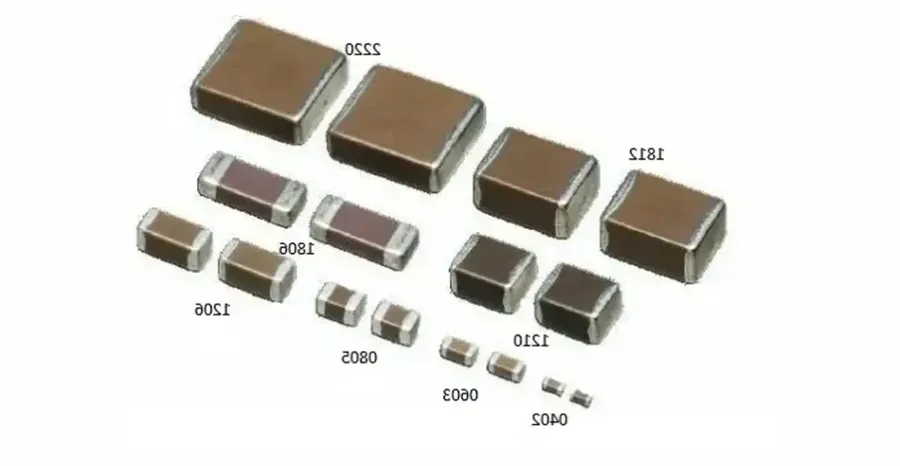
Keltron capacitors are manufactured in a variety of physical dimensions and package styles to meet diverse application requirements, impacting both PCB assembly and overall electronic design. Understanding these variations is crucial for selecting the correct component for a given project.
| Dimension (Diameter x Height, mm) | Package Type | Typical Applications | Mounting Style |
|---|---|---|---|
| 5 x 11 | Radial | Low-power circuits, signal coupling | Through-hole |
| 6.3 x 11 | Radial | General purpose filtering, decoupling | Through-hole |
| 8 x 11.5 | Radial | General purpose filtering, decoupling | Through-hole |
| 8 x 12.5 | Radial | Power supply filtering, mid-range applications | Through-hole |
| 10 x 16 | Radial | Motor starting circuits, power applications | Through-hole |
| 10 x 20 | Radial | Motor starting circuits, power applications | Through-hole |
| 10 x 25 | Radial | High-power filtering, heavy-duty applications | Through-hole |
| Various | Surface Mount (SMD) | Compact electronic devices, high-density PCBs | Surface mount |
The dimensions listed above (e.g., 5x11mm, 8x12.5mm, 10x25mm) refer to the diameter and height of the cylindrical body of radial lead capacitors. In addition to radial lead types, Keltron also offers surface-mount capacitors, which do not have leads, allowing for direct mounting to the PCB surface. The choice between radial and surface mount capacitors impacts not only the physical dimensions, but also the ease of automated assembly and the overall design of the electronic device.
Radial lead capacitors are characterized by their leads emerging from the same side of the capacitor, whereas surface mount capacitors have terminals designed for direct soldering onto surface pads on the PCB. This difference dictates the mounting techniques and the layout considerations for printed circuit board designs. When selecting a capacitor, consider the dimensional constraints of the housing and ensure that the component will physically fit, and consider the performance characteristics of the application for both radial and surface mount options.
This section addresses common questions regarding Keltron capacitors, providing clarity on their performance, reliability, and usage. It aims to offer practical insights for both new and experienced users of these components.
Acquiring Keltron capacitors involves navigating various channels, each with distinct price points and availability. Understanding these options and their nuances is key to making informed purchasing decisions. This section will guide you through reliable sources and provide insight into pricing factors, including locating datasheets and price lists.
Keltron capacitors can be purchased through several channels, including authorized distributors, online marketplaces, and directly from the manufacturer, depending on volume requirements.
Prices for Keltron capacitors vary based on several factors. Understanding these can help you optimize your purchasing decisions. Key factors influencing price are:
To effectively plan a purchase of Keltron capacitors, it is important to have access to price lists and datasheets. These provide essential information.
Maintaining and troubleshooting Keltron capacitors effectively ensures the longevity and reliability of electronic circuits. Proper handling, usage within specified limits, and systematic testing are key to preventing premature failure and identifying issues.
In conclusion, Keltron capacitors are a reliable choice for various electronic applications, offering a range of options from electrolytic to other types. By understanding their specifications, applications, and selection process, you can ensure optimal performance in your circuits. This guide has provided you with a comprehensive overview of Keltron capacitors, empowering you to make informed decisions for your projects and highlighting the importance of these components in modern technology.

