Capacitors are fundamental components in modern electronics, storing electrical energy and playing a critical role in filtering, smoothing, and timing circuits. KEMET, a leading manufacturer, offers a wide array of capacitor technologies to meet various industry needs. This article provides an in-depth look at KEMET capacitors, exploring their diverse types, common applications, and crucial factors for effective selection, ensuring you harness the power of these essential electronic building blocks effectively.
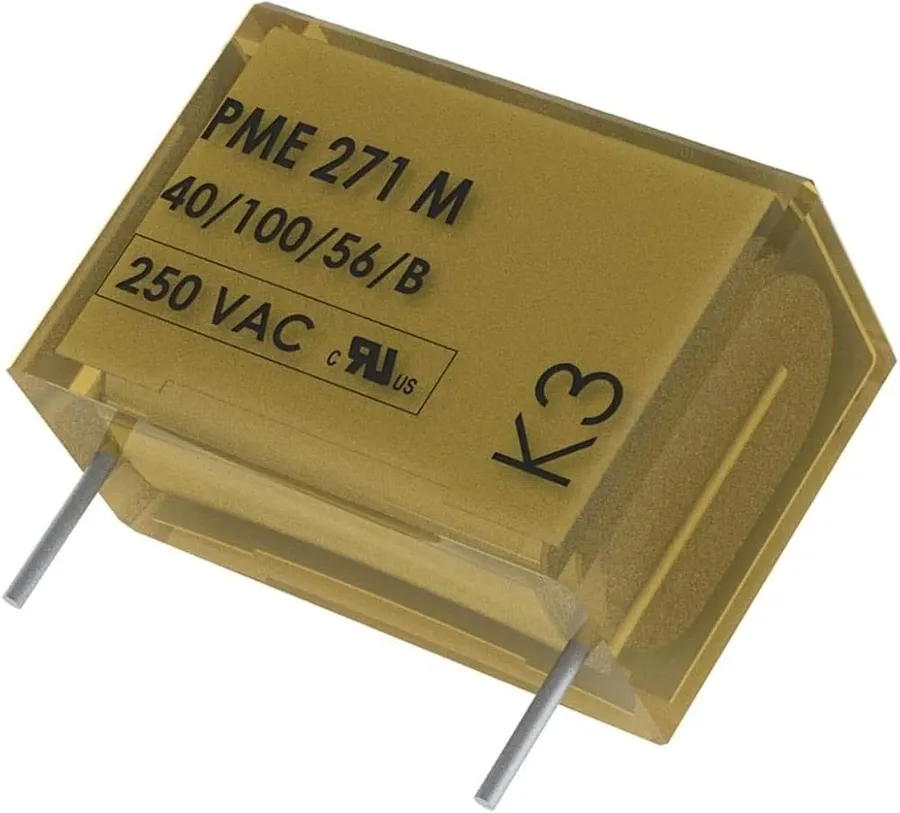
KEMET offers a diverse portfolio of capacitors, each engineered to meet specific application demands. These include ceramic, tantalum, film, electrolytic, and supercapacitors, each distinguished by their unique characteristics in terms of capacitance, voltage, temperature stability, and equivalent series resistance (ESR). Understanding these differences is crucial for selecting the optimal capacitor for a given design.
| Capacitor Type | Capacitance Range | Voltage Rating | Temperature Stability | ESR Characteristics | Typical Applications |
|---|---|---|---|---|---|
| Ceramic | pF to µF | Few volts to kV | Good to Excellent (depending on dielectric) | Low | High-frequency circuits, decoupling |
| Tantalum | µF to Hundreds of µF | Few volts to ~100V | Moderate | Low | Power supply filtering, high-density applications |
| Film | nF to µF | Tens of Volts to kV | Excellent | Low | Power electronics, audio circuits, high-precision applications |
| Electrolytic (Aluminum) | µF to F | Few Volts to Hundreds of volts | Moderate | Moderate to High | Power supply filtering, bulk energy storage |
| Electrolytic (Polymer) | µF to mF | Few Volts to 100V | Moderate | Low | Power supply filtering, high frequency applications |
| Supercapacitors | F to kF | Few volts | Moderate | Moderate | Backup power, energy harvesting, pulse power applications |
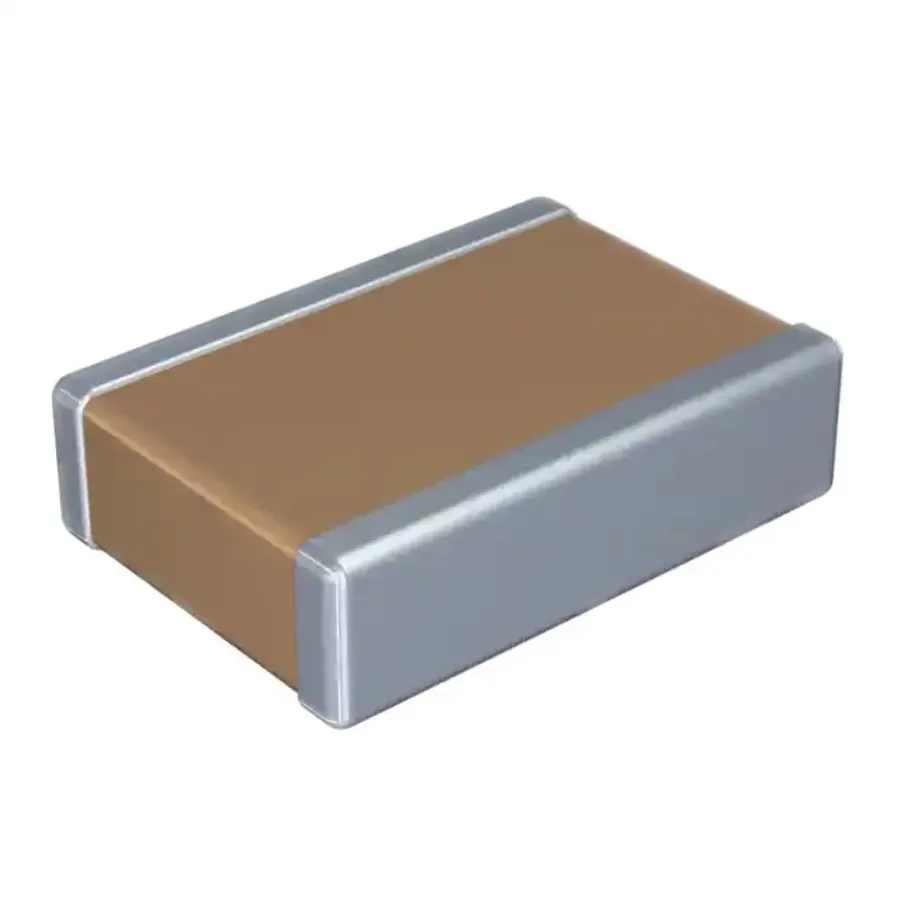
KEMET's ceramic capacitors are a cornerstone of modern electronics, renowned for their stability and performance, particularly in high-frequency applications. They are available in a variety of dielectric materials, each with unique electrical properties that determine their suitability for specific uses. Understanding these dielectrics, such as NP0/C0G, X7R, X5R, and Y5V, is crucial for effective component selection.
Here's a breakdown of common KEMET ceramic capacitor dielectrics:
| Dielectric | Temperature Coefficient | Capacitance Stability | Typical Applications |
|---|---|---|---|
| NP0/C0G | ±30 ppm/°C | Very High | High-frequency circuits, precision timing, and filtering applications where minimal capacitance variation with temperature is critical. |
| X7R | ±15% from -55°C to +125°C | Good | General-purpose applications, bypass and decoupling in industrial and automotive applications with moderate temperature ranges. |
| X5R | ±15% from -55°C to +85°C | Good | Similar to X7R, suitable for applications with slightly less stringent temperature requirements, offering good performance-to-cost ratios. |
| Y5V | +22%/-82% from -30°C to +85°C | Poor | General purpose decoupling and filtering in less critical applications where cost is a major concern and large capacitance changes are acceptable. |
When selecting a KEMET ceramic capacitor, it's essential to consider not only the dielectric material but also the temperature and voltage coefficients of capacitance. These parameters define how much the capacitor's capacitance will change due to variations in temperature and applied voltage, respectively. These effects can be significant, especially in precision or high-frequency circuits.
KEMET provides detailed datasheets that specify these parameters. Careful analysis of these documents is key to ensuring that the selected capacitor performs reliably within the intended operational conditions. The datasheets will also outline any expected change in capacitance due to voltage, which is also crucial to understand.
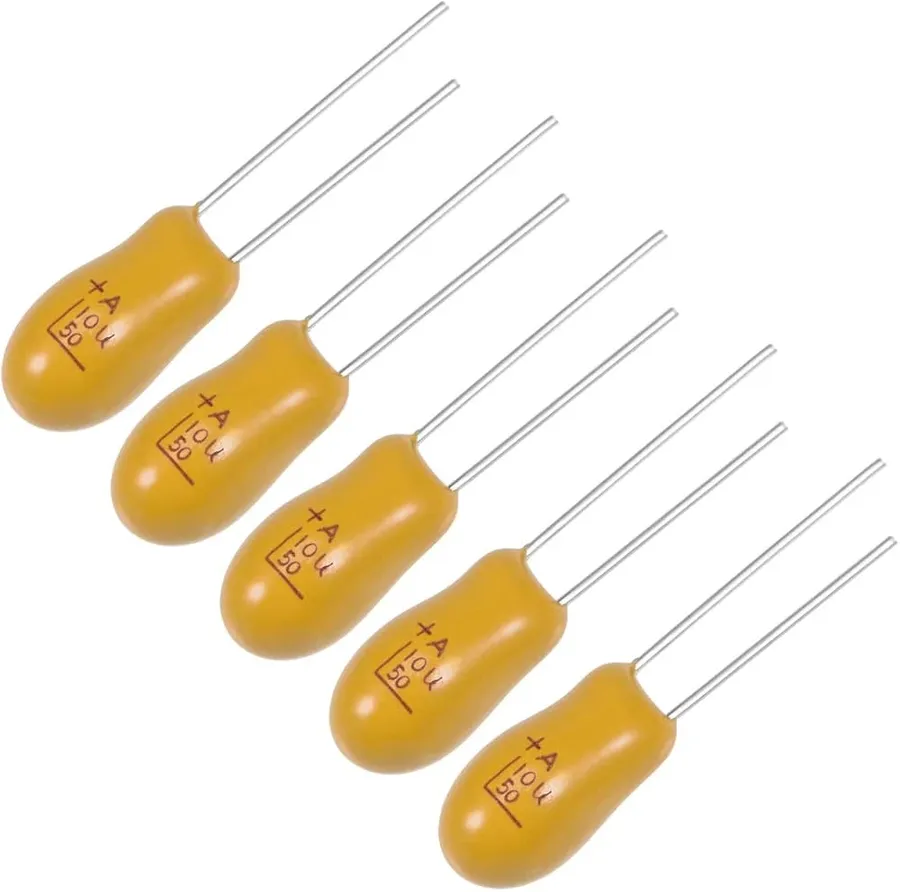
KEMET's tantalum capacitors are renowned for their exceptional volumetric efficiency, providing high capacitance within a compact footprint, and their low Equivalent Series Resistance (ESR), making them suitable for demanding applications. These capacitors are particularly beneficial in designs requiring stable performance under varying conditions, though understanding their failure modes and proper usage is critical for ensuring reliability.
| Feature | Solid Tantalum Capacitors | Polymer Tantalum Capacitors |
|---|---|---|
| Electrolyte | Manganese Dioxide (MnO2) | Conductive Polymer |
| ESR | Moderate to low | Very low |
| Capacitance Density | High | High |
| Reliability | Good | Excellent |
| Failure Mode | Short-circuit under high stress | More benign failure mode |
| Cost | Generally lower | Generally higher |
| Temperature Stability | Good | Excellent |
| Applications | General purpose, power decoupling | High-frequency, high reliability applications |
Tantalum capacitors are not without their limitations. Traditional solid tantalum capacitors using manganese dioxide (MnO2) as the electrolyte can fail catastrophically if overstressed by excessive voltage, current, or temperature, often leading to a short circuit. Polymer tantalum capacitors, however, mitigate these risks due to the more benign failure mode of their conductive polymer electrolyte. KEMET provides guidelines and datasheets with specifications on recommended derating and usage conditions to prevent failure modes. When selecting tantalum capacitors, designers must consider not only the electrical specifications but also the environmental conditions and potential stress levels of the application, with particular attention to voltage derating which is crucial to ensure reliability. The choice between solid and polymer tantalum capacitors often depends on the specific application requirements, with polymer capacitors being favored in high-reliability, low-ESR, and high-frequency applications, despite their generally higher cost.
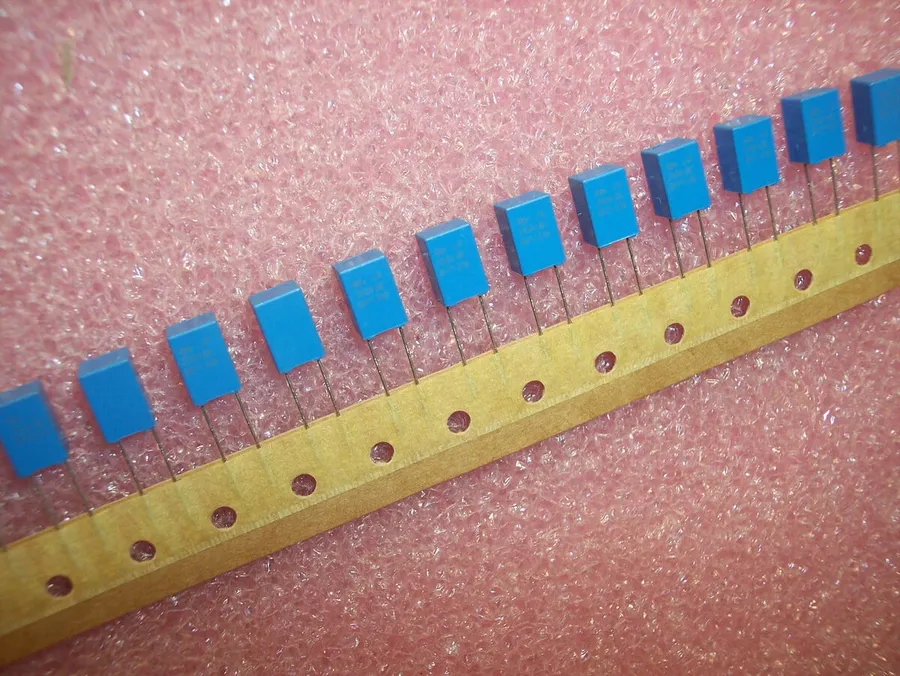
KEMET's film capacitors are engineered for applications demanding high precision, stability, and reliability. These capacitors, distinguished by their construction using thin layers of dielectric film, offer superior performance in terms of capacitance stability, low losses, and high voltage handling capabilities. KEMET provides a diverse range of film capacitors, utilizing various materials, each tailored for specific application requirements, including power electronics, audio circuits, and high-frequency systems.
| Characteristic | Polyester (PET) | Polypropylene (PP) | Polyphenylene Sulfide (PPS) |
|---|---|---|---|
| Capacitance Range | Medium | Medium | Medium to High |
| Voltage Rating | Medium | High | High |
| Temperature Stability | Good | Excellent | Excellent |
| Loss Tangent (tan δ) | Medium | Low | Low |
| Applications | General purpose, Coupling, Decoupling | High frequency, Audio, Power Electronics | High temperature, High frequency, High precision |
| Cost | Low to medium | Medium to high | Medium to high |
KEMET's film capacitors are available in various configurations, including radial-leaded, axial-leaded, and surface-mount packages, accommodating diverse mounting requirements. The selection of film material depends on the application's specific needs; polyester is suitable for general-purpose applications, polypropylene excels in high-frequency applications due to its low losses, and PPS is the choice for high-temperature and precision applications.
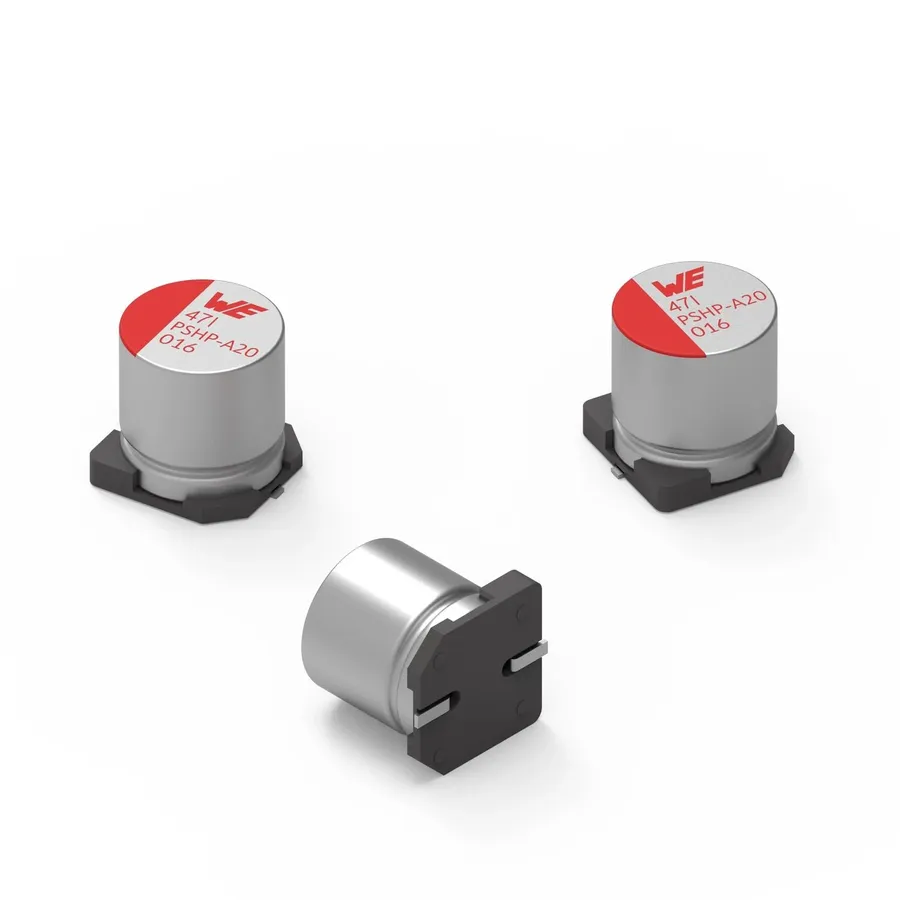
KEMET provides a comprehensive range of electrolytic capacitors, encompassing both aluminum and polymer varieties, which are distinguished by their high capacitance values, making them ideal for applications such as power supply filtering and decoupling. These capacitors are crucial components in electronic circuits where effective energy storage and noise reduction are required.
| Feature | Aluminum Electrolytic Capacitors | Polymer Electrolytic Capacitors |
|---|---|---|
| Capacitance Range | High, typically from microfarads (µF) to farads (F) | Moderate to high, lower than aluminum, but still significant |
| ESR (Equivalent Series Resistance) | Moderate to high | Lower, which results in improved ripple current handling and reduced heat generation |
| Lifespan | Temperature and load-dependent, can degrade over time due to electrolyte evaporation | Longer, more stable over temperature changes, less prone to drying out |
| Temperature Stability | Performance decreases at very low and very high temperatures. | More stable over a wider temperature range |
| Cost | Generally lower cost | Higher cost, due to advanced materials and manufacturing. |
| Applications | General purpose applications, power supply filtering, decoupling. | Demanding applications requiring high reliability, low ESR and higher performance (e.g., servers, automotive). |
Key considerations for using KEMET electrolytic capacitors include the operating temperature and desired lifespan. Aluminum electrolytic capacitors, while cost-effective, have a finite lifespan that is influenced by temperature and the operating voltage/ripple current. Polymer capacitors offer improved performance with better stability over temperature ranges and prolonged lifespan, though they typically cost more. Selecting the right type depends on a design’s electrical and thermal demands and the target performance.
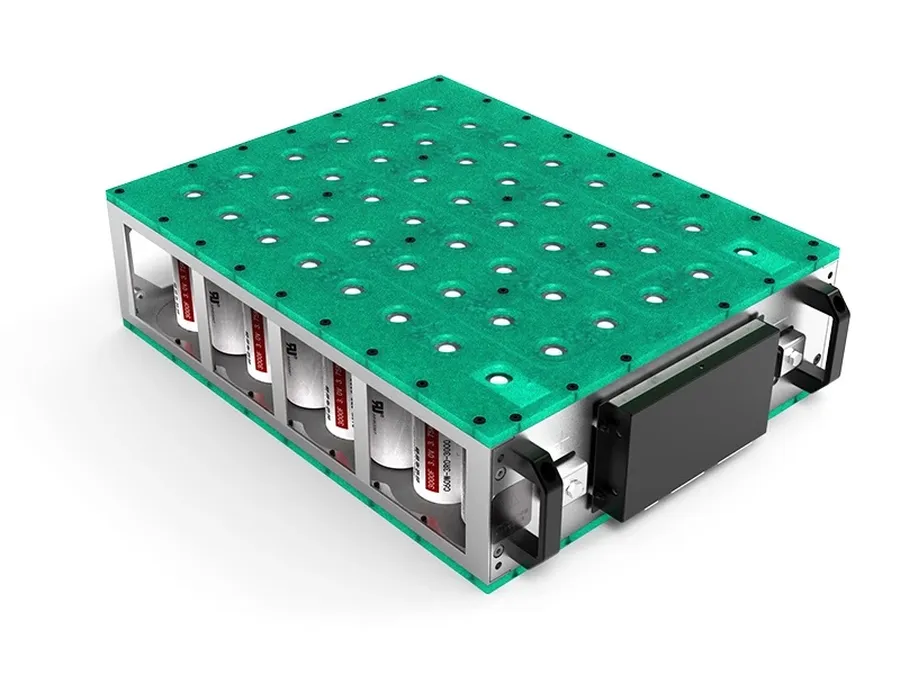
KEMET's supercapacitors, also known as ultracapacitors or Electric Double-Layer Capacitors (EDLCs), bridge the gap between traditional capacitors and batteries. They offer a high energy storage capacity compared to standard capacitors, enabling them to deliver substantial power bursts for a wide range of applications. These devices excel in scenarios demanding rapid charge and discharge cycles, positioning them as a valuable solution for energy storage.
Supercapacitors distinguish themselves from traditional capacitors primarily through their unique structure. They utilize a double-layer of charge accumulation at the electrode-electrolyte interface. This mechanism allows them to store significantly more energy within a compact size. Moreover, the absence of chemical conversion during charging and discharging results in much longer operational lifespans and extremely high charge/discharge cycle efficiency.
| Feature | Supercapacitors | Traditional Capacitors | Batteries |
|---|---|---|---|
| Energy Density | Medium | Low | High |
| Power Density | High | Low | Low |
| Charge/Discharge Cycles | Very High | High | Low |
| Charging Time | Very Fast | Fast | Slow |
| Lifespan | Long | Medium | Medium to Short |
KEMET's supercapacitors are not only applicable as a standalone energy source but are often paired with batteries in hybrid systems. This combination enables the system to leverage the strengths of both technologies, with supercapacitors handling peak power demands and batteries providing sustained energy. This approach results in enhanced system performance and extended overall operational life.
KEMET's supercapacitors find applications in various sectors, including:
Selecting the correct capacitor for a specific application is crucial for optimal circuit performance and reliability. This guide focuses on key parameters that must be considered when choosing a KEMET capacitor, ensuring that the selected component meets all operational demands.
| Parameter | Description | Impact on Performance | Units |
|---|---|---|---|
| Capacitance | The ability of a capacitor to store electrical charge. | Determines the amount of energy that can be stored and the impedance at different frequencies. Crucial for filtering, decoupling, and timing circuits. | Farads (F), often expressed in microfarads (µF), nanofarads (nF), or picofarads (pF) |
| Voltage Rating | The maximum voltage that can be continuously applied across the capacitor without risk of damage or failure. | Exceeding the voltage rating can lead to dielectric breakdown and catastrophic failure. The applied voltage should always be less than the rated voltage. | Volts (V) |
| Tolerance | The acceptable variation in the actual capacitance value from the nominal (specified) value. | Affects the accuracy and precision of the circuits. Tighter tolerances are required for applications where precise timing or filtering is critical. | Percentage (%) |
| Operating Temperature Range | The range of ambient temperatures within which the capacitor will operate within its specifications. | Capacitance, ESR, and lifespan can vary outside of the specified operating temperature range. Temperature derating must be considered for high-temperature applications. | Degrees Celsius (°C) |
| Equivalent Series Resistance (ESR) | The internal resistance of the capacitor which is a result of the materials and the structure of the capacitor. | Affects the amount of heat generated by the capacitor, as well as its ability to handle ripple currents. Lower ESR capacitors are often preferred in power electronics. | Ohms (Ω) |
| Size Constraints | The physical dimensions of the capacitor which are often dictated by the available space and desired performance in the application | Package selection impacts the physical integration and density of components in the circuit. Small package sizes may have performance tradeoffs. | Various physical dimensions such as length, width, height (mm, inches) |
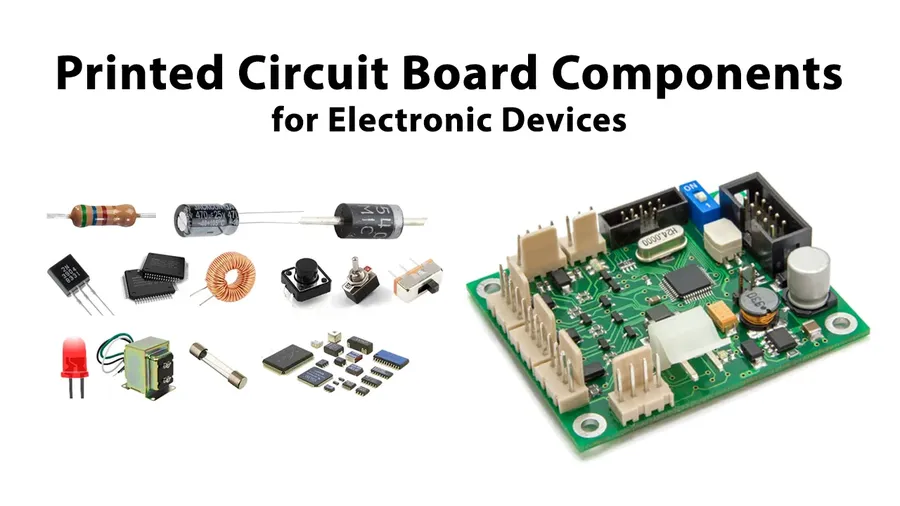
KEMET capacitors are integral components across a wide array of industries, each with unique demands for performance and reliability. Their versatility stems from the diverse range of capacitor types offered, allowing engineers to select the most appropriate component for specific applications. This section will explore the use of KEMET capacitors within automotive, industrial, telecommunications, aerospace, and consumer electronics sectors, providing concrete examples of their application and highlighting industry-specific selection criteria.
| Industry | Application Examples | Specific KEMET Capacitor Types | Key Selection Criteria |
|---|---|---|---|
| Automotive | Engine control units (ECUs), infotainment systems, advanced driver-assistance systems (ADAS), power management circuits, LED lighting | Ceramic (MLCCs), tantalum, film, electrolytic (polymer) | High reliability, AEC-Q200 qualification, wide temperature range, high vibration resistance, long lifespan |
| Industrial | Power supplies, motor drives, automation equipment, renewable energy systems (solar inverters, wind turbines), industrial control panels | Electrolytic, film, ceramic, supercapacitors | High voltage capability, high current handling, robust construction, extended temperature range, reliability under harsh environmental conditions |
| Telecommunications | Base stations, networking equipment, routers, switches, mobile devices, RF circuits | MLCCs (NP0/C0G), low ESR tantalum, film capacitors | Low loss, high-frequency performance, small size, stable temperature characteristics, low noise |
| Aerospace | Avionics systems, satellite power supplies, radar systems, aircraft control units, onboard communication systems | High reliability ceramic, tantalum (space-grade), film capacitors | Extreme reliability, high temperature stability, radiation resistance, compact size, performance under vibration and shock |
| Consumer Electronics | Smartphones, laptops, tablets, wearable devices, audio equipment, gaming consoles, digital cameras | MLCCs (X5R, X7R), electrolytic (polymer), film capacitors | Small size, low cost, reliable performance, low profile, low power consumption |
This section addresses common inquiries regarding KEMET capacitors, encompassing their reliability, comparisons with other brands, identification of counterfeit products, and appropriate usage across various applications. Understanding these aspects is crucial for selecting the right components for your electronic designs.
KEMET capacitors are crucial components in a wide variety of electronic applications. This guide has covered the various types of capacitors KEMET offers, from the precision of ceramic capacitors to the high energy storage capabilities of supercapacitors. Understanding their unique characteristics, applications, and selection criteria is crucial for engineers and designers aiming for reliable and effective electronic solutions. The selection of the appropriate KEMET capacitor can lead to high-performance, reliable electronic systems, and continuous innovation in electronics would not be possible without KEMET and other leading capacitor manufacturers.

