In our increasingly interconnected world, electronics assembly plays a vital role in creating the devices that power our lives. From smartphones to medical equipment, the careful integration of electronic components is at the heart of modern technology. This article dives deep into the intricacies of electronics assembly, exploring the essential steps, various techniques, and future trends. Join us as we unlock the secrets of this complex yet fascinating field.
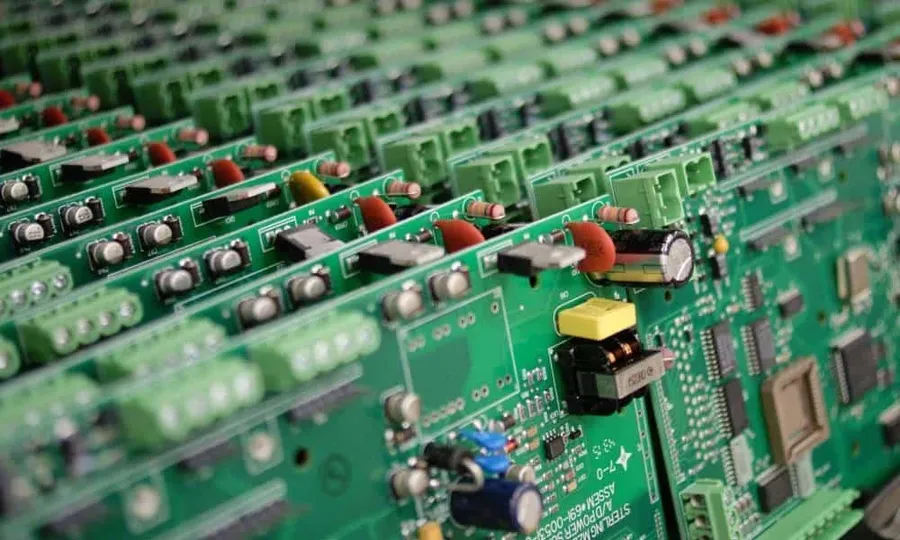
Electronics assembly is the meticulous process of combining various electronic components onto a printed circuit board (PCB) to create a functional electronic device or subassembly. This process is not merely about physical attachment; it encompasses precise component placement, secure soldering, and rigorous testing to ensure the final product meets stringent performance and reliability standards. It forms a crucial step in the manufacturing of virtually every electronic product, from smartphones to sophisticated medical equipment.
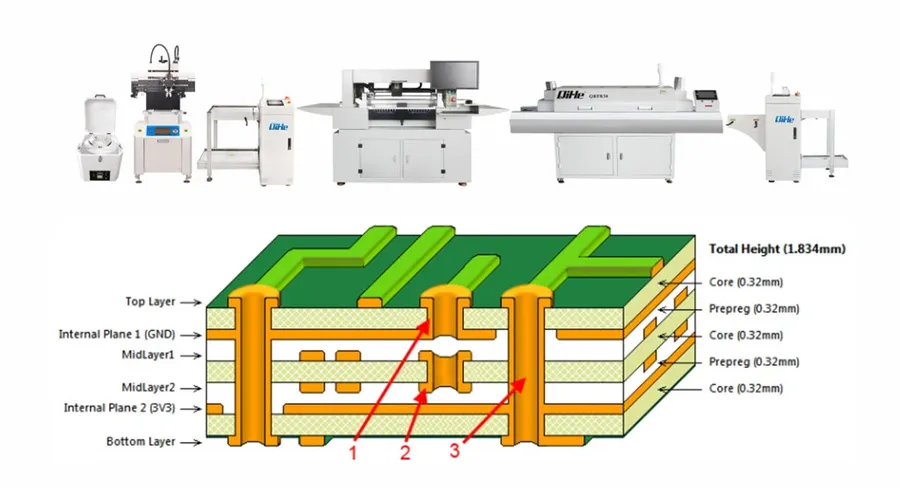
The electronics assembly process is a meticulously orchestrated series of steps, each critical for producing reliable and functional electronic devices. It encompasses a range of activities from preparing individual components to the final testing and verification of the assembled product.
Below is a breakdown of the core stages involved in this process:
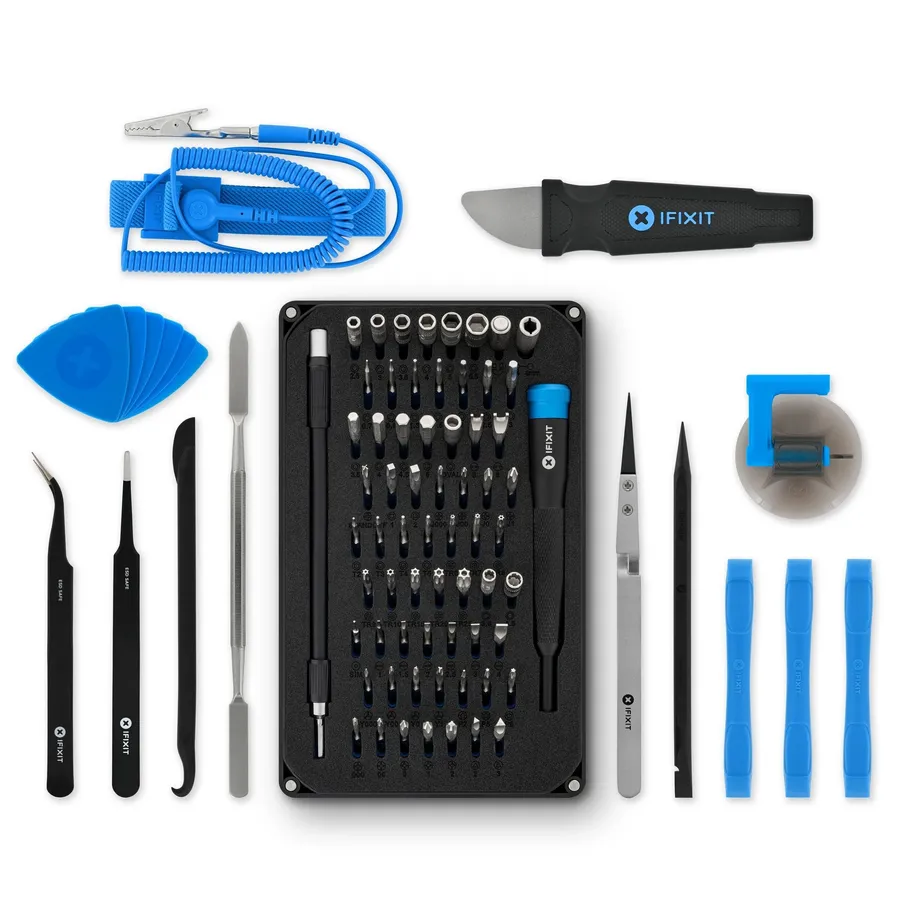
Successful electronics assembly hinges on the correct selection and application of materials and tools. This section details the essential components and equipment required for precise and reliable assembly work, crucial for producing functional and high-quality electronic devices.
| Material/Tool Category | Specific Item | Purpose/Application |
|---|---|---|
| Circuit Boards | Printed Circuit Boards (PCBs) | Provides the foundation for mounting and connecting electronic components. |
| Components | Resistors, Capacitors, Inductors, Diodes, Transistors, ICs | The active and passive elements that perform specific functions within the circuit. |
| Solder | Lead-based solder, lead-free solder | Used to create electrical and mechanical bonds between components and the PCB. |
| Adhesives | Conductive adhesives, non-conductive adhesives | Secures components to the PCB and provides electrical connection in certain cases. |
| Soldering Tools | Soldering irons, soldering stations, reflow ovens | Essential for creating reliable solder joints, varies depending on the scale and method of assembly. |
| Placement Machines | Pick-and-place machines | Automated systems for precisely placing surface mount components on the PCB. |
| Inspection Equipment | Microscopes, AOI systems, X-ray inspection | Used to verify the quality of solder joints and component placement, and to identify defects. |
| Hand Tools | Tweezers, pliers, wire strippers | Fundamental for manual assembly and rework tasks. |
| ESD Equipment | Anti-static mats, wrist straps, grounding cords | Prevents damage to sensitive components from electrostatic discharge. |
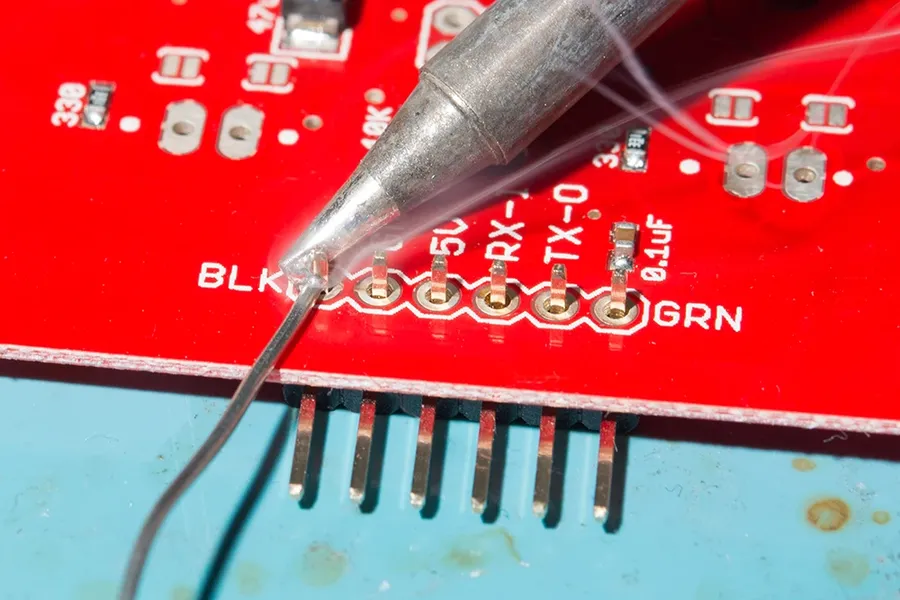
Electronics assembly encompasses a variety of techniques, each suited to different product designs, manufacturing volumes, and performance requirements. The primary methods include Surface Mount Technology (SMT), Through-Hole Technology (THT), and Mixed Technology assembly, each offering unique advantages and trade-offs.
| Technique | Description | Advantages | Disadvantages | Typical Applications |
|---|---|---|---|---|
| Surface Mount Technology (SMT) | Components are mounted directly onto the surface of the PCB. | High component density, Automated assembly, Cost-effective for mass production, smaller size. | Requires specialized equipment, Can be sensitive to mechanical stress, Difficult rework, limited to planar components. | Smartphones, laptops, high-volume consumer electronics |
| Through-Hole Technology (THT) | Components are mounted using leads that pass through holes in the PCB. | Strong mechanical connections, Easier manual assembly, Good for larger components, robust physical connections. | Lower component density, Larger board size, More manual assembly, not suitable for miniaturization. | Power supplies, connectors, applications requiring robust connections |
| Mixed Technology Assembly | Combination of SMT and THT on the same PCB. | Combines advantages of both SMT and THT, Flexibility in component selection, Suitable for complex designs. | More complex assembly process, Higher equipment and labor costs than SMT only, requires expertise in both. | Industrial equipment, complex electronic systems, prototypes |
The selection of an assembly technique depends heavily on the product’s specific requirements. SMT is often preferred for high-volume, miniaturized devices due to its automation capabilities and component density. In contrast, THT provides robust connections suitable for larger, more mechanically demanding applications. Mixed technology offers a balanced solution for complex designs that need a combination of features from both SMT and THT.
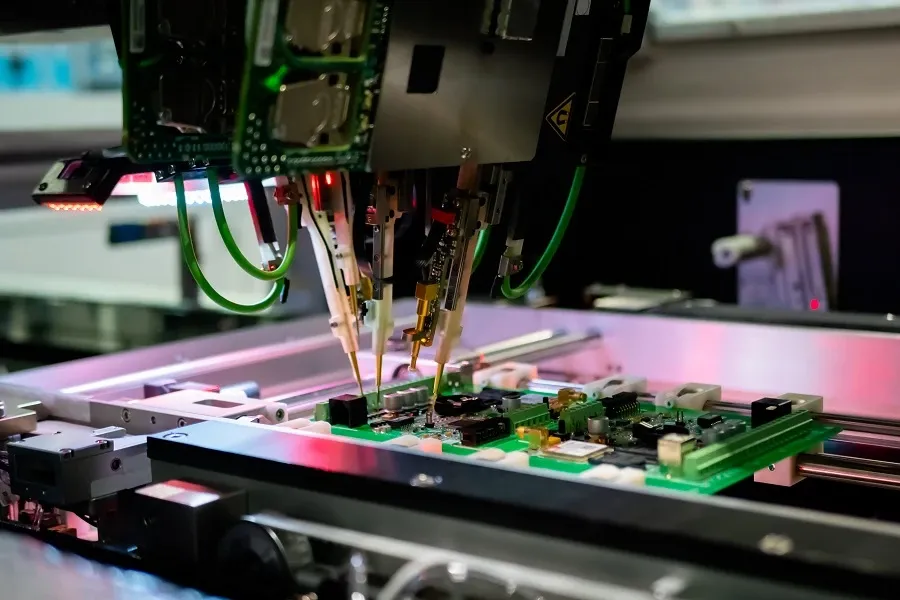
Quality control and testing are paramount in electronics assembly to guarantee the reliability and performance of the final product. These processes are not just about finding defects; they are integral to preventing them, ensuring that each assembled unit meets stringent standards before reaching the end user. This is a critical aspect of the entire manufacturing process that ensures minimal failures in the field and strengthens brand reputation.
| Testing Method | Description | Purpose | Tools and Technologies |
|---|---|---|---|
| Visual Inspection | A meticulous examination of the assembled board, components, and solder joints using magnification and specialized lighting. | Identifies physical defects such as misaligned components, solder bridges, insufficient solder, and damaged parts. | Magnifying glasses, microscopes, high-intensity lighting, automated optical inspection (AOI) systems. |
| Functional Testing | Verifies that the assembled unit functions as designed by stimulating its inputs and measuring its outputs under various operating conditions. | Checks if the circuit performs its intended tasks, verifies proper signal processing, and confirms that all components are working together correctly. | Test fixtures, specialized test equipment, programmable test devices, system integration tools. |
| In-Circuit Testing (ICT) | Applies electrical signals to specific points on the board to test individual components and circuits without powering the entire assembly. | Identifies component faults, short circuits, and open circuits, thereby checking the electrical integrity and connection of the PCB. | Bed-of-nails fixtures, in-circuit test machines, signal generators, measurement devices. |
| Automated Optical Inspection (AOI) | Uses cameras to capture detailed images of the PCB and analyzes them automatically, comparing them with a predefined reference. | Identifies errors like solder defects, incorrect component placement, missing components, and polarity issues, it's a quick high volume method. | High-resolution cameras, image processing software, automated robotic systems. |
| X-Ray Inspection | Uses X-rays to penetrate the PCB and components to reveal internal features, such as solder joints beneath BGA (Ball Grid Array) packages. | Identifies hidden defects, solder voids, and misaligned BGA balls that can't be detected through optical methods. | X-ray inspection machines, image processing software, radiation shielding. |
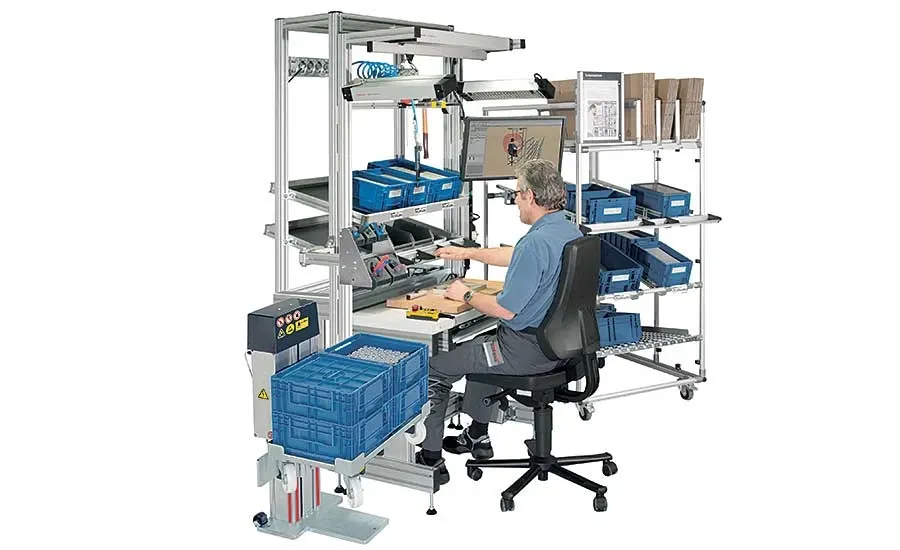
For operators engaged in electronics assembly, achieving peak performance requires a blend of specific skills, the correct use of tools, and a thorough understanding of the assembly processes. This section will explore essential practices and techniques to ensure operators can produce high-quality electronic assemblies consistently.
The electronics assembly sector presents a diverse range of career opportunities, spanning from hands-on assembly roles to engineering and management positions. This field is vital to the manufacturing of countless electronic devices, offering stable and potentially rewarding career paths for individuals with varying skills and educational backgrounds. Understanding these career options can assist individuals in making informed decisions about their professional development.
| Job Title | Typical Responsibilities | Required Skills & Qualifications | Career Progression |
|---|---|---|---|
| Electronic Assembler | Assembles electronic components onto PCBs, performs soldering, and conducts basic visual inspections. | High school diploma or equivalent, basic soldering skills, attention to detail, ability to follow instructions. | Senior Assembler, Team Lead, or Technician roles. |
| Electronics Technician | Performs troubleshooting, testing, and repair of electronic assemblies, operates testing equipment, and diagnoses complex issues. | Associate's degree in electronics technology or equivalent experience, advanced soldering and troubleshooting skills, knowledge of electronic testing equipment. | Engineering Technician, Quality Control Inspector, or Specialist roles. |
| Electronics Engineer | Designs, develops, and tests electronic systems and components, improves assembly processes, and ensures product quality and performance. | Bachelor's degree in Electrical or Electronics Engineering, in-depth knowledge of circuit design, testing methodologies, and manufacturing processes. | Senior Engineer, Project Manager, or Research & Development roles. |
| Manufacturing Engineer | Oversees the manufacturing process, optimizes assembly line efficiency, implements process improvements and new technologies, and ensures product quality. | Bachelor's degree in Manufacturing or Industrial Engineering, process optimization skills, knowledge of lean manufacturing principles, and experience with production systems. | Manufacturing Manager, Operations Manager, or Plant Manager roles. |
| Quality Control Inspector | Conducts thorough inspections of assembled electronics, documents defects, and implements corrective actions to ensure high product quality. | High school diploma or associate's degree, attention to detail, knowledge of quality standards, and understanding of assembly processes. | Quality Control Supervisor or Quality Assurance Manager. |
This section addresses common queries regarding electronics assembly, providing clear and concise answers to enhance your understanding of this critical manufacturing process.
The electronics assembly landscape is rapidly evolving, driven by technological advancements, increasing demand for miniaturization, and the push for greater automation. These trends are reshaping manufacturing processes and impacting industries worldwide, signaling a future of more efficient and sophisticated assembly practices.
Electronics assembly is the cornerstone of modern technology, and understanding its nuances is key to innovation and progress. From the meticulous preparation of components to the rigorous testing of finished products, the process demands precision and expertise. As technology continues to evolve, so too will electronics assembly, adapting to new challenges and opportunities, and continuing to drive the development of cutting-edge devices that shape our world. The future promises even more automation and complex solutions that will continue to rely on a strong understanding of electronics assembly.

