Imagine turning a knob to dim a light or fine-tuning the volume of your favorite music. Behind these simple actions lies the power of an adjustable resistor, a cornerstone of modern electronics. This article delves into the intricacies of these components, exploring how they work, the various types available, and their crucial role in controlling electrical flow, bridging the gap between abstract circuit theory and everyday technology. We will also address frequently asked questions about adjustable resistors to provide a comprehensive understanding.
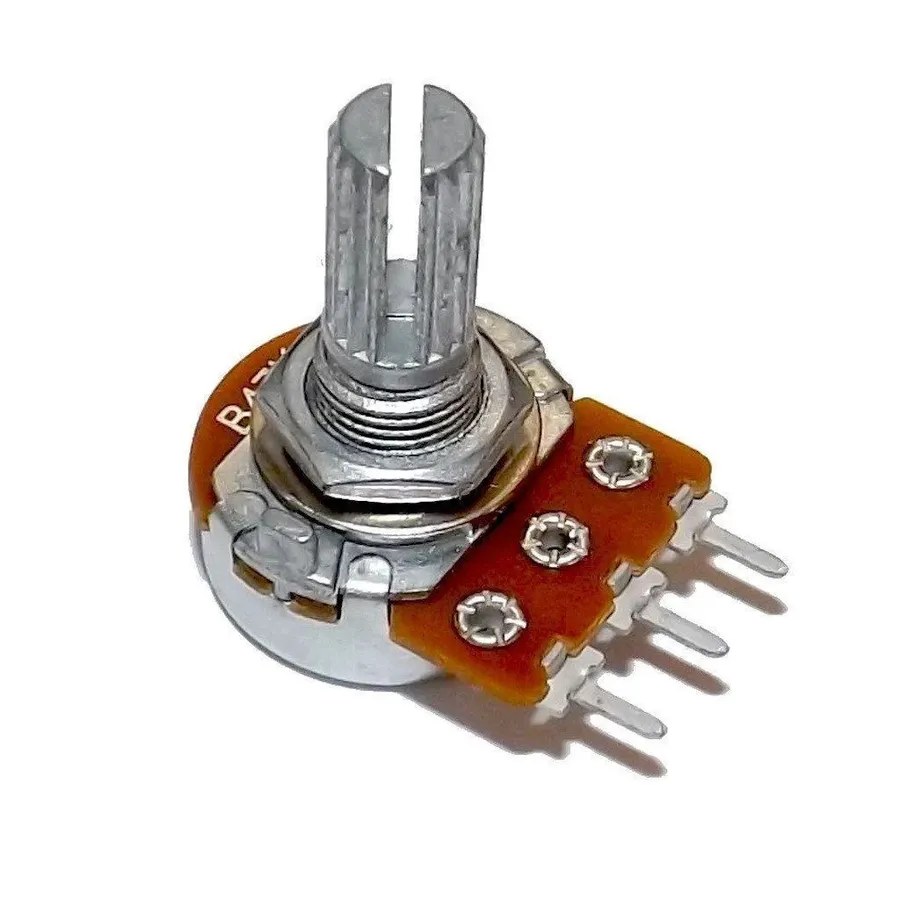
An adjustable resistor is a fundamental electronic component designed to offer a variable level of electrical resistance, thereby controlling the flow of current within a circuit. This crucial functionality allows it to act as an electromechanical transducer, where physical adjustments translate into changes in electrical properties, enabling precise control over circuit behavior.
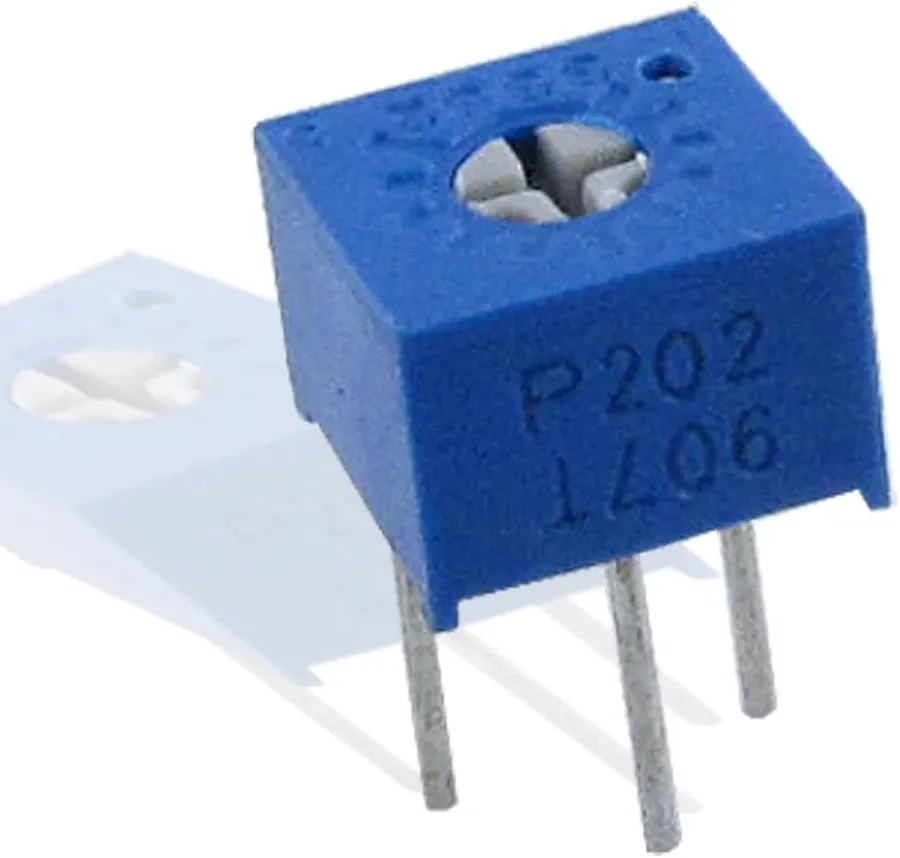
Adjustable resistors, pivotal in electronic circuits, come in several forms, each tailored to specific applications. The primary types are potentiometers, rheostats, and trimmer resistors, each exhibiting unique characteristics and design features that dictate their suitability for different use cases.
| Feature | Potentiometer | Rheostat | Trimmer Resistor |
|---|---|---|---|
| Primary Use | Voltage division, adjustable voltage reference | Current control, variable resistance in a branch | Fine-tuning resistance, infrequent adjustment |
| Adjustment Mechanism | Rotary or linear movement | Rotary or linear movement | Small screwdriver or similar tool |
| Typical Adjustment Range | Wide, can often be set precisely over a large range | Wide, typically designed for higher current applications | Narrow, intended for fine adjustments and set-and-forget applications |
| Number of Terminals | Three | Two or three (two-terminal use is common) | Three or two (sometimes with multiple turns for fine tuning) |
| Common Applications | Volume control, position sensing, feedback circuits | Motor speed control, lamp dimming, heater controls | Calibration circuits, precision adjustments in sensors and circuits |
| Construction | Generally more robust, designed for frequent adjustments | Often designed for higher power handling capability | Smaller footprint, designed for set-and-forget or occasional adjustment |
Potentiometers, often referred to as 'pots', are three-terminal devices that function primarily as voltage dividers. They consist of a resistive element with a wiper that moves along the element, effectively dividing the resistance into two parts, which results in variable voltage output. This property makes them ideal for applications like volume controls in audio devices, where the wiper is adjusted to vary the voltage, and consequently the signal level. Rheostats are similar to potentiometers, but are designed for current control rather than voltage division. They are commonly two-terminal devices although some do have three terminals and operate similar to a potentiometer. A rheostat can change the current within a circuit by varying the total resistance in a particular branch. Unlike potentiometers, which use voltage division, rheostats directly control the current by varying the conductive path of the circuit. Trimmer resistors, also known as 'trimpots', are small adjustable resistors used for fine-tuning circuits. They are designed for infrequent adjustments, generally with a small screwdriver, to calibrate or set specific parameters of a circuit. They are commonly used for set-and-forget adjustments in circuits, such as adjusting the gain of an amplifier or calibrating sensor readings, and due to their small footprint, they can be easily integrated into compact devices and systems.
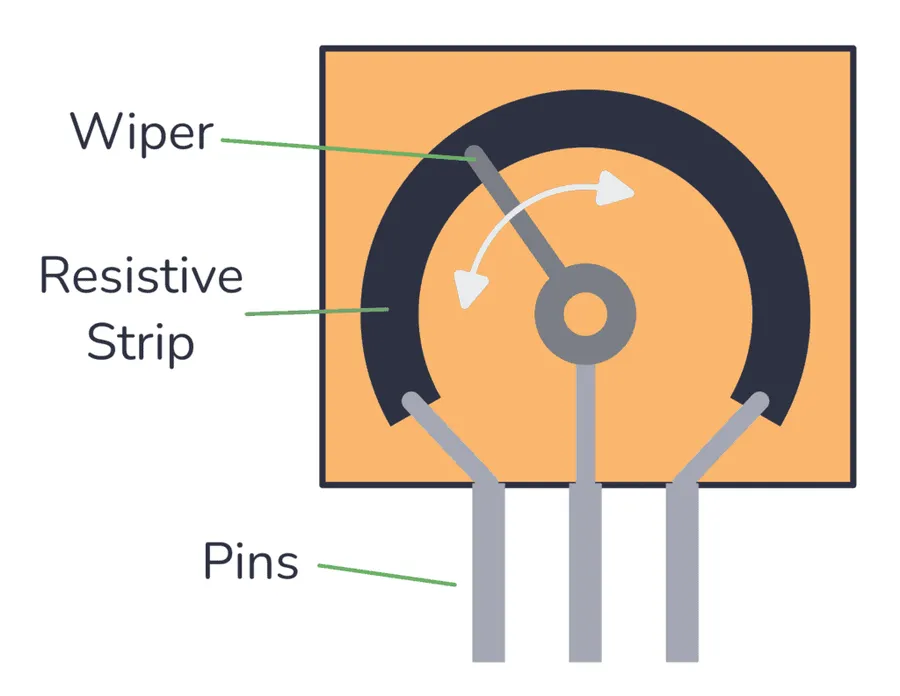
Adjustable resistors function by physically altering the conductive path within the device, thereby modifying the resistance to electrical current. This electromechanical process allows for dynamic control of current flow in a circuit. The key to their operation lies in the interaction between the resistive material and the mechanism that facilitates adjustment.
The core operating principle of an adjustable resistor involves a resistive element, a wiper or slider, and a means of mechanical adjustment. When the wiper or slider makes contact with different positions on the resistive element, the length of the conductive path changes, resulting in a corresponding change in resistance. The physical adjustment, whether through rotation or linear movement, determines the specific resistance value the component offers to the current.
Resistive materials commonly found in adjustable resistors include carbon film, ceramic-metal compositions (cermet), and wirewound elements. Carbon film resistors are cost-effective and suitable for general-purpose applications. Cermet resistors offer higher precision and stability, while wirewound resistors are used in applications requiring high power handling capabilities. Design configurations vary, with some adjustable resistors featuring a single linear track and others employing a circular track, impacting the type of mechanical adjustment required.
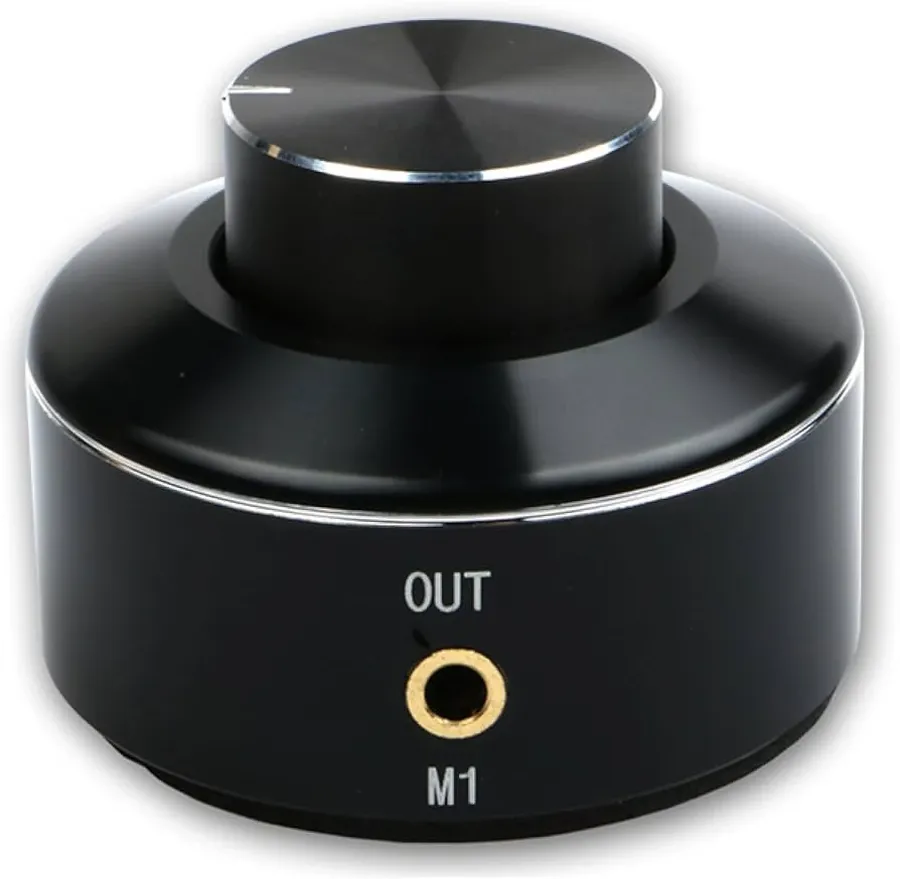
Adjustable resistors are indispensable components across numerous industries due to their ability to dynamically control electrical resistance. This inherent flexibility allows for fine-tuning of current flow, voltage levels, and signal characteristics, making them vital in applications ranging from everyday consumer electronics to complex industrial equipment.
Choosing the correct adjustable resistor is crucial for optimal circuit performance. This selection process requires a thorough understanding of the application's specific needs, involving careful consideration of various factors such as the required resistance range, power handling capacity, desired accuracy, and the environmental conditions under which the component will operate. The following guide provides a detailed look at these key parameters to assist in making informed decisions.
| Parameter | Description | Potentiometer | Rheostat | Trimmer |
|---|---|---|---|---|
| Resistance Range | The range of resistance values the component can provide. | Wide, from ohms to megohms. | Typically lower than potentiometers. | Limited, often a narrow adjustment range. |
| Power Rating | The maximum power the resistor can dissipate without damage. | Low to medium power applications. | Higher power than potentiometers, for current control. | Very low power applications. |
| Accuracy | Precision of the resistance value and adjustment. | Moderate accuracy is common, high precision available. | Moderate accuracy. | High precision, for fine adjustments and calibration. |
| Adjustability | Ease and frequency of adjustment. | Designed for frequent user adjustment. | Less frequent adjustment, for current control. | Designed for set-and-forget, infrequent adjustments. |
| Environmental Conditions | Suitability for different operating temperatures and humidity. | Standard operating conditions. | Standard operating conditions. | Often sealed to be robust against harsh conditions. |
| Typical Use Cases | Common applications of the resistor. | Volume control, voltage dividers, signal control. | Current control, such as in motor speed control. | Circuit calibration, precise adjustments in prototypes. |
Integrating adjustable resistors effectively into circuit design requires a careful consideration of their function within the system. These components are not merely variable resistances; they are critical control elements that can dynamically alter circuit behavior. This section provides practical guidance on how to leverage adjustable resistors for various applications, ensuring optimal performance and safety.
When incorporating adjustable resistors, understand the implications of their placement and connection. Potentiometers, for example, can be used as voltage dividers or variable resistors by using all three terminals or just two, respectively. It's crucial to match the device's resistance range to the specific application requirements, avoiding exceeding current or power ratings which could lead to failure. In circuits, they are typically used to set bias points, calibrate sensors, or control gain levels. Always ensure that the adjustable resistor is securely mounted and that the adjustable element is accessible for user control. Proper wiring and grounding are necessary to prevent noise and interference from affecting the intended function.
Safety is paramount when using adjustable resistors, especially when working with higher voltages or currents. Always turn off the power before making adjustments to the resistor. Avoid touching live components to prevent electrical shock. Also, consider the environment the resistor will be operating in, as some may be more susceptible to temperature changes and humidity. Choosing the right materials and ensuring proper heat dissipation will prolong the life of these devices. It is good practice to use a digital multimeter to verify the resistance after each adjustment to accurately understand the circuit state.
This section addresses common queries regarding adjustable resistors, providing clear and concise answers to help users better understand their functionality, applications, and limitations. We aim to clarify the differences between various types of adjustable resistors and their practical use in electronic circuits.
The field of adjustable resistors is not static; it is undergoing continuous evolution driven by the demand for higher performance, greater durability, and more versatile applications. Innovations are emerging across materials, design, and functionality, pushing the boundaries of what these components can achieve.
Here's a look at some of the key trends shaping the future of adjustable resistors:
Adjustable resistors, in their various forms, are more than just components; they are versatile tools that enable fine-tuning of electronic systems. From the simple volume knob to complex industrial controls, they ensure the precise management of current and voltage. Understanding the differences between potentiometers, rheostats, and other types, as well as their application and proper selection, empowers both hobbyists and professionals in electronics. As technology continues to evolve, so too will adjustable resistors, with new materials and designs emerging to meet the demands of an increasingly complex and interconnected world, ensuring they remain a crucial part of the electronic landscape.

