Navigating the World of Electronic Parts Catalogs: A Comprehensive Guide
2025.02.09
In today's fast-paced technological landscape, accessing and managing electronic parts efficiently is critical. From automobiles to industrial machinery, the ability to quickly locate, identify, and order the correct components is vital. This is where electronic parts catalogs (EPCs) come into play. This article delves into the world of EPCs, exploring what they are, how they work, their benefits, and how they are transforming industries, while highlighting the role of a comprehensive electronic parts catalog in this process. We will also cover key aspects including searching capabilities, updates, integrations and more.
What is an Electronic Parts Catalog (EPC)?
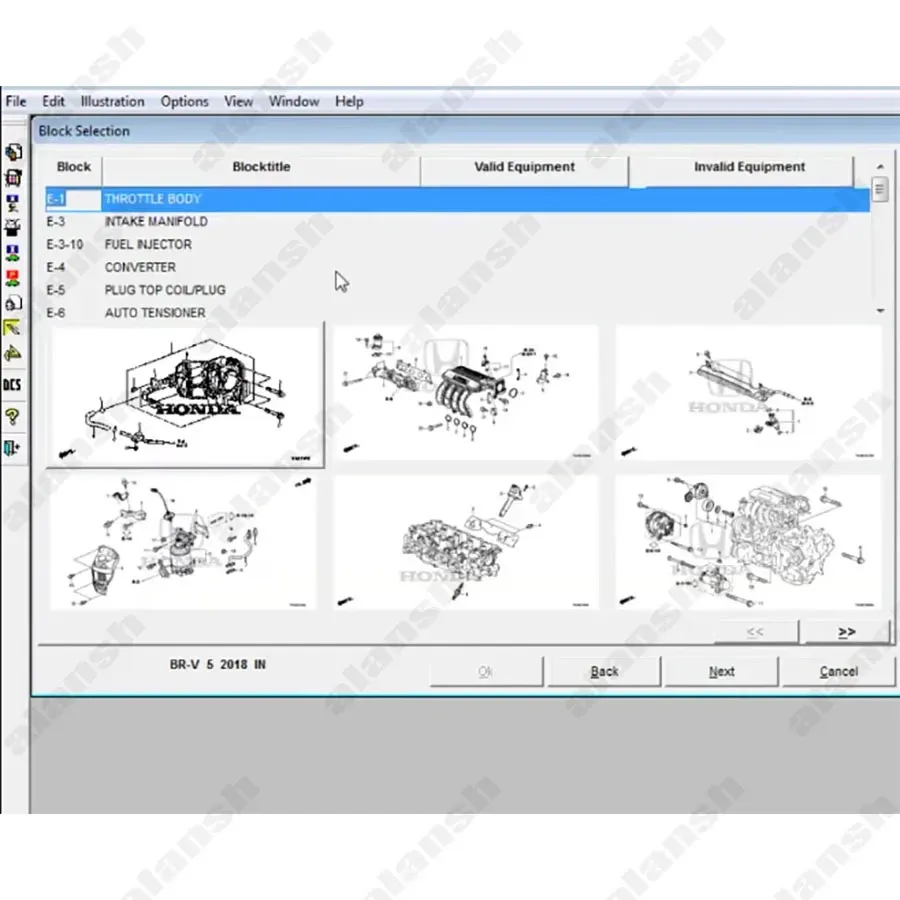
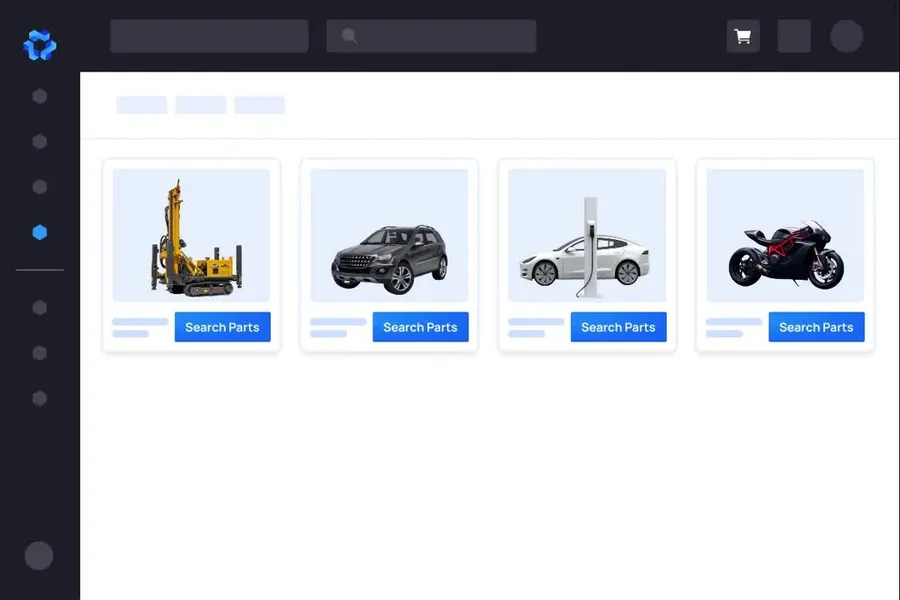
Electronic Parts Catalog Interface
An Electronic Parts Catalog (EPC) is a digital database that provides comprehensive information about the components and parts of machinery, vehicles, and equipment. Unlike traditional paper catalogs, an EPC offers an interactive and searchable platform, enabling users to quickly and accurately identify the parts they need. At its core, an EPC is a structured system of information, offering detailed views, part specifications, and compatibility details to streamline the parts identification and ordering process.
The functionalities of an EPC include:
Advanced Search Capabilities Users can search parts using various parameters, such as VIN (Vehicle Identification Number), part number, or description.
Detailed Product Specifications EPCs provide detailed technical information, including dimensions, material specifications, and performance data.
Exploded Views Visual representation of parts and their assembly, making it easier to understand the location and context of each component.
Compatibility Data Information on which parts are compatible with different models or systems.
Real-Time Stock Availability Integration with inventory management systems to display real-time stock levels, crucial for efficient ordering.
Key Features of an Effective Electronic Parts Catalog
Search Filters in EPC
An effective electronic parts catalog (EPC) is more than just a digital list; it's a sophisticated tool designed to streamline the parts identification and ordering process. Its core strength lies in its ability to provide users with accurate, comprehensive, and readily accessible information, ultimately reducing errors and increasing efficiency.
Advanced Search Capabilities Robust search functionalities are paramount for locating specific parts quickly. This includes searching by Vehicle Identification Number (VIN), part number, part name, or keyword. The ability to utilize partial or cross-reference searches further enhances efficiency.
Detailed Product Specifications A comprehensive EPC should provide extensive part details, such as dimensions, materials, technical specifications, and compatibility information. This reduces ambiguity and ensures the correct part is ordered.
Exploded Views and Diagrams Interactive exploded views and detailed diagrams are critical for visual identification of parts within a specific assembly. These graphic representations facilitate a better understanding of component relationships and simplify the selection process.
Compatibility Data The EPC must accurately present compatibility data, ensuring that parts are suitable for the specific models, years, and configurations. Accurate cross-referencing reduces the chances of incorrect parts selection.
Real-Time Stock Availability Integrating real-time stock levels allows users to confirm parts availability immediately, preventing delays and streamlining inventory management. This feature is especially critical for minimizing downtime in maintenance and repair operations.
Benefits of Using Electronic Parts Catalogs
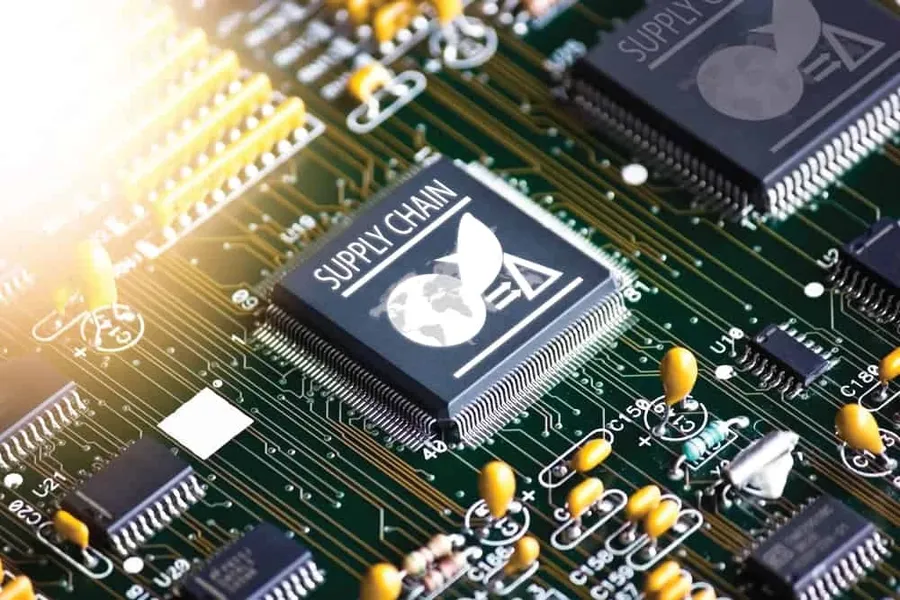
Electronic Parts Warehouse
Electronic Parts Catalogs (EPCs) offer a significant leap in efficiency and accuracy compared to traditional paper-based systems. By digitizing parts information, EPCs streamline the entire parts management process, leading to substantial operational advantages across various industries. The core benefits revolve around enhanced accuracy, speed, and cost-effectiveness, which directly contribute to improved productivity and profitability.
Below are key advantages that demonstrate the value of implementing an Electronic Parts Catalog, highlighting the tangible improvements that businesses can expect.
Reduced Ordering Errors EPCs minimize human error by providing precise part data, including part numbers, descriptions, and compatibility information. This accuracy reduces the risk of ordering incorrect parts, preventing costly delays and rework. For example, in the automotive industry, using VIN-specific searches ensures that only the correct components are identified and ordered for a given vehicle.
Faster Part Identification With advanced search functionalities such as VIN lookup, part name, or keyword search, EPCs enable users to locate required parts quickly. This significantly reduces the time spent searching for parts, freeing up personnel for other tasks and accelerating repair and maintenance operations. A repair technician can, for example, instantly find the specific sensor needed by simply inputting its model number or description into the catalog.
Improved Inventory Management EPCs often integrate with inventory management systems, providing real-time stock availability information. This feature enables businesses to optimize their inventory levels, avoiding stockouts and overstocking, leading to significant cost savings. A manufacturing plant can utilize this feature to ensure they have the right parts for ongoing operations, reducing downtime and lost productivity.
Enhanced Data Accuracy The use of a digital catalog ensures that all information is consistent, up-to-date, and accurate, unlike paper-based catalogs which can become outdated quickly, and introduce inconsistencies. An EPC ensures that all users are referencing the same verified information.
Cost Savings By reducing errors, improving inventory management, and speeding up parts identification, EPCs result in substantial cost savings. Reduced downtime, fewer incorrect orders, and optimized inventory levels all translate to lower operational costs. For instance, a large-scale assembly plant can cut costs significantly by avoiding downtime due to unavailable parts and can optimize its inventory to reduce storage costs. In addition, the reduction in labor hours associated with searching and ordering also contributes to long term savings.
Better Collaboration and Communication Electronic parts catalogs facilitate better collaboration between teams and departments, as everyone has access to the same information, allowing for improved communication regarding part selection and usage. This is beneficial within internal teams and when communicating with external suppliers or contractors.
How to choose the right Electronic parts catalog solution?
Online Supplier Platform
Selecting the appropriate electronic parts catalog (EPC) solution is a critical decision that directly impacts operational efficiency and cost management. A well-chosen EPC streamlines parts identification, reduces errors, and enhances overall productivity. Key considerations include user-friendliness, data accuracy, integration capabilities, update efficiency, and the availability of robust support services.
Here's a breakdown of the essential factors to consider:
User-Friendly Interface The EPC should have an intuitive and easy-to-navigate interface. This minimizes the learning curve for users and ensures that part information can be quickly accessed and interpreted by personnel at all levels of technical expertise. Complex navigation structures lead to decreased adoption and increased error rates.
Comprehensive Database A robust and up-to-date database is essential for accuracy. The catalog must cover a wide range of parts and include detailed technical specifications. Consider the breadth of part coverage, the frequency of updates, and the process for adding new parts. Outdated or incomplete data negates many of the advantages of an EPC.
Integration Compatibility Seamless integration with existing systems, such as Enterprise Resource Planning (ERP) and Customer Relationship Management (CRM) software, is crucial for a smooth workflow. Integration minimizes manual data entry, reduces data silos, and facilitates better information sharing across different departments. Incompatibility can lead to data redundancy, increased operational costs and reduced productivity. The EPC should facilitate smooth data exchange through open APIs or common integration methods.
Ease of Updating Information The system should allow for easy and efficient updating of part information, pricing, and availability. The updating mechanism should be flexible and allow for bulk updates where appropriate and provide robust version control. Regular updates are essential to maintain data accuracy and should be integrated into a formal quality system.
Strong Support Services Reliable technical support is critical for resolving issues and ensuring continuous operation. Consider the availability of training resources, the responsiveness of support teams, and the documentation provided. A vendor committed to robust support services is essential for an organization's ability to rely upon the system. Consider options for different levels of support engagement including basic support, premium, and dedicated support options.
By carefully assessing these key factors, businesses can confidently select an EPC solution that is aligned with their specific requirements and maximizes the benefits of a digital parts catalog.
Industries Benefitting from Electronic Parts Catalogs
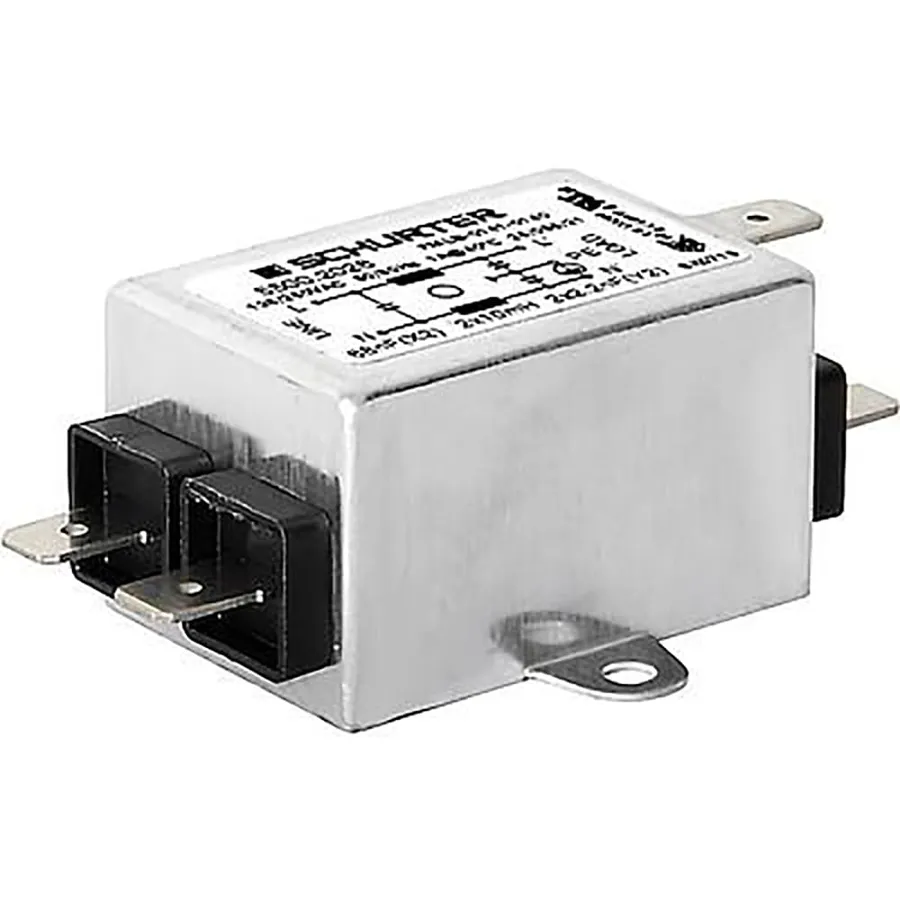
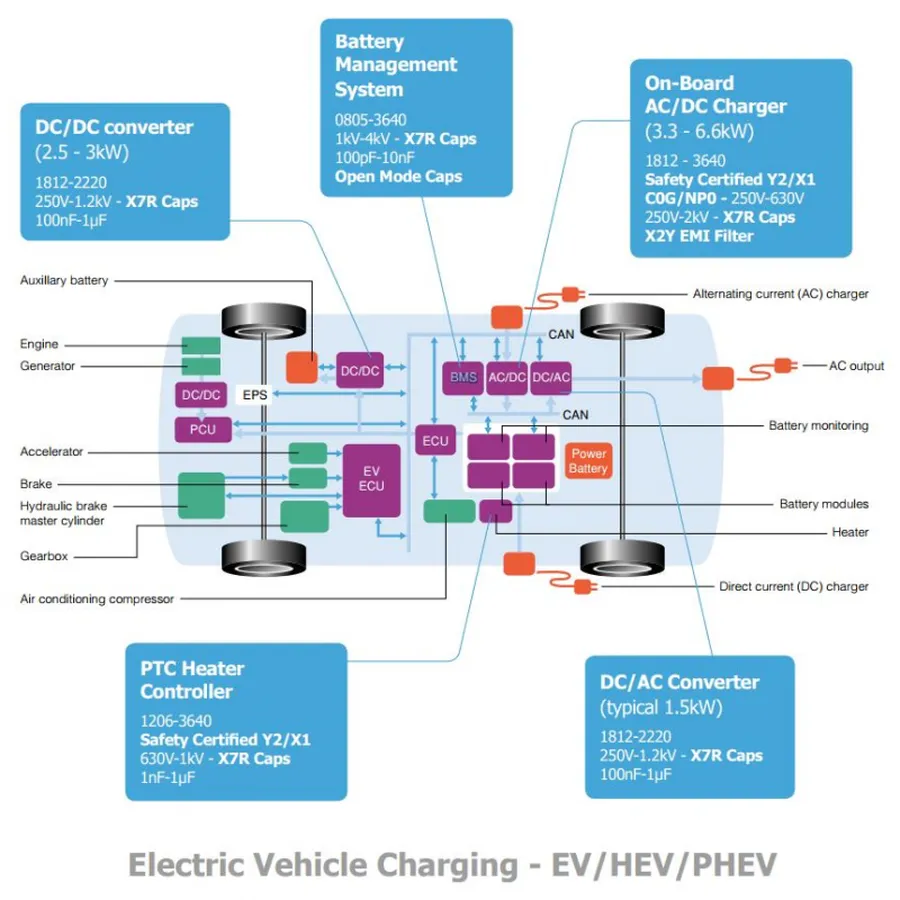
Automotive electronic components
Electronic Parts Catalogs (EPCs) are indispensable tools across a multitude of industries, offering substantial improvements in efficiency, accuracy, and cost-effectiveness. These sectors rely on EPCs to manage complex inventories and ensure timely maintenance and repair operations. The implementation of EPCs is not merely a convenience, but a critical component of operational success for many businesses.
Automotive Industry The automotive sector benefits significantly from EPCs, as they facilitate rapid identification of parts, reduce errors in ordering, and streamline the maintenance and repair process. EPCs enable technicians to quickly access accurate information, including diagrams and specifications, which reduces downtime and improves customer service. Original Equipment Manufacturers (OEMs) and aftermarket suppliers both rely heavily on these systems for efficient operations.
Heavy Machinery Industry In the heavy machinery sector, where equipment is complex and downtime is costly, EPCs are crucial. They enable maintenance teams to quickly locate and order the correct parts, ensuring that machinery is back in operation with minimal delay. From construction to agriculture, industries utilizing heavy equipment require precise and comprehensive part data which is efficiently provided by EPCs.
Aerospace Industry The aerospace industry demands the highest levels of precision and compliance. EPCs in this sector must provide extremely accurate, up-to-date part information and are essential for maintaining aircraft and ensuring safety. Detailed component data, including technical specifications and regulatory information, are critical for aviation maintenance, repair, and overhaul (MRO) processes.
Electronics Manufacturing Electronics manufacturing relies heavily on EPCs to manage diverse and intricate components. An efficient EPC system is indispensable in this industry for managing complex BOMs, streamlining sourcing processes, and ensuring production continuity. These systems provide quick access to crucial information about each component.
Other Industries Beyond the aforementioned, other industries such as marine, rail transport, and medical equipment manufacturing also heavily depend on EPCs. These sectors each have unique requirements, but their reliance on accurate, accessible part information is universal. The versatility of EPCs means they can be tailored to meet the specific needs of each unique industry.
Electronic Parts Catalog: Implementation and Integration
System Integration Diagram
Implementing and integrating an Electronic Parts Catalog (EPC) into existing systems requires careful planning and execution. This process involves more than just installing software; it’s about establishing a seamless, efficient digital workflow that enhances overall operational effectiveness. Key steps include data migration, team training, and establishing well-defined processes.
The successful integration of an EPC hinges on the ability of the new system to smoothly interact with other business tools, such as ERP (Enterprise Resource Planning), CRM (Customer Relationship Management), and inventory management software. This level of interoperability ensures real-time data consistency, which enhances decision-making and reduces operational bottlenecks.
Data Migration The initial step involves migrating data from legacy systems to the new EPC. This includes product specifications, inventory details, pricing structures, and customer data. It is essential to ensure data accuracy and integrity during this transfer. Data cleansing and validation processes are vital to remove duplicates and inconsistencies before importing the data into the new EPC system.
System Integration Integrating the EPC with existing ERP, CRM, and other relevant systems is crucial for seamless operation. This integration should allow for a smooth flow of data, enabling real-time updates and access to information across different platforms. This interconnectedness is essential for maintaining inventory accuracy and providing up-to-date part availability to users. APIs (Application Programming Interfaces) are often used to facilitate these integrations.
Team Training Comprehensive training is necessary to ensure the entire team is proficient in using the new EPC system. Training should cover all aspects of the system, from basic search functionalities to advanced features. Tailored training programs based on the user's role can enhance the effectiveness of the training, leading to increased efficiency and user adoption of the new system.
Workflow Optimization Establishing new workflows is essential to maximizing the utility of the EPC. This might include redesigning processes for part identification, ordering, and inventory management. Optimizing workflows reduces the potential for human error and leads to improved operational efficiency and reduced order processing time.
Testing and Validation Before full implementation, thorough testing of the integrated system is essential. This includes validating the accuracy of migrated data, ensuring smooth interactions between various platforms, and verifying all features of the EPC. Testing should be rigorous and cover a variety of use cases and scenarios.
Phased Rollout Consider implementing a phased rollout to minimize disruptions. Launching the EPC in stages, either by department or location, allows for issues to be identified and resolved before widespread adoption.
Frequently Asked Questions About Electronic Parts Catalogs
This section addresses common queries regarding electronic parts catalogs (EPCs), offering concise and authoritative answers to help users better understand their functionality and benefits. These FAQs cover fundamental aspects, from defining an EPC to understanding the factors that influence the cost of electronic parts.
What exactly is an electronic parts catalog (EPC)? An Electronic Parts Catalog (EPC) is a digital database providing comprehensive information about parts, components, and assemblies for various products. It replaces traditional paper catalogs, offering advanced search, detailed specifications, and real-time availability, streamlining the part identification and procurement process.
How do I create an electronic parts catalog? Creating an effective EPC involves several key steps: First, compile all necessary parts data, including specifications, diagrams, and compatibility information. Then, choose a suitable software platform or develop a custom solution. Populate the catalog with organized and detailed information. Finally, integrate the EPC with your existing systems for a seamless user experience and ongoing maintenance for data accuracy.
What are the key steps for creating a spare parts catalog? Creating a spare parts catalog, whether digital or physical, requires careful organization and accuracy. The crucial steps include: identifying all spare parts; documenting detailed specifications; creating clear diagrams, exploded views, and part associations; categorizing parts effectively and creating a database. Regular updates to maintain accuracy and usability are key. This meticulous approach ensures easy and error-free parts identification and ordering for customers and maintenance personnel.
Why are electronic parts so expensive? The cost of electronic parts is influenced by several factors: material costs (e.g., rare metals), manufacturing complexity, research and development expenses, and market demand. High-precision components, specialized designs, and low production volumes often lead to higher prices. Additionally, compliance with stringent quality and environmental standards adds to the overall cost.
What are the benefits of using an electronic parts catalog versus a traditional paper catalog? Electronic parts catalogs offer significant advantages over paper catalogs, including faster search capabilities (e.g., using VIN), real-time inventory updates, detailed exploded views and product specifications, compatibility information, reduced ordering errors, and improved inventory management leading to cost savings. These advantages improve efficiency and enhance customer satisfaction.
How can an Electronic Parts Catalog improve my business processes? An EPC can significantly enhance business processes by providing a centralized database for parts information, reducing manual processes in parts lookup and ordering, speeding up service and repairs, reducing order errors, improved inventory management, and ultimately improved customer satisfaction. The efficiency gains translate to reduced operational costs and increased productivity.
What are the integration considerations for implementing an Electronic Parts Catalog? Implementing an Electronic Parts Catalog requires careful consideration of integration with existing systems. Key areas include integration with ERP (Enterprise Resource Planning) systems for order processing, CRM (Customer Relationship Management) for customer data, and inventory management systems for real-time stock levels. Ensuring data consistency across all platforms through proper integration is critical for seamless operation.
The Future of Electronic Parts Catalogs and Technological Advancements
AI search in EPC
The evolution of Electronic Parts Catalogs (EPCs) is rapidly accelerating, driven by advancements in artificial intelligence, augmented and virtual reality, and cloud computing. These technologies are poised to transform how businesses manage and utilize parts information, streamlining operations and enhancing customer experiences. The integration of these innovative tools is not just about keeping pace; it's about unlocking new levels of efficiency and competitiveness in the modern marketplace.
Key technological advancements are pushing the boundaries of what EPCs can achieve. AI-powered search capabilities promise more intuitive and faster part identification, while AR and VR integrations offer immersive ways to interact with complex components. Cloud-based solutions provide scalable and accessible platforms, ensuring data is readily available and easily managed across different locations and systems. These advancements are not isolated developments; they are converging to redefine the future of EPCs.
AI-Powered Search Artificial intelligence is revolutionizing how users search for parts within an EPC system. By employing natural language processing and machine learning algorithms, AI can understand complex search queries, recognize vague descriptions, and even identify parts from images. This dramatically reduces the time spent finding the correct component and minimizes the likelihood of human error.
Enhanced AR/VR Integration Augmented reality (AR) and virtual reality (VR) technologies are creating new avenues for interacting with parts catalogs. AR can overlay digital information onto physical parts, aiding in identification and installation. VR can provide an immersive, 3D view of complex assemblies, allowing users to explore and understand the inner workings of equipment in ways that traditional catalogs cannot.
Cloud-Based Solutions Cloud computing provides a scalable and highly accessible platform for EPC systems. Moving to the cloud means that catalog data can be accessed from anywhere in the world, at any time, and on any device. This fosters greater collaboration, facilitates easier updates and maintenance, and allows for greater flexibility in system management. Cloud solutions enhance the integration with other business systems and reduce the need for expensive on-site infrastructure.
The implications of these trends for your business are significant. Adapting to these technologies means embracing change and investing in innovative solutions. These advancements lead to better inventory management, greater ordering accuracy, increased efficiency in parts identification, improved user experience, and ultimately, a stronger competitive advantage. The continuous evolution of EPCs necessitates ongoing learning and upgrades to ensure that you are fully leveraging the latest technologies.
Comparing Popular Electronic Parts Catalog Solutions
Selecting the right Electronic Parts Catalog (EPC) is crucial for optimizing parts management and improving operational efficiency. This section provides a comparative analysis of leading EPC platforms, focusing on their unique features, pricing models, and suitability for various business needs. Understanding these differences is essential for making an informed decision that aligns with your specific requirements.
Platform
Key Features
Pricing Model
Suitable For
Pros
Cons
ARI
Extensive database, VIN decoding, mobile app, integration capabilities, multi-vendor support.
Subscription-based, tiered pricing.
Automotive, Powersports, Outdoor Power Equipment dealers.
Comprehensive database, mobile accessibility, good integration.
Can be expensive for small businesses, may have a steep learning curve.
EPCATALOGS
Customizable platform, parts data management, e-commerce integration, API access.
Subscription or customized based on volume, user numbers and features.
Manufacturers, distributors, medium to large businesses.
Highly customizable, scalable, robust data management.
Setup and integration can be complex, may require IT support.
Snap-on
Integrated diagnostics, repair information, parts ordering, VIN specific info, regular updates.
Subscription model, potential hardware costs.
Automotive repair shops, dealerships.
Diagnostic tools integration, detailed repair information, fast parts ordering.
High cost of entry, focused primarily on repair professionals.
Various sectors (automotive, industrial), small to medium sized businesses.
Easy to use, cloud based, good search and cross referencing.
Might be limited in very advanced features, can lack customizations for large enterprises.
Electronic parts catalogs have become indispensable tools for modern industries relying on accurate and timely access to components. They offer a significant upgrade from traditional methods, streamlining operations, minimizing errors, and improving overall efficiency. As technology advances, the future of EPCs looks promising, with innovative solutions continuously emerging, making a comprehensive electronic parts catalog solution paramount for staying competitive and meeting the evolving needs of the electronic parts industry. It is about the ability to quickly locate, identify, and order the correct electronic parts, which is critical for maintaining a streamlined workflow and enhancing overall operations.