In an era where urban landscapes are rapidly evolving, the concept of a 'Smart City' is no longer a futuristic vision but a present-day imperative. At the heart of this transformation lies intelligent infrastructure, with smart streetlights emerging as a cornerstone. These are not merely luminaires; they are sophisticated nodes in a vast interconnected network, capable of far more than just illumination. Zero One Solution Limited, a leader in rapid prototyping and comprehensive PCB solutions since 2011, understands that the foundation of such innovation demands robust, reliable, and highly efficient electronic components. How can cities harness the full potential of these intelligent systems to improve public safety, reduce energy consumption, and enhance urban living? This article delves into the transformative power of a comprehensive Smart Streetlight Solution, highlighting the critical role of advanced PCB technology in bringing these visions to life.
Urban illumination has undergone a dramatic transformation, evolving far beyond its traditional role of providing basic visibility. Today's streetlights are rapidly becoming sophisticated, interconnected nodes within a city's infrastructure, integral to comprehensive urban management and enhancing public safety. This paradigm shift is driven by the integration of Internet of Things (IoT) solutions, fundamentally reshaping how cities operate and interact with their inhabitants. This evolution necessitates the development and deployment of advanced components, forming the bedrock of any effective Smart Streetlight Solution.
Historically, street lighting served a singular purpose: to illuminate streets and public spaces during darkness, primarily for navigation and crime deterrence. Early systems relied on simple on/off cycles, often controlled manually or by basic timers. The advent of more efficient light sources like high-pressure sodium (HPS) and later LED technology improved energy consumption and lifespan, but the fundamental operational model remained largely unchanged. The focus was on providing light; there was little to no communication or data exchange within the lighting network.
The true revolution began with the integration of digital controls and communication capabilities. This opened the door to remote monitoring, adaptive dimming based on real-time conditions, and fault detection. As technology progressed, streetlights became platforms for integrating various sensors and modules, transforming them into multi-functional devices. This integration is at the core of the modern Smart Streetlight Solution, enabling capabilities that extend far beyond simple illumination, such as environmental monitoring, traffic flow analysis, public Wi-Fi provision, and even acoustic sensing for public safety.
The shift towards integrated IoT solutions in city infrastructure highlights the critical need for robust and versatile electronic components. These components, particularly the Printed Circuit Boards (PCBs) that serve as their foundation, must be capable of handling complex data processing, managing various communication protocols, and enduring harsh environmental conditions. The success and reliability of a Smart Streetlight Solution hinge directly on the quality and sophistication of the underlying electronic hardware. This evolution underscores the importance of specialized expertise in designing and manufacturing the intricate electronics required for these advanced urban technologies.
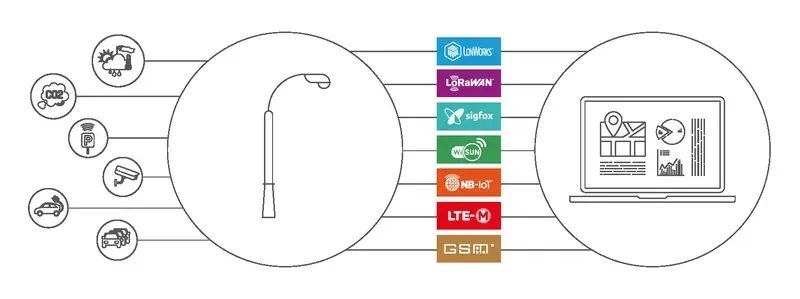
Beyond simply illuminating pathways, a true Smart Streetlight Solution represents a sophisticated integration of hardware, software, and communication technologies, transforming passive fixtures into active, intelligent nodes within a city's infrastructure. It's about creating a dynamic lighting network that responds to real-time conditions, optimizes energy consumption, enhances public safety, and provides a platform for future urban development. Understanding the core components and functionalities is crucial to grasping the transformative potential of these systems.
A comprehensive Smart Streetlight Solution is characterized by several key functionalities and the underlying technologies that enable them:
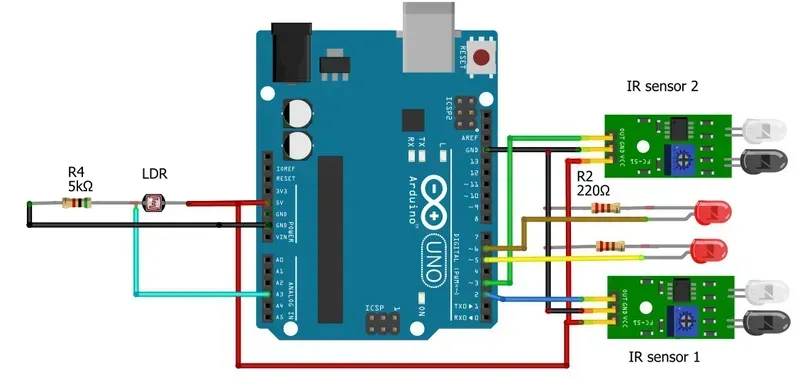
At the heart of every sophisticated Smart Streetlight Solution lies the Printed Circuit Board (PCB). More than just a connector of components, the PCB serves as the central nervous system, facilitating the complex interplay between power management, communication modules, sensors, and LED drivers. For a smart streetlight to function reliably and efficiently in diverse and often harsh urban environments, the underlying PCB must meet stringent technical demands, making its design and manufacturing a critical factor in the overall system's performance and longevity. Without a robust and precisely engineered PCB, the advanced functionalities like adaptive lighting, remote monitoring, and data transmission inherent in a Smart Streetlight Solution would simply not be possible.
Designing PCBs for Smart Streetlight Solutions presents unique challenges. These boards are exposed to a wide range of temperatures, humidity, and potential physical stress. Key considerations for these applications include:
The reliability and performance of a Smart Streetlight Solution are directly proportional to the quality of its PCBs. A poorly designed or manufactured PCB can lead to system failures, reduced lifespan, increased maintenance costs, and compromised functionality. Therefore, partnering with a PCB provider with expertise in robust and complex designs for demanding outdoor applications is essential for successful Smart Streetlight Solution deployments. Zero One Solution Limited's specialization in rapid prototyping and high-quality PCB manufacturing is particularly valuable in this context, enabling the swift development and testing of innovative smart streetlight technologies.
Implementing a Smart Streetlight Solution delivers a cascade of tangible benefits for municipalities and their residents, fundamentally transforming urban environments beyond mere illumination. These solutions significantly cut energy consumption and operational expenses through intelligent automation, bolster public safety with integrated surveillance and emergency response capabilities, and contribute substantially to environmental sustainability. The comprehensive return on investment makes adopting a smart streetlight solution a strategic imperative for forward-thinking cities globally.
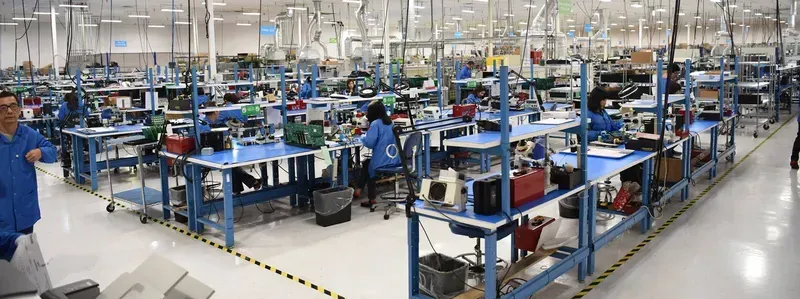
At the forefront of urban technology, Zero One Solution Limited stands as a pivotal enabler for the next generation of Smart Streetlight Solutions. Recognizing that the reliability and performance of these complex systems hinge critically on their foundational electronics, we specialize in providing the high-quality Printed Circuit Board (PCB) design, manufacturing, and assembly services essential for robust, interconnected smart streetlights. Our expertise allows innovators in the smart city sector to translate ambitious designs into functional, durable hardware capable of operating reliably in challenging outdoor environments and integrating diverse IoT functionalities seamlessly.
Developing advanced smart streetlights involves overcoming significant technical hurdles, from ensuring thermal management for powerful LEDs and integrated electronics to supporting diverse communication protocols and sensor arrays. Zero One Solution Limited's rapid prototyping and one-stop service model are specifically tailored to address these challenges, accelerating the development lifecycle for smart urban infrastructure projects. We empower clients to quickly iterate on designs, move from concept to production efficiently, and deploy cutting-edge Smart Streetlight Solutions that drive energy efficiency, enhance public safety, and support broader smart city initiatives.
The journey towards smarter, more sustainable cities is a complex one, but with advanced Smart Streetlight Solutions, a significant leap forward is achievable. By integrating innovative PCB technology, Zero One Solution Limited empowers urban planners and developers to build resilient, energy-efficient, and responsive urban environments. Our expertise in rapid prototyping and one-stop PCB services ensures that your smart city initiatives are not just conceptualized but efficiently brought to fruition. Ready to illuminate your city's future with intelligent infrastructure? Partner with Zero One Solution Limited to transform your urban landscape. Contact us today to discuss how our bespoke PCB solutions can power your next smart city project.

