Ultimate Guide to High Voltage Capacitors: Types, Applications, and Safety
2025.01.30
Imagine a world without the smooth flow of power to your devices, or the capability to store energy for later use. High voltage capacitors, those unassuming components, play a critical role in many areas of modern technology, from industrial equipment to renewable energy and even your everyday microwave oven. These components, designed to handle significant voltages, are vital for efficient power management and energy storage. In this article, we will uncover everything you need to know about high voltage capacitors, their applications and safety aspects, giving you a comprehensive understanding of these unsung heroes of power electronics.
What is a High Voltage Capacitor?
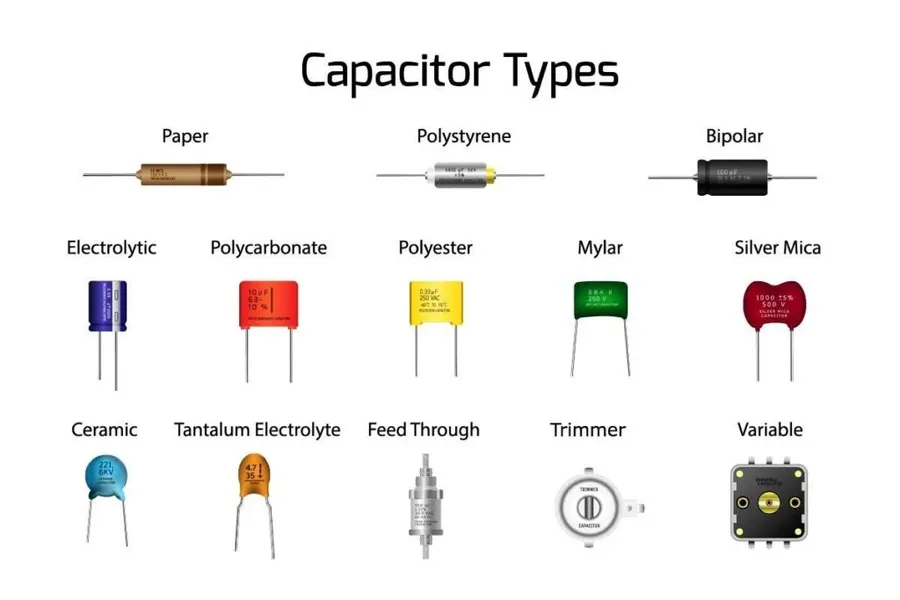
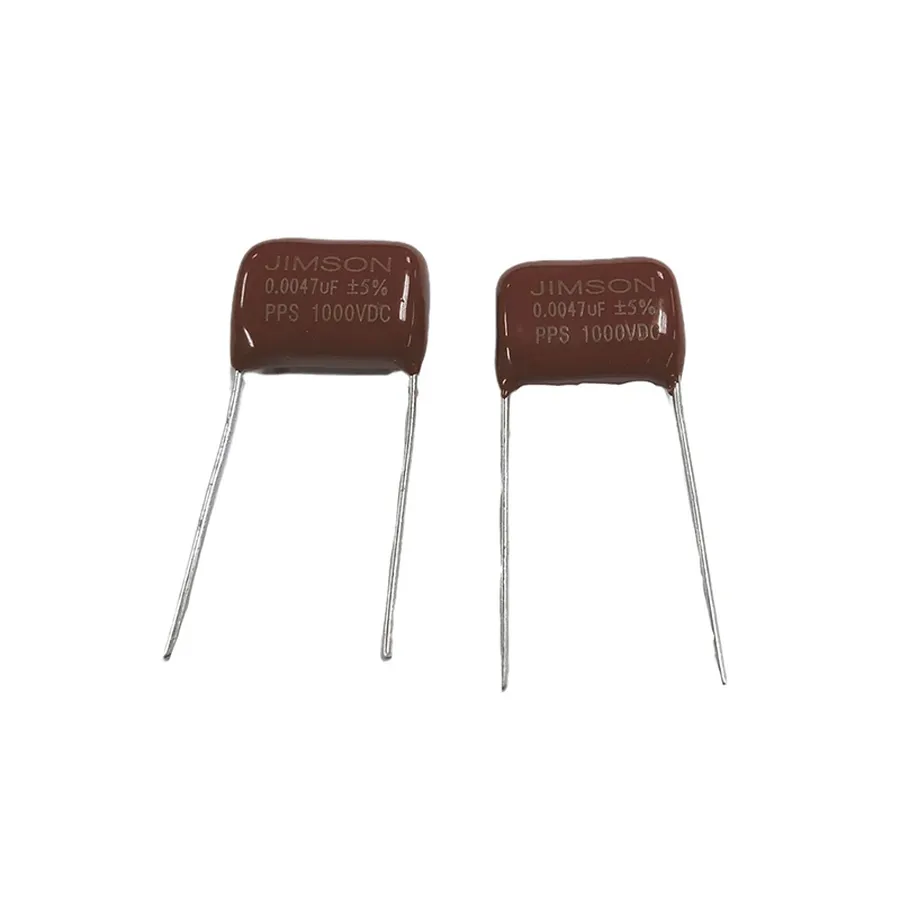
High voltage capacitor
A high voltage capacitor is a specialized energy storage device meticulously engineered to operate reliably and efficiently at significantly elevated voltage levels, surpassing the capabilities of standard capacitors. These components are critical in applications requiring robust electrical performance under high stress conditions, making them indispensable in modern electronics and power systems.
Key characteristics of high voltage capacitors include their enhanced voltage ratings, often measured in kilovolts (kV) or even megavolts (MV), and specialized construction designed to withstand these extreme electrical stresses. Unlike standard capacitors, which typically operate at much lower voltages, high voltage variants require specific materials and configurations to prevent electrical breakdown, arcing, and catastrophic failure. These capacitors are commonly used in high-power systems, pulsed power applications, and high-frequency environments, playing a vital role in power conditioning, energy storage, and surge protection.
Different Types of High Voltage Capacitors
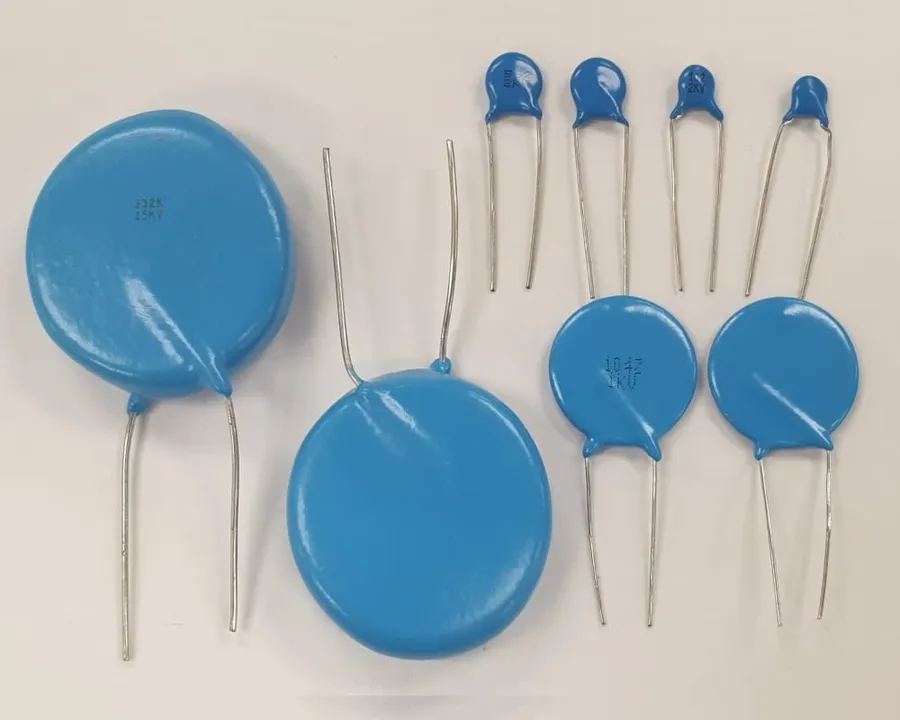
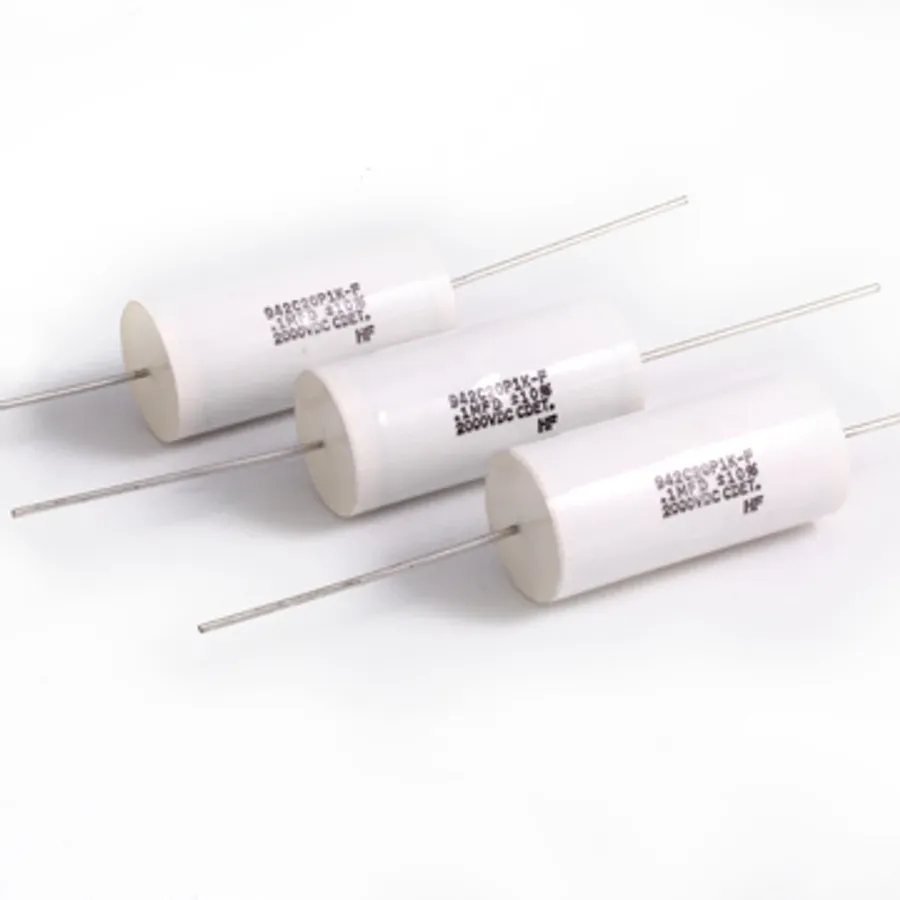
Various High voltage capacitors
High voltage capacitors are essential components in numerous applications, and their design varies significantly depending on the specific requirements. Different dielectric materials and construction methods result in capacitors optimized for different operating conditions and performance characteristics. Understanding these variations is crucial for selecting the appropriate capacitor for a given application.
Type
Dielectric Material
Voltage Range
Temperature Range
Key Applications
Advantages
Disadvantages
Ceramic
Ceramic (e.g., Barium Titanate)
Medium to High (kV)
-55°C to +125°C
High-frequency circuits, X-ray machines, power supplies
Good stability, high pulse handling, self-healing properties
Larger size compared to ceramics, higher cost
Oil-Filled
Impregnated Paper or Polymer Films with Mineral Oil
High to Very High (kV)
-40°C to +85°C
Power transmission, industrial equipment, pulsed power
Excellent voltage and surge handling, high energy density
Bulky, potential for oil leaks, require specific handling
Pulse
Specialized Polymer Films or Ceramic Materials
High (kV) - very High (MV)
-40°C to +85°C
High-energy pulsed power systems (e.g., lasers, radar)
Very high peak current capability, fast discharge rate
Limited capacitance, expensive, specific discharge requirements
Applications of High Voltage Capacitors
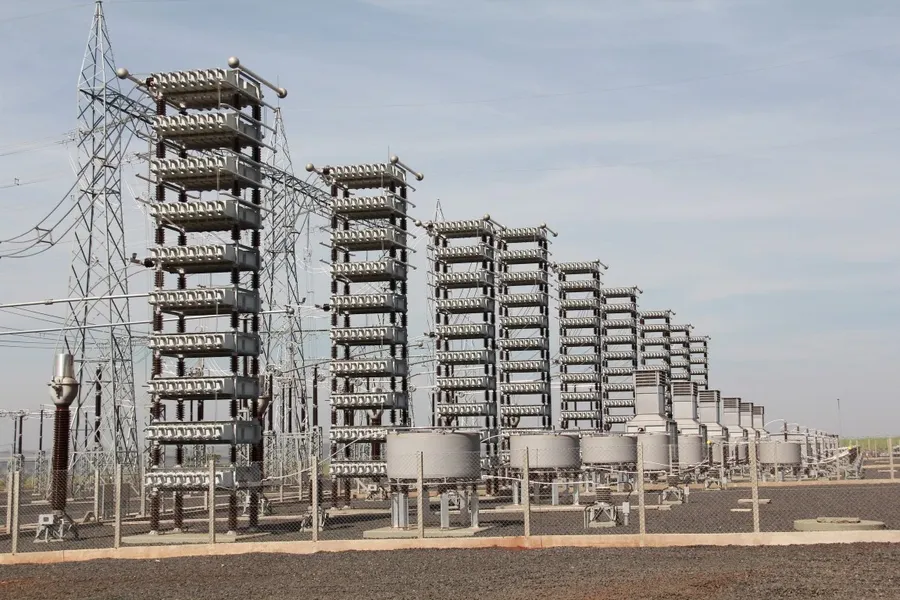
High voltage capacitors in substation
High voltage capacitors are critical components in a wide array of applications, owing to their capacity to store and release significant electrical energy at elevated voltage levels. Their indispensable role spans across numerous sectors, from ensuring the stability of power grids to enabling advanced functionalities in medical and industrial equipment.
Power Transmission and Distribution In power systems, high voltage capacitors are crucial for power factor correction, enhancing the efficiency of electricity transmission. They also play a vital role in voltage stabilization, preventing voltage fluctuations in the grid, and improving the overall reliability of the power supply.
Medical Equipment High voltage capacitors are fundamental components in medical imaging devices like X-ray machines and defibrillators. They provide the necessary high-energy bursts for these applications, playing a key role in diagnostics and life-saving treatments.
Industrial Lasers and Welding In industrial settings, high voltage capacitors are essential for laser systems and welding equipment. They deliver the pulsed power required for these processes, guaranteeing consistent and reliable performance.
Pulsed Power Applications High voltage capacitors are central to pulsed power systems, which include radar systems, particle accelerators, and electromagnetic pulse (EMP) generators. They provide the rapid discharge of high energy needed for these applications.
Aerospace and Defense In aerospace and defense, high voltage capacitors are used in various applications such as radar systems, electronic warfare equipment, and directed energy weapons. Their reliability under harsh conditions is vital for mission success.
Renewable Energy Systems High voltage capacitors are being utilized in renewable energy systems, such as wind and solar power plants, for grid integration and stabilization of the power generated. Their capacity to handle fluctuating power inputs is particularly valuable in these systems.
High Voltage Capacitor Specifications and Parameters
Understanding the specifications and parameters of high voltage capacitors is crucial for their effective and safe implementation. These parameters dictate the capacitor's performance, lifespan, and suitability for various applications. Key specifications include voltage rating, capacitance, temperature range, and tolerance, each playing a vital role in the capacitor's operation.
Parameter
Description
Importance
Voltage Rating
The maximum voltage the capacitor can withstand without failure. Typically specified as DC voltage, but AC voltage ratings may also be present.
Exceeding this rating can lead to dielectric breakdown, component failure, and safety hazards. Proper selection ensures reliable operation and prevents damage.
Capacitance
The ability of a capacitor to store electrical charge, measured in Farads (F). Common units include microfarads (µF) and picofarads (pF).
Determines the amount of charge the capacitor can store and, thus, its effectiveness in energy storage or filtering applications. Needs to match the application's electrical requirements.
Temperature Range
The operational temperature range the capacitor can withstand without performance degradation. Specified in degrees Celsius (°C).
Extreme temperatures can affect capacitor performance, potentially leading to capacitance drift, reduced lifespan, or failure. Operation outside the range can lead to premature wear.
Tolerance
The permissible deviation from the nominal capacitance value. Specified as a percentage.
Indicates the accuracy of the capacitance value. Critical in precision applications where consistent performance is required. Higher tolerance values indicate less precision.
Equivalent Series Resistance (ESR)
The effective resistance of the capacitor, which contributes to power losses.
Lower ESR values translate to more efficient performance. High ESR values can result in higher heat generation, reduced efficiency, and, in some cases, thermal runaway.
Dielectric Material
The insulating material between the capacitor plates (e.g., ceramic, film, oil, tantalum).
Dictates key characteristics, including temperature stability, voltage rating, and capacitance value. Select according to requirements of the application.
High Voltage Capacitor Safety Considerations
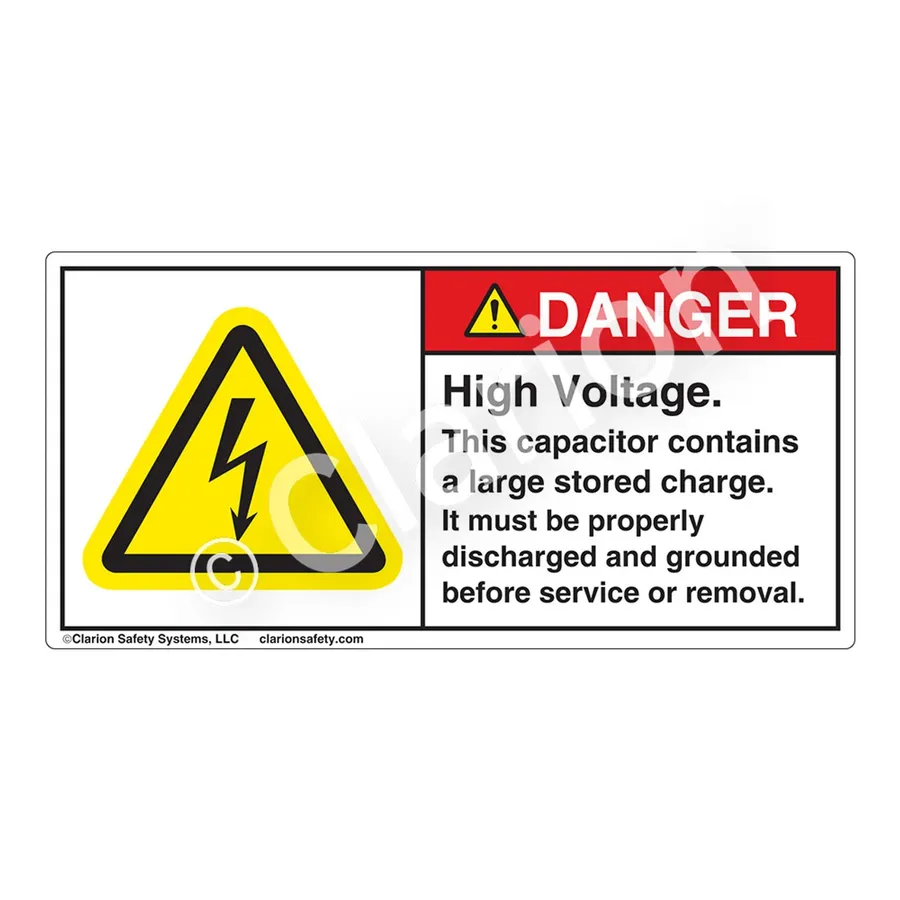
Safety warning label
Working with high voltage capacitors demands strict adherence to safety protocols due to their capacity to store substantial electrical energy, even when disconnected from a power source. This stored energy can pose significant risks, including electrical shock, burns, and damage to equipment if not handled properly. This section details essential safety precautions for managing these components, encompassing handling procedures, discharge methods, and responses to component failures.
Handling Precautions Always treat high voltage capacitors as charged, regardless of their apparent state. Wear appropriate personal protective equipment (PPE), including insulated gloves and safety glasses, when handling. Avoid contact with terminals or conductive parts of the capacitor. Use insulated tools designed for high voltage work.
Discharge Procedures Before handling, discharge the capacitor using a high voltage resistor of appropriate value and wattage, and never short circuit it directly. Verify that the capacitor is fully discharged with a multimeter before continuing with any work. A suitable discharge resistor ensures that the energy is dissipated safely and gradually. Always allow adequate time for the discharge to occur.
Component Failure Response In the event of a component failure (such as bulging, leakage, or visible damage), immediately disconnect the power and allow the capacitor to fully discharge. Treat the failed capacitor with extreme caution as its internal components may be compromised. Dispose of the failed component in accordance with local regulations for electronic waste. Ensure that the area is safe and ventilated if there has been a leak.
Environmental Control Work in a clean and dry environment to reduce the risk of accidental discharge. Avoid moisture or conductive materials near high voltage capacitors. Ensure the workspace is well lit and free from obstructions, promoting clear visibility and maneuverability when handling the components.
Storage Safety When storing high voltage capacitors, ensure they are fully discharged and stored in a safe, dry environment away from direct sunlight and extreme temperatures. Use appropriate antistatic packaging to prevent damage. Clearly label the storage location to alert others of the presence of potentially hazardous components.
Selecting the Right High Voltage Capacitor
High voltage capacitor selection
Selecting the appropriate high voltage capacitor is crucial for ensuring the reliability and safety of any high-voltage system. This selection process involves a careful consideration of several key factors, primarily voltage rating, capacitance, frequency requirements, and operational environment, to meet specific project needs.
Here's a detailed breakdown of the key considerations:
Voltage Rating The capacitor's rated voltage must be significantly higher than the maximum voltage expected in the application to ensure safe operation and prevent premature failure due to dielectric breakdown. A safety margin of at least 20% is recommended.
Capacitance The capacitance value, measured in farads (F), must match the application's requirements. It dictates how much charge the capacitor can store. Consider the time constant (RC) requirements for the circuit, where R is resistance. The ideal capacitance will provide the necessary energy storage or filtering capability.
Frequency Characteristics Capacitors exhibit varying impedance with frequency. The equivalent series resistance (ESR) and equivalent series inductance (ESL) become important at higher frequencies and can affect the performance. For high frequency applications, choose low ESR and ESL capacitors, such as ceramic or film capacitors.
Temperature Range Capacitor performance is temperature-dependent. Ensure the operational temperature range is compatible with the environmental conditions of the application, including both ambient temperatures and the potential for self-heating due to internal losses.
Type of Capacitor Different capacitor types, such as ceramic, film, electrolytic, and oil-filled, have different characteristics that make them suitable for various applications. Ceramic capacitors offer low ESR and good high-frequency performance but have limited capacitance values. Film capacitors are generally good for high voltage and temperature applications, with good stability. Oil-filled capacitors offer high voltage and high energy storage. Electrolytic capacitors, are typically not suitable for high voltage applications.
Physical Dimensions and Mounting Ensure that the physical size, lead spacing, and mounting configuration meet the requirements of your application and assembly process. The size of the device directly correlates with its capabilities.
Safety Certification Where relevant, look for capacitors that comply with relevant safety standards (UL, IEC, etc.). These certifications indicate that the capacitor has been tested for safety and performance and is suitable for use in your specific application. This is critical in high voltage systems where components can fail catastrophically if not handled properly.
Dielectric Material The dielectric material impacts many characteristics of a capacitor including its operating temperature, stability, and voltage handling capability. For high voltage applications, materials such as polypropylene, polyester, ceramic, or even oil are commonly used for their dielectric strength.
By carefully evaluating these factors, engineers can select high voltage capacitors that provide optimal performance, reliability, and safety within a variety of applications and environmental conditions.
Frequently Asked Questions About High Voltage Capacitors
This section addresses common questions regarding high voltage capacitors, providing concise and authoritative answers to enhance understanding of their operation, selection, and safety.
What is a high voltage capacitor? A high voltage capacitor is a capacitor specifically designed to operate reliably and safely under high voltage conditions. It is characterized by its ability to withstand significantly higher electrical stress compared to standard capacitors, crucial for applications involving high power and voltage levels.
What is the maximum voltage a high voltage capacitor can hold? The maximum voltage a capacitor can hold is defined by its voltage rating, which varies significantly based on the capacitor type and construction. Exceeding this rating can lead to dielectric breakdown, potentially causing irreversible damage or failure of the capacitor. Manufacturers specify voltage ratings based on rigorous testing and material limits. Selecting a capacitor with an adequate voltage margin is crucial for reliability and safety.
What does a high voltage capacitor bank do? A high voltage capacitor bank is a group of capacitors connected in series, parallel, or a combination thereof, to achieve a desired total capacitance and voltage rating. These banks are used to store large quantities of electrical energy, to provide power factor correction or pulse power for applications such as industrial machinery, medical devices, and research equipment.
Which capacitor type is preferred for high voltage applications? The preferred capacitor type for high voltage applications varies based on specific requirements like voltage rating, capacitance, frequency response, and operating environment. Film capacitors, ceramic capacitors (especially Class 1 types), and oil-filled capacitors are commonly used. For very high voltage applications, specialized designs with reinforced insulation and dielectrics are needed. Selection depends on the application's constraints.
Are high voltage capacitors dangerous? High voltage capacitors can be dangerous if not handled properly. They store significant electrical energy, which can cause severe electric shock or burns. Safety procedures, such as proper discharge techniques, use of insulated tools, and understanding their specifications, are essential when handling these devices.
How do I safely discharge a high voltage capacitor? To safely discharge a high voltage capacitor, use a resistor with an appropriate voltage and power rating. Connect the resistor across the capacitor terminals, allowing the stored charge to dissipate gradually. Verify complete discharge using a voltmeter before handling. Never short-circuit the terminals directly, as this could cause damage and create a safety hazard. Use specifically designed discharge tools for added safety.
What factors influence the lifespan of a high voltage capacitor? The lifespan of a high voltage capacitor is influenced by several factors, including operating temperature, voltage stress, ripple current, and the quality of materials and manufacturing processes. Elevated temperatures, excessive voltage spikes, and higher ripple currents accelerate degradation and can lead to premature failure. Regular maintenance, proper operating conditions, and choosing the correct capacitor for the application are key to longevity.
High Voltage Capacitor Maintenance and Troubleshooting
Maintaining and troubleshooting high voltage capacitors is crucial for ensuring their longevity and reliable performance. Proper maintenance includes regular visual inspections and electrical testing, while troubleshooting involves identifying and resolving performance issues. These steps are essential to prevent unexpected failures and ensure the safe operation of equipment utilizing these components.
Visual Inspection Perform regular visual checks for signs of damage, such as bulging cases, leaks, or discoloration. These indicators often point to internal issues or excessive stress and may require immediate attention.
Discharge Before Handling Always ensure that high voltage capacitors are fully discharged before any maintenance or inspection. This will mitigate the risk of electric shock or equipment damage. Use appropriate discharge tools and techniques.
Capacitance Testing Measure the capacitance using an LCR meter to verify that it is within the manufacturer's specifications. A significant deviation may indicate degradation or impending failure.
Insulation Resistance Testing Check the insulation resistance to ensure that there is no current leakage which might compromise performance. Reduced insulation resistance can increase the risk of failures, particularly under high voltage operations.
Leakage Current Measurement Measure leakage current, which should be minimal. Elevated leakage current often signifies a breakdown in the dielectric material, possibly leading to reduced efficiency and potential safety issues.
Temperature Monitoring Monitor the operating temperature of the capacitors. Overheating can significantly shorten their lifespan, leading to performance degradation and potential safety hazards.
Symptom
Possible Cause
Troubleshooting Step
Reduced Capacitance
Degradation of dielectric material or internal damage.
Replace the capacitor, verify proper operating conditions.
Increased Leakage Current
Breakdown of the dielectric material or insulation failure.
Check and replace the capacitor, inspect for overvoltage or thermal issues.
Overheating
Excessive operating voltage or ambient temperature or poor air circulation.
Ensure the capacitor operates within specified conditions, check cooling solutions.
Bulging or Leaking Case
Internal pressure buildup due to excessive heat or breakdown.
Immediately replace the capacitor and identify and correct the operating cause.
Unstable Performance
Intermittent internal failures or connection problems.
Check the connections, if the issue persists replace the capacitor
Future Trends in High Voltage Capacitor Technology
Future high voltage capacitor
The field of high voltage capacitor technology is undergoing rapid evolution, driven by the increasing demands for efficient energy storage and power delivery systems. Innovations in materials science and capacitor design are paving the way for higher energy densities, improved temperature stability, and enhanced reliability. These advancements are critical for supporting emerging applications in renewable energy, electric vehicles, and advanced power electronics.
Advanced Materials Research is focusing on novel dielectric materials with higher permittivity and breakdown strength. Nanomaterials, such as graphene and carbon nanotubes, are being explored to enhance conductivity and reduce capacitor size and weight. This includes the use of new polymers and ceramics with superior thermal and electrical properties to replace existing materials which may be limited by their performance at high voltages and temperatures.
Innovative Designs New capacitor designs are emerging to improve energy storage density and thermal management, such as multi-layered ceramic capacitors and micro-scale capacitors. These advanced designs aim to reduce equivalent series resistance (ESR) and inductance, thereby enhancing high-frequency performance and efficiency of high voltage capacitors. Furthermore, research into self-healing capacitors using advanced polymers is promising to enhance the lifetime and reliability.
Increased Energy Density A primary goal is to increase energy density while maintaining safety and reliability. This involves improving both the dielectric material and the electrode configuration. Methods like three-dimensional structures and optimized electrode spacing are being developed. Advanced manufacturing processes such as additive manufacturing are gaining attention to achieve higher consistency and precision in capacitor fabrication.
Integration with Smart Grids The integration of high-voltage capacitors with smart grids is expected to grow in importance. These capacitors will play a crucial role in voltage stability, harmonic filtering, and improving overall grid efficiency. Intelligent monitoring and control systems are being coupled with advanced capacitors to optimize performance and enhance system reliability. Integration with energy management systems will ensure high voltage capacitors work effectively with other grid elements.
Focus on Sustainability The industry is also moving towards sustainable practices, including using more environmentally friendly materials and manufacturing processes to minimize ecological impact. This encompasses reducing the use of hazardous materials and improving capacitor recyclability, aligning with global environmental sustainability goals. Research into biodegradable and eco-friendly materials for capacitors is growing and will contribute to long-term ecological benefits.
High voltage capacitors are at the core of modern power electronics. Their ability to store and release energy at high voltages makes them indispensable in a wide range of applications. From the smooth operation of industrial machinery to the advancement of renewable energy systems, high voltage capacitors are fundamental components for a technologically advanced society. As technology continues to evolve, we can expect to see even more innovative and versatile applications for high voltage capacitors, solidifying their central role in our future. Understanding their principles, types, and safety protocols will enable us to leverage these critical devices efficiently and responsibly.