In our increasingly tech-driven world, active electronics are the unsung heroes powering everything from smartphones to complex aerospace systems. Unlike their passive counterparts, these components can control and amplify electrical signals, making them fundamental to modern circuit design. This article will dissect the core concepts of active electronics, examining their various applications, the different components involved and offer a glimpse into the exciting future of this dynamic field.
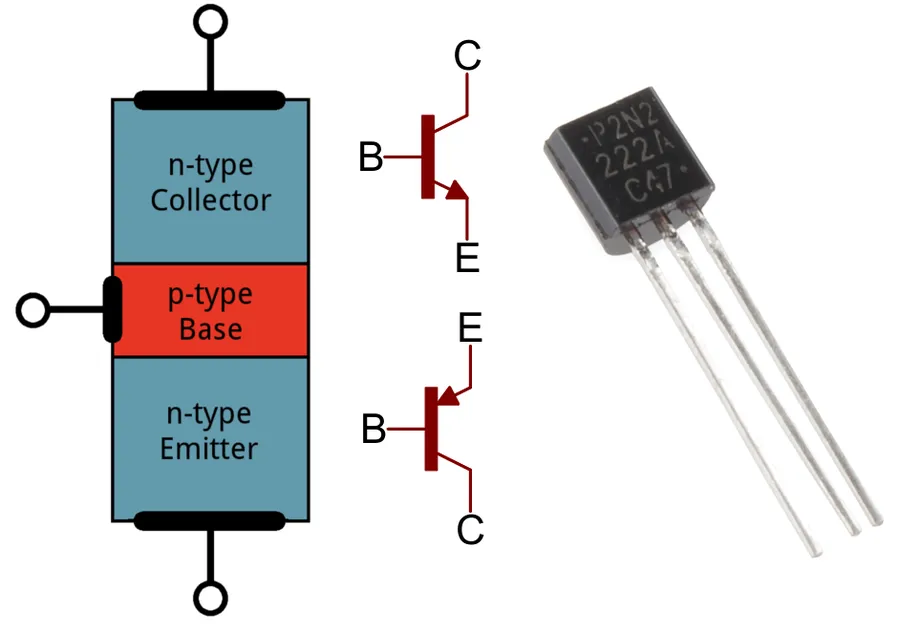
Active electronic components are the fundamental building blocks of modern electronic circuits, distinguished by their capacity to control the flow of electrical energy, perform signal amplification, and introduce gain into a system, requiring an external power source to operate. Unlike passive components, which only store or dissipate energy, active components actively manipulate electrical signals, making them essential for complex electronic functions.
The core difference between active and passive components lies in their interaction with electrical energy. Passive components like resistors, capacitors, and inductors simply react to the current and voltage applied to them, whereas active components such as transistors, diodes, and integrated circuits (ICs) can modify the electrical signals, by amplifying, switching, rectifying, or modulating them. This active behavior is what enables advanced functions in electronic circuits.
For instance, a transistor, a cornerstone of active electronics, can act as a switch, opening or closing a circuit based on a control signal, or as an amplifier, boosting the power of an incoming signal. Similarly, diodes, while also found in passive circuits, exhibit active behavior when used for rectification or emitting light in LEDs. Integrated circuits, comprising numerous interconnected active components, perform complex computations and control functions, illustrating the sophisticated applications achievable through active electronics. Understanding the capabilities of these components is crucial for designing and troubleshooting electronic systems.
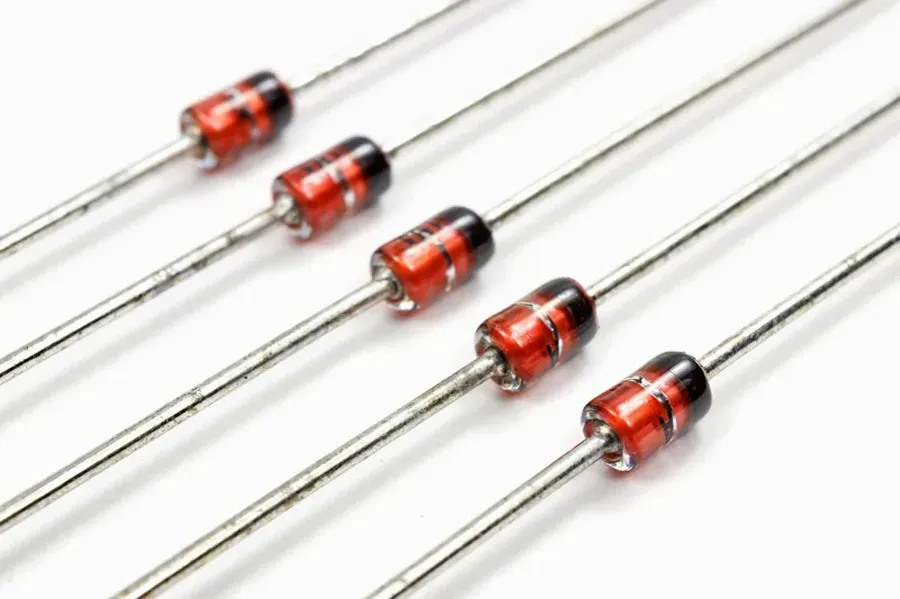
Active electronic components are the fundamental building blocks of modern electronics, enabling signal control, amplification, and power conversion. These components require an external power source to operate and perform their intended functions. This section delves into the most prevalent types of active components, elucidating their unique characteristics, functions, and applications.
| Component Type | Description | Function | Examples |
|---|---|---|---|
| Transistors | Semiconductor devices used to amplify or switch electronic signals and electrical power. | Amplification, switching, signal modulation. | Bipolar Junction Transistors (BJTs), Metal-Oxide-Semiconductor Field-Effect Transistors (MOSFETs) |
| Diodes | Two-terminal semiconductor devices that primarily allow current to flow in one direction. | Rectification, light emission, voltage regulation, signal clipping. | Rectifier diodes, Light Emitting Diodes (LEDs), Zener diodes, Schottky diodes |
| Integrated Circuits (ICs) | Miniaturized electronic circuits built on a single semiconductor substrate. | Signal processing, logic operations, memory storage, power management. | Operational Amplifiers (Op-Amps), Microprocessors, Logic Gates, Memory Chips |
Understanding the nuances of each component type is critical for effective circuit design and implementation. The following sections provide a more detailed explanation for each.
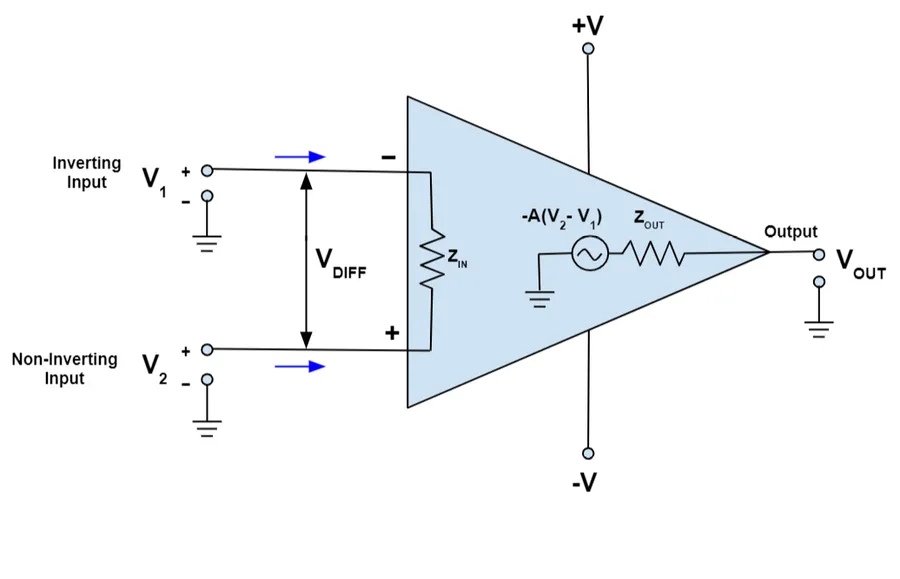
Active electronic components are fundamental to signal manipulation within circuits, achieving control, amplification, and power conversion. Unlike passive components that only modify signals, active components introduce energy into the circuit, enabling them to perform complex operations. These capabilities hinge on their ability to modulate current flow using an external power source, which is essential for their functionalities.
Control mechanisms in active components are diverse, ranging from simple on/off switching to sophisticated modulation of current based on input signals. Amplification is achieved by leveraging the component's capacity to translate a small input signal into a larger output signal, effectively boosting signal strength without significantly altering its characteristics. Power conversion, another critical function, involves transforming electrical energy from one form to another, often facilitated by components like transistors in switching regulators. These functions invariably require an external power source to operate, differentiating them from passive components that merely alter existing signals.
| Function | Description | Mechanism | Power Source |
|---|---|---|---|
| Signal Control | Regulating the flow of electrical signals | Modulation of current flow based on input | External |
| Signal Amplification | Increasing the magnitude of a signal | Translating a small input to a larger output | External |
| Power Conversion | Changing the form of electrical energy | Transforming energy using components like transistors | External |
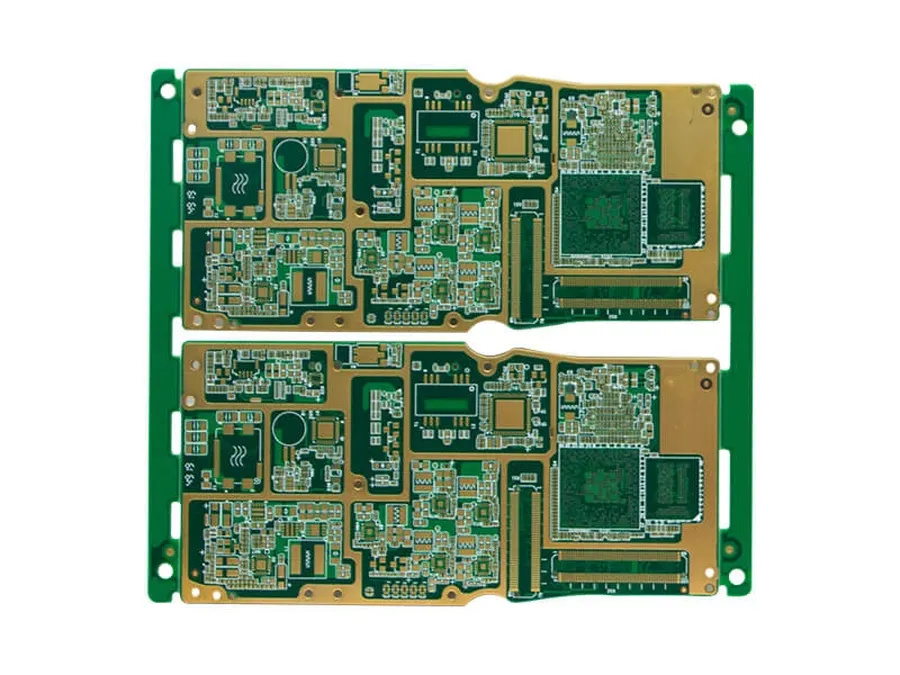
Active electronic components are the driving force behind the functionality of most modern everyday devices. Unlike passive components, which only react to electrical signals, active components can control, amplify, and switch these signals, making complex operations possible. Their presence is ubiquitous, ranging from the simple to the sophisticated, enabling the seamless operation of the technologies we rely on daily.
| Device Category | Specific Device | Active Components Used | Function within Device |
|---|---|---|---|
| Smartphones | Modern smartphone | Microprocessors, transistors, diodes, integrated circuits (ICs) | Processing user commands, managing power, facilitating communication, image capturing, display control |
| Computers | Laptop computer | Microprocessors, memory chips (RAM, ROM), graphics processing units (GPUs), power management ICs | Data processing, memory storage, graphics rendering, overall system control |
| Televisions | Smart TV | Microprocessors, display drivers, audio amplifiers, signal processors | Image display, audio output, signal decoding, smart functionality control |
| Automotive Systems | Modern Vehicle | Microcontrollers, sensors, power transistors, communication ICs, engine control units (ECUs) | Engine management, safety systems (ABS, airbags), infotainment, driver assistance features |
| Home Appliances | Washing Machine | Microcontrollers, motor drivers, power switching devices | Control of wash cycles, speed and water levels, motor and pump control |
These examples are just a small fraction of how crucial active electronic components have become. Each application demonstrates the diverse functionalities of these components in everyday life. Without them, the level of technological sophistication we take for granted would be unattainable.
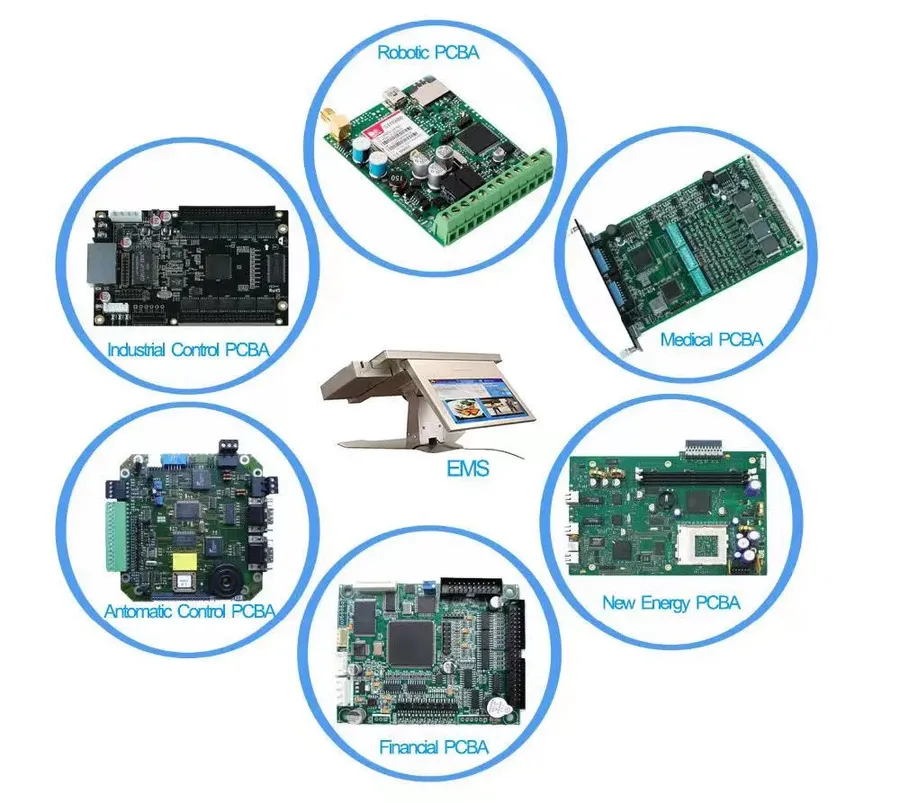
Active electronics are indispensable in specialized industries where precision, reliability, and performance are paramount. These sectors leverage the unique capabilities of active components to achieve complex functionalities that passive components alone cannot provide. The stringent requirements of these industries necessitate robust designs and meticulous manufacturing processes.
Below are some key sectors that leverage active electronics:
| Industry | Active Electronics Application | Key Requirements | Example Components |
|---|---|---|---|
| Aerospace | Flight control, navigation, communication | High reliability, radiation resistance, temperature tolerance | Microprocessors, sensors, RF transceivers |
| Defense | Radar, communication, weapon systems | Security, robustness, custom designs | High-performance processors, RF amplifiers, specialized sensors |
| Medical Devices | Diagnostic equipment, therapeutic devices, monitoring systems | Safety, precision, low power consumption | Microcontrollers, signal processing circuits, biosensors |
| Industrial Automation | Process control, robotics, motor drives | Reliability, robustness in harsh environments | Processors, actuators, sensors |
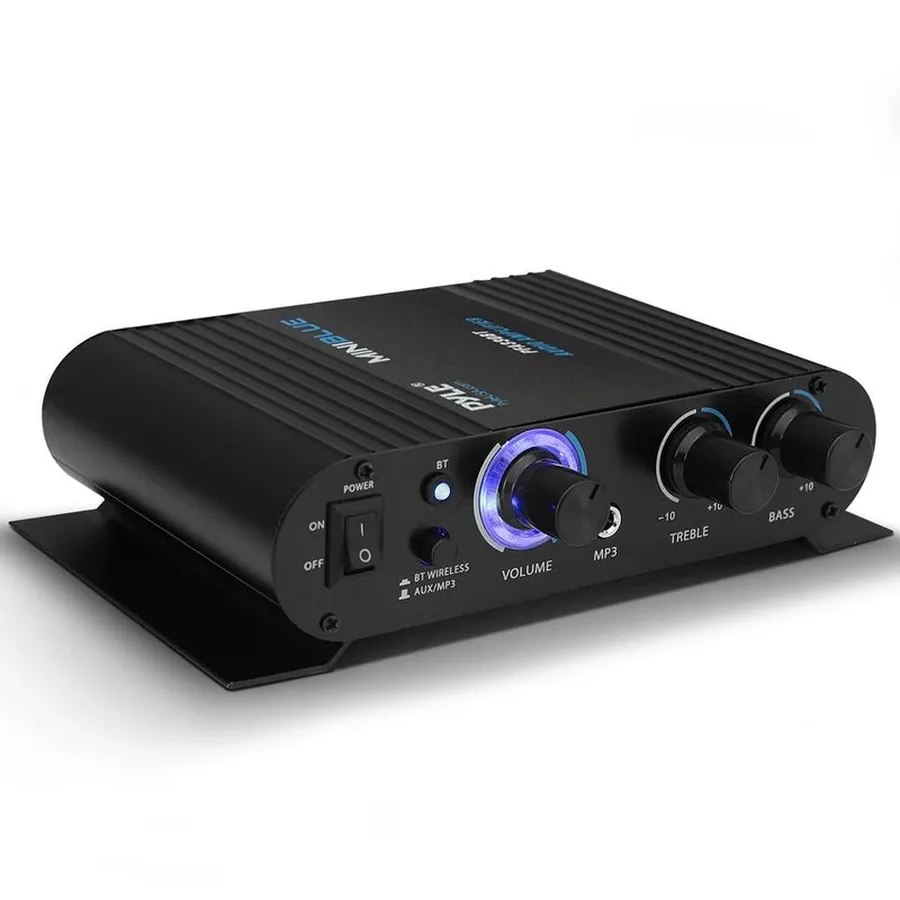
Active electronics play a pivotal role in audio systems, enabling the manipulation and enhancement of sound signals. Components like transistors, operational amplifiers (op-amps), and integrated circuits (ICs) are fundamental in devices such as amplifiers, preamplifiers, and equalizers, facilitating crucial functions from signal boosting to tone shaping.
These active devices, requiring an external power source, overcome the limitations of passive components. In essence, the active elements manage the signal levels, control frequency response, and provide the power needed to drive speakers, headphones, or other audio output devices. They are essential for high-fidelity sound reproduction and creative sound design.
| Component | Function in Audio Systems | Key Characteristics |
|---|---|---|
| Transistors (BJT, MOSFET) | Amplification, switching | Current/voltage gain, impedance matching, linearity. |
| Operational Amplifiers (Op-Amps) | Amplification, filtering, summing | High gain, differential input, low output impedance. |
| Integrated Circuits (ICs) | Specialized audio processing (e.g., audio codecs, power amps) | Application-specific designs, miniaturized and efficient. |
| Diodes (rectifier, signal diodes) | Signal clipping, rectification (power supplies) | Forward voltage drop, reverse breakdown voltage, switching speed |
Specific applications within audio systems further illustrate the role of active electronics:
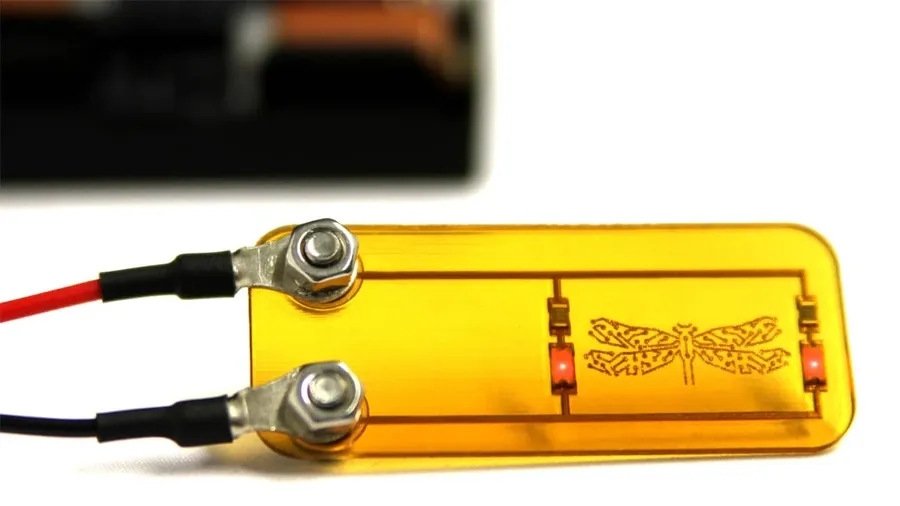
The field of active electronics is rapidly evolving, driven by advancements in materials science, manufacturing techniques, and application demands. Emerging trends such as 3D printing and the exploration of novel materials promise to revolutionize the design, fabrication, and performance of electronic devices, ushering in a new era of functionality and integration. These innovations are set to impact diverse sectors, from consumer electronics to specialized industrial and medical equipment.
| Trend | Description | Potential Impact |
|---|---|---|
| 3D-Printed Electronics | Additive manufacturing of electronic circuits and components using specialized inks and materials. | Faster prototyping, customized designs, reduced waste, and the potential for on-demand manufacturing of complex devices. |
| Advanced Materials | Development of new materials with superior electrical, thermal, and mechanical properties, including nanomaterials, flexible substrates, and biocompatible polymers. | Enhanced device performance, reduced size and weight, increased flexibility, and expanded application scope in fields like wearable technology and medical implants. |
| Flexible and Stretchable Electronics | Electronics built on flexible or stretchable substrates, allowing them to conform to complex shapes and withstand deformation. | New possibilities for wearable devices, sensors, and displays, enabling comfortable and unobtrusive integration with the human body or other curved surfaces. |
| Artificial Intelligence (AI) Integration | Embedding AI capabilities into active electronics for intelligent control, signal processing, and data analysis. | Increased automation, improved efficiency, predictive maintenance, and more sophisticated interactions in a wide range of applications, from industrial machinery to medical diagnostic tools. |
| Biocompatible Electronics | Design and fabrication of electronic components using biocompatible materials for applications in medicine and healthcare. | Development of implantable devices, prosthetics, and medical sensors that can interact with the human body safely and effectively, opening new avenues in therapeutic and diagnostic treatments. |
This section addresses common questions about active electronics, providing clear, concise answers to enhance understanding of their uses, limitations, and best practices.
Active electronics are the cornerstone of modern technology. From transistors to integrated circuits, these vital components control and amplify electrical signals, enabling the functionality of countless devices we rely on daily. With continuous innovation in 3D printing and materials science, the future of active electronics looks promising, poised to further revolutionize the electronics field and shape our interaction with the digital world. Understanding these components is crucial for anyone involved in the development, maintenance and application of electronic systems.

