Understanding CBB65 Capacitors: Your Comprehensive Guide [cbb65]
2025.01.31
In our modern world, capacitors are essential components of everyday electrical appliances, with the CBB65 capacitor playing a crucial role in the smooth operation of air conditioners and motors. Often overlooked, the CBB65 ensures efficient energy use by providing the necessary power boost to start and run these devices. Whether you're a homeowner or a seasoned technician, understanding the nuances of the CBB65 capacitor is key for maintaining optimal functionality in your equipment. This article delves into its intricacies, breaking down the technical jargon into simple concepts for everyone to grasp, shedding light on everything from its functionality to its variations and troubleshooting.
What is a CBB65 Capacitor?
CBB65 Capacitor
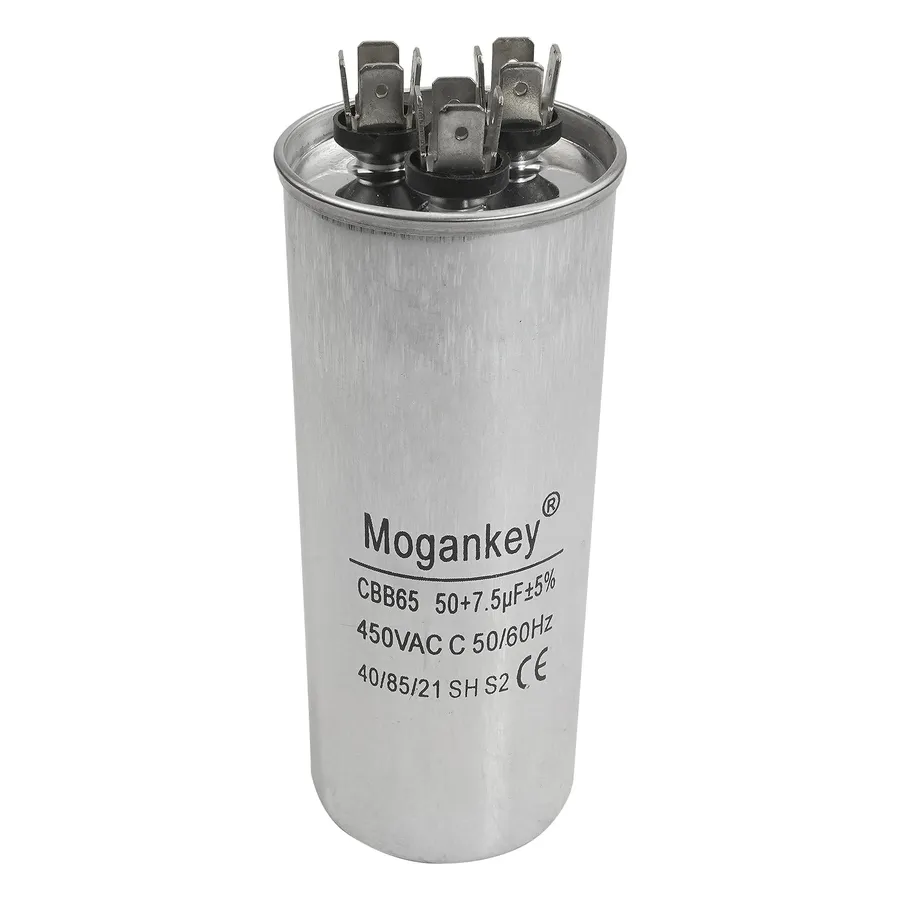
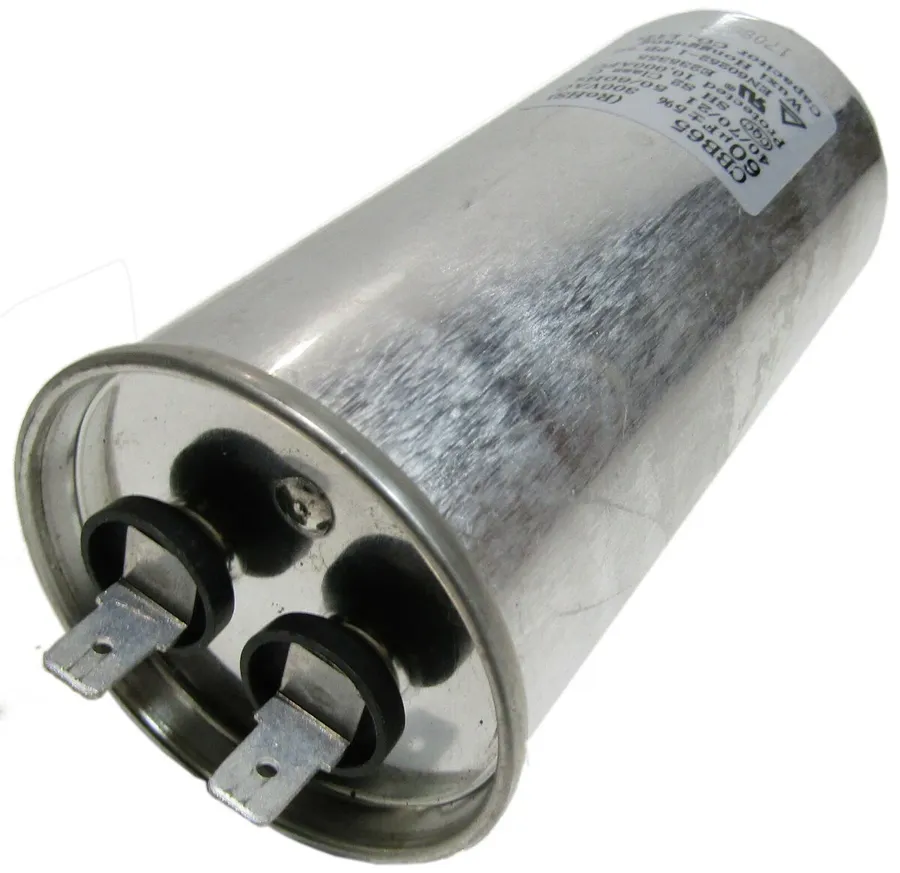
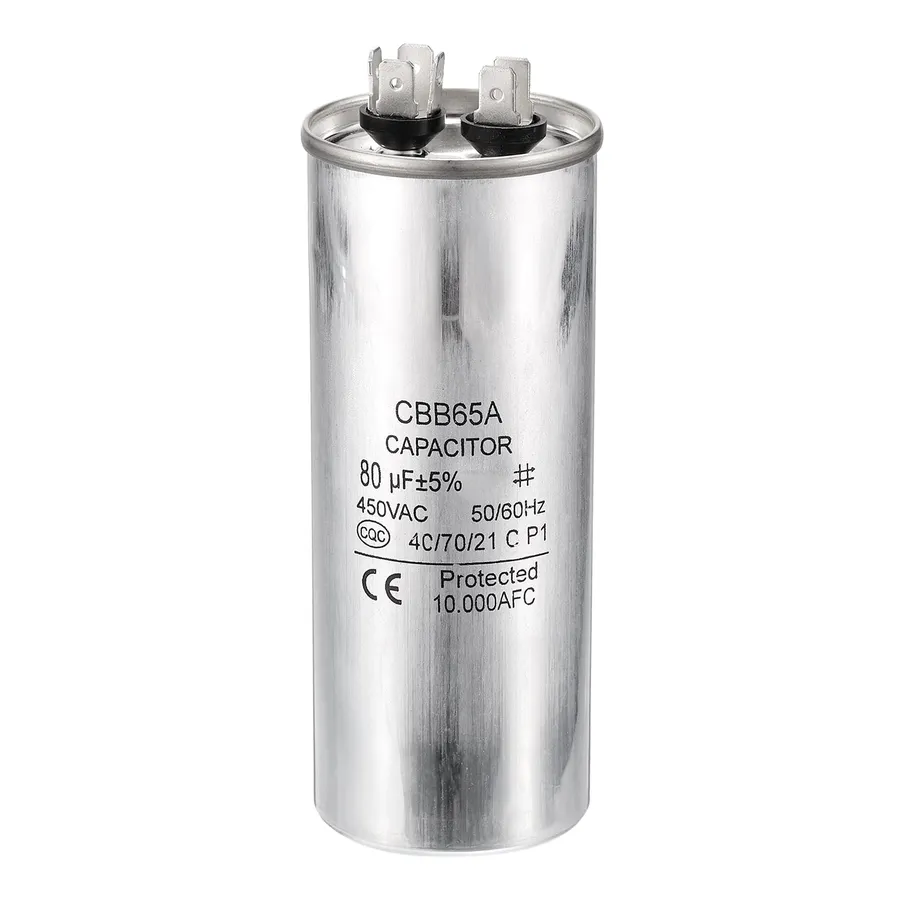
A CBB65 capacitor is a type of metallized film capacitor, specifically designed for AC (alternating current) applications, most commonly found in motor-run circuits. Its robust construction and electrical characteristics make it ideal for reliably starting and running electric motors, particularly in HVAC (Heating, Ventilation, and Air Conditioning) systems. The 'CBB' designation refers to the capacitor's internal structure using a metallized polypropylene film dielectric, ensuring high stability and long operational life.
The construction of a CBB65 capacitor includes the following key aspects:
Dielectric Material: Metallized polypropylene film is used as the dielectric. This material provides excellent electrical insulation properties, low loss, and high temperature tolerance, which are vital for the capacitor's performance.
Electrode Material: The electrodes are formed by a thin layer of metal (typically aluminum or zinc) directly deposited onto the dielectric film. This metallization process makes the capacitor self-healing, meaning it can recover from small insulation breakdowns. When a dielectric breakdown occurs, the thin metal layer around the fault is vaporized, thus isolating the fault and restoring the capacitor’s function.
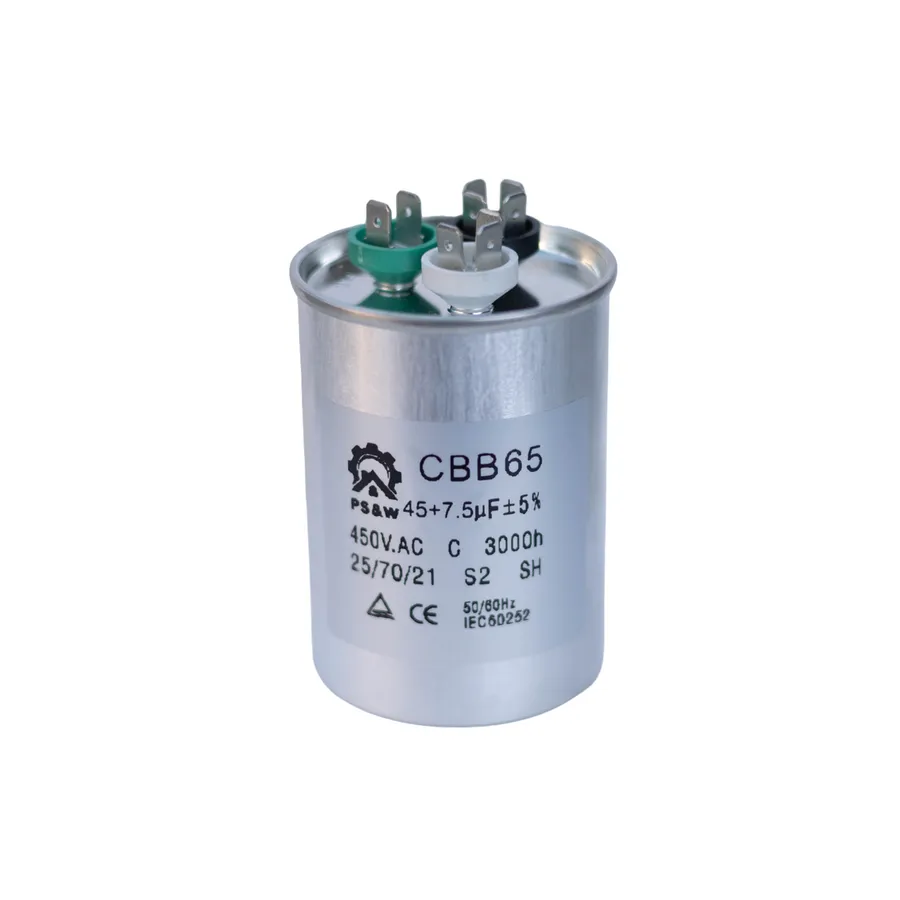
Housing and Encapsulation: The capacitor is usually housed in a cylindrical aluminum can which is often filled with a resin for additional insulation and protection from moisture. The ends are sealed to prevent environmental ingress and to secure the electrical connections.
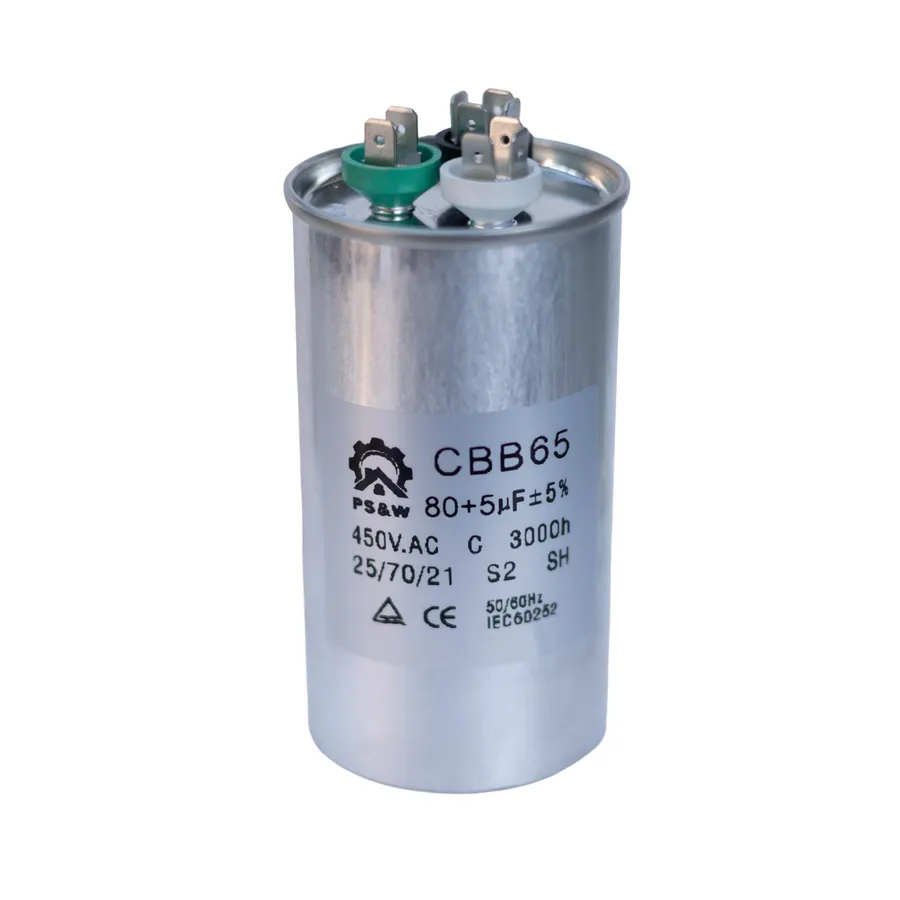
Terminals CBB65 capacitors usually come with blade-type or threaded stud terminals for easy electrical connection into circuits. They may have two or three terminals depending on whether they are single or dual capacitance capacitors.
CBB65 vs. CBB65B: Decoding the Differences
CBB65 vs CBB65B
While both CBB65 and CBB65B capacitors serve similar functions in AC circuits, primarily for motor start and run applications, the critical distinction lies in their specific design parameters, influencing their suitability for different operating conditions. Confusion between these two types is common, and using the wrong one can lead to performance issues or premature failure.
Feature
CBB65
CBB65B
Dielectric Material
Metallized Polypropylene Film
Metallized Polypropylene Film
Case Material
Typically Aluminum
Typically Aluminum
Temperature Rating
Typically -40°C to +70°C (or +85°C)
Typically -40°C to +85°C or higher
Internal Construction
Standard winding
Enhanced winding or internal construction for improved reliability
Safety Features
Pressure sensitive interruptor
Enhanced internal pressure protection (sometimes including fuse protection)
Application
General AC motor applications, HVAC systems
High-demand AC motor applications, extended lifespan requirements
The primary difference is often in their internal construction and their performance characteristics under extreme conditions. CBB65B capacitors are generally engineered with enhanced features to handle more rigorous demands, such as higher temperature ratings and improved surge protection. The CBB65B is often used in high reliability or high demand applications.
Implications of Using the Wrong Type: Using a CBB65 capacitor in an application that requires a CBB65B could result in reduced lifespan, premature failure, and potentially even damage to the equipment it's powering. Conversely, using a CBB65B in a typical CBB65 application might be considered overkill, with the user spending more than necessary with no additional benefit.
Single vs. Dual Capacitance CBB65 Capacitors
Dual CBB65 Capacitor
CBB65 capacitors are available in both single and dual capacitance configurations, each designed to meet specific operational needs within electrical motor circuits. The key distinction lies in the number of independent capacitor elements housed within a single physical unit, influencing their application and functionality. Understanding this difference is crucial for selecting the correct capacitor for a given system.
Feature
Single Capacitance CBB65
Dual Capacitance CBB65
Number of Capacitors
One capacitor element
Two capacitor elements in one casing
Terminals
Two terminals (or three, in some configurations)
Three or more terminals (typically 3, with some designs having 4 or 5, including a common terminal)
Function
Provides a single fixed capacitance value
Provides two independent capacitance values
Typical Application
Single-phase motor start or run applications, where only one capacitance value is needed
Motors with start and run windings, requiring two different capacitance values, such as HVAC compressor motors.
Advantages
Simpler design, lower cost, easier to replace in single-value applications
More compact and convenient than using two separate capacitors; suitable for multi-speed motors; reduced wiring complexity
Disadvantages
Cannot support motors requiring multiple capacitances
More complex wiring, higher cost, potential failure point if one capacitor fails
The choice between single and dual capacitance CBB65 capacitors depends heavily on the requirements of the motor or appliance they serve. For single-phase motors with one winding, a single capacitance CBB65 capacitor is typically sufficient. However, motors designed with both start and run windings often necessitate a dual capacitance CBB65 capacitor, which provides optimal performance and energy efficiency during different phases of motor operation.
Key Specifications: Voltage, Capacitance, and Tolerance
CBB65 capacitors are characterized by several critical specifications that dictate their suitability for different applications. These specifications include voltage rating, capacitance value, and tolerance, each playing a vital role in the capacitor's performance and reliability within electrical circuits, ensuring safe and efficient operation.
Specification
Description
Typical Values
Importance
Voltage Rating
The maximum voltage the capacitor can safely withstand without risking damage or failure.
370VAC, 440VAC, 450VAC
Must match or exceed the voltage of the application circuit to avoid premature failure. An under-rated capacitor will fail.
Capacitance
The amount of electrical charge the capacitor can store, measured in microfarads (µF).
5µF to 100µF or more, common values include 20uF, 30uF, 40uF, 50uF
Determines the capacitor's ability to provide the required phase shift for starting and running motors. This is application specific and must match the equipment's specification.
Tolerance
The acceptable deviation from the nominal capacitance value, expressed as a percentage.
±5%, ±10%, etc.
Indicates the precision of the capacitor's capacitance. A tighter tolerance means a more accurate capacitance, but may be more expensive
The choice of voltage rating is critical, as using a capacitor with a voltage rating lower than the application's voltage can lead to catastrophic failure. Similarly, a precise capacitance value is needed to ensure proper phase shift in motor applications. Tolerance allows for slight variations in the manufacturing process, and capacitors must be specified with this in mind. For instance, while the voltage must be equal or greater, the capacitance should match the specified value as closely as possible. It is vital to consult the equipment’s specifications to identify the correct values for both these specifications.
Identifying a Faulty CBB65 Capacitor
Faulty CBB65 Capacitor
A malfunctioning CBB65 capacitor can lead to various operational issues in motor-driven appliances. Early identification of a faulty capacitor is crucial to prevent further damage and ensure the longevity of the equipment. This section provides a guide to recognizing common signs of capacitor failure and how to test them safely.
Several visual and auditory indicators can signal a CBB65 capacitor failure:
Bulging Case A physically swollen or bulging capacitor case is a strong indication of internal pressure build-up, often due to dielectric breakdown or overheating. This is a severe fault and the capacitor should be replaced immediately.
Leakage Evidence of oil or electrolyte leakage from the capacitor casing suggests a compromised seal, indicating imminent failure. Leaked material can also corrode surrounding components, exacerbating issues.
Unusual Noises Humming, buzzing, or clicking sounds emanating from the capacitor are indicative of internal electrical arcing or a degrading dielectric, which signal a significant problem and require immediate attention.
Overheating An unusually hot capacitor to the touch signifies excessive internal resistance and current leakage, and it should be replaced as it is likely to fail catastrophically soon.
Performance Issues If the motor connected to the CBB65 capacitor is struggling to start, runs erratically or fails to reach its full operating speed, it may be caused by a failing or failed capacitor.
A multimeter can verify if a CBB65 capacitor is within its specified tolerance range:
Safety First Before any testing, ensure the capacitor is completely disconnected from the power source. Capacitors can store a dangerous electrical charge even when the device is powered off. Use an appropriate capacitor discharge tool if needed.
Set up Multimeter Set the multimeter to the capacitance measurement mode (Farads). Ensure the device has proper leads for testing, often alligator clips to grasp the capacitor terminals.
Measure Capacitance Connect the multimeter leads to the capacitor terminals. Read the capacitance value displayed on the meter. A capacitor's capacitance value typically has a tolerance of +-5% to +-10%, and values outside the tolerance range suggest degradation.
Compare readings Compare the measured value with the capacitor's marked rating. A significantly lower reading indicates a failing capacitor, and should be replaced with the same rating as soon as possible.
Warning: Always prioritize safety when working with electrical components. If you are not comfortable with testing or replacing a capacitor, it is strongly advised to consult a qualified technician. Incorrect handling can result in electrical shock or further damage to the equipment.
Replacing a CBB65 Capacitor: A Step-by-Step Guide
Replacing CBB65
Replacing a CBB65 capacitor, while seemingly straightforward, demands strict adherence to safety protocols to prevent electrical shock and ensure the proper function of the equipment. This guide offers a comprehensive approach to replacing a CBB65 capacitor safely and correctly.
Tools and Materials Required: Before starting, gather the following tools: a new CBB65 capacitor matching the original specifications (voltage, capacitance, and physical dimensions); a non-contact voltage tester; insulated screwdrivers (both Phillips and flathead); wire strippers; pliers; safety glasses; and work gloves.
Safety Precautions: Ensure the power to the equipment is completely disconnected at the circuit breaker or main power source before starting any work. Always verify that no voltage is present using a non-contact voltage tester. Remember that capacitors store energy, so even after disconnecting power, they can retain a dangerous charge. Handle with care, and wear appropriate safety gear such as safety glasses and work gloves.
Step 1: Discharge the Old Capacitor After confirming the power is off, use an insulated screwdriver to carefully short the capacitor terminals. This will safely discharge any remaining energy. Use the non-contact voltage tester to verify the discharge before proceeding. It is important to note that some capacitors have a built in discharge resistor, however, manual discharge is good practice.
Step 2: Document Existing Wiring Before disconnecting any wires, take clear photographs or make a detailed diagram of the existing wiring connections. Note the locations of wires on the 'HERM' (Hermetically sealed compressor) terminal, the 'C' (Common) terminal, and any other auxiliary terminals. This step is critical for correct reassembly.
Step 3: Disconnect the Old Capacitor Using insulated pliers, carefully disconnect the wires from the terminals of the old capacitor. Avoid pulling on the wires themselves to prevent damaging them. Note the location of each wire as you remove it.
Step 4: Install the New Capacitor Place the new CBB65 capacitor in the exact mounting location of the old one. Check to make sure the new capacitor is fully secured. Connect the wires to the new capacitor, ensuring each wire matches its previous location as documented in Step 2. Make sure the wire is well secured to the terminal of the capacitor.
Step 5: Verify and Reassemble Carefully check that all wiring is securely connected. Ensure no wires are touching or loose. If there are any screws or protective shields, reattach them. Double-check your wiring against the diagram or photo you took.
Step 6: Power On and Test Carefully restore power to the equipment at the circuit breaker. Turn the equipment on and ensure it operates smoothly. If there is any humming or the equipment doesn't turn on, immediately turn the power off and check your connections.
Proper identification of the 'HERM' terminal is vital for correct capacitor function in motor start or run circuits. The 'HERM' terminal typically connects to the start winding of the motor, and misconnections can lead to immediate or eventual failure of the capacitor or motor. Always verify your wiring and the functionality of the appliance after replacement, and if unsure, call an electrician.
CBB65 Capacitor Applications: Beyond Air Conditioning
CBB65 in Motor
While CBB65 capacitors are commonly associated with air conditioning systems, their robust design and electrical characteristics make them suitable for a wide range of motor-driven applications. Their primary function is to provide the necessary phase shift to start and run single-phase AC motors, making them essential in various devices.
Here is a table showing various applications:
Application
Description
Typical Capacitor Type
HVAC Systems
Used to start and run compressor and fan motors in air conditioners, heat pumps, and other HVAC equipment.
CBB65, various capacitance ratings
Fans
Employed in ceiling fans, ventilation fans, and exhaust fans to provide the necessary starting torque for the motor.
CBB65, with capacitance ratings appropriate for motor size
Pumps
Used in water pumps (e.g., well pumps, sump pumps), providing the phase shift to initiate motor rotation.
Used to operate the motors that spin the drum and run the other mechanical parts in washing machines and clothes dryers.
CBB65, specific to motor's requirements
Compressors
Applicable in various compressors, not just in HVAC, including air compressors used in industrial settings.
CBB65, heavy-duty ratings for continuous operation
Industrial Machinery
Found in various motor-driven tools and machinery, including lathes, grinders, and other machine tools.
CBB65, specialized ratings for different equipment
Beyond these common applications, CBB65 capacitors are often utilized in custom-designed motor circuits, where their reliable performance and compact form factor make them a preferred choice. The diverse range of capacitance and voltage options within the CBB65 series further enhances their adaptability to different motor requirements.
Frequently Asked Questions About CBB65 Capacitors
This section addresses common queries about CBB65 capacitors, providing concise and actionable answers to ensure a clear understanding of their function, potential issues, and distinctions from similar components.
What is the primary function of a CBB65 capacitor? A CBB65 capacitor primarily functions as a run capacitor in AC motor circuits. It provides the necessary phase shift in the current to allow the motor to start and run efficiently. The capacitor stores energy and releases it, aiding in the motor's continuous operation and torque generation.
What are the telltale signs of a failing AC capacitor? Signs of a failing CBB65 capacitor include physical deformation such as bulging or swelling of the capacitor case, leakage of dielectric fluid, or audible humming or buzzing sounds emanating from the capacitor itself or the associated motor. Also, the motor may not start or may run intermittently. It is important to shut down equipment if there is a sign of capacitor failure due to potential for a short and fire.
What distinguishes a CBB60 capacitor from a CBB65 capacitor? The primary distinction between CBB60 and CBB65 capacitors lies in their application and construction. CBB60 capacitors are typically used as start capacitors, providing a temporary boost to start motors. CBB65 capacitors, on the other hand, are designed for continuous run applications and have different construction and performance characteristics to handle the constant load. CBB65 capacitors are also typically of a higher quality to accommodate the more demanding run applications.
What do 'HERM' and 'C' stand for on a CBB65 capacitor? On a dual capacitor, 'HERM' stands for Hermetically Sealed Compressor terminal, which is connected to the compressor motor winding. 'C' stands for Common, representing the common terminal that's shared between the capacitor and the power supply, and 'FAN' or 'F' which is connected to the fan motor winding.
Can a CBB65 capacitor be replaced with a higher voltage rating? Yes, a CBB65 capacitor can be replaced with one of a higher voltage rating. However, it is critical to maintain the same capacitance value to ensure the motor operates correctly. A higher voltage rating simply means the capacitor can handle a higher potential difference without failing, but a change in capacitance will affect the motor performance.
How do I test a CBB65 capacitor using a multimeter? To test a CBB65 capacitor with a multimeter, set the meter to measure capacitance (farads). After ensuring the capacitor is fully discharged and disconnected from the power source, connect the multimeter leads to the capacitor terminals. The reading should be close to the capacitor’s stated capacitance value within the tolerance specification. If the reading is very low or zero, the capacitor has failed. Always verify the capacitor is not charged before testing to avoid electrocution.
What should I do if my CBB65 capacitor is leaking? If a CBB65 capacitor is leaking fluid, it should be replaced immediately. Leaking indicates the capacitor has failed internally, and it no longer functions correctly and could potentially cause further equipment damage or become a safety hazard. It is not recommended to reuse a capacitor with a fluid leak. The best practice is to shut the equipment down and replace the capacitor with a new properly rated CBB65.
Choosing the Right CBB65: A Buyer’s Guide
Selecting the correct CBB65 capacitor is crucial for ensuring the reliable operation and longevity of your equipment. This guide provides essential considerations to help you make an informed purchase, focusing on compatibility and performance.
When selecting a CBB65 capacitor, consider the following criteria:
Voltage Rating The capacitor's voltage rating must equal or exceed the operational voltage of the equipment it serves. Common ratings include 370VAC and 450VAC. Using a capacitor with a lower voltage rating can lead to premature failure and potentially dangerous situations. For instance, if your HVAC system uses a 450VAC capacitor, a 370VAC capacitor is not an acceptable replacement.
Capacitance Value Capacitance, measured in microfarads (µF), is a critical parameter. The replacement capacitor must have the same capacitance value as the original. Using a capacitor with an incorrect capacitance can cause motor inefficiencies, damage to the equipment, and reduce the unit's overall lifespan. For example, if the original is 40uF, you need to replace it with 40uF, a 35uf, or a 45uF is not advised.
Tolerance Capacitance tolerance indicates the acceptable variance in the capacitor's actual capacitance from its stated value. Common tolerance ranges are +/- 5%, or 10%. While slight variations are often acceptable, ensure the replacement capacitor's tolerance is within your system's operating range for optimal function.
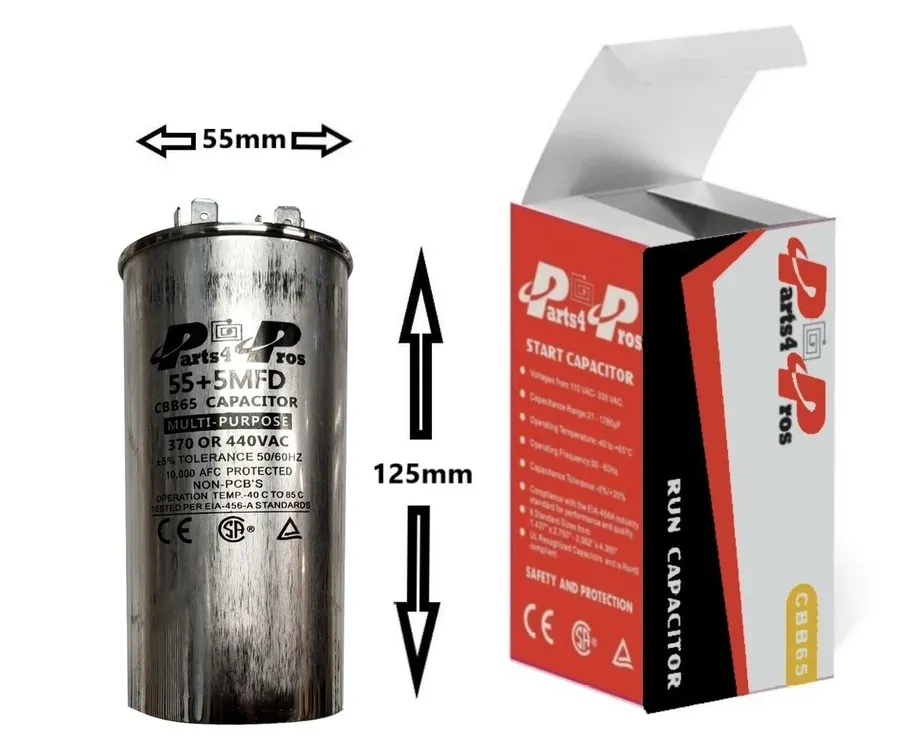
Physical Dimensions and Shape The replacement capacitor must physically fit within the equipment's capacitor compartment, so its shape and size need to be compatible. Common shapes are cylindrical or oval, and the physical dimensions must match the original to ensure correct fitting within the equipment's housing and bracketting. Check both the diameter and height of your capacitor.
Terminal Type and Wiring Ensure the terminal type (e.g., spade, threaded) and number matches the original capacitor. Mismatched terminals can cause wiring errors or a poor connection, leading to equipment malfunction or failure. Correct wiring is crucial; take a picture of the original wiring before disconnecting. Note the terminal position of the HERM, FAN and COMMON connections.
Certifications and Standards Verify that the capacitor meets industry safety standards and has the necessary certifications (e.g., UL, CE). These ensure the capacitor meets stringent quality and safety requirements, offering reliable performance and protection.
Environmental Considerations Consider the operating environment, like ambient temperature, humidity, and altitude, where the capacitor will be deployed. Select a capacitor rated to withstand those conditions to guarantee operational safety and longevity. High operating temperatures or highly humid environments can affect the performance of certain capacitors.
It is highly advised to replace your capacitor with an identical model of the original. While small variations may be acceptable, any significant deviation may have a considerable negative impact on your system's function and longevity. Consult the equipment’s user manual, the manufacturer’s website, or a qualified technician if you have any doubt about which capacitor is correct for your equipment.
Safety and Maintenance Best Practices for CBB65 Capacitors
Ensuring the safe operation and longevity of CBB65 capacitors requires adherence to strict safety protocols and diligent maintenance practices. Improper handling can lead to electrical shock or damage to the capacitor and surrounding equipment. Furthermore, environmental factors such as temperature and humidity can significantly impact a capacitor's lifespan and performance, making proper care essential.
Safety Precautions Always de-energize the circuit before handling a capacitor. CBB65 capacitors can store a significant electrical charge even after power is removed. Use an insulated tool to short the terminals before working on the component and always wear safety glasses and gloves.
Regular Inspection Visually inspect CBB65 capacitors regularly for signs of damage, including bulging cases, leaks, or corrosion on the terminals. These are indicators of degradation and potential failure.
Temperature Management CBB65 capacitors have rated operating temperature ranges, and it is critical not to exceed this rating. High temperatures cause capacitor degradation. If the ambient temperature is too high, consider using a cooling method to ensure the capacitor is within specified temperatures.
Humidity Control Excessive humidity can lead to corrosion and decreased lifespan. Ensure that capacitors are located in dry environments or use enclosures that protect them from moisture intrusion. If operating in high humidity areas, select capacitor models with increased environmental protection.
Proper Installation Ensure the CBB65 capacitor is correctly installed, paying close attention to terminal connections and polarity (if applicable). Improper connections can result in damage to the capacitor and/or equipment.
Disposal Capacitors should not be disposed of in normal household waste. They contain materials that can be harmful to the environment. Dispose of old capacitors at approved recycling centers according to local regulations.
In summary, CBB65 capacitors are indispensable components in numerous electrical systems, particularly for motor-driven appliances. Grasping their nuances, from their construction and types to proper maintenance and replacement, is crucial for both efficient equipment operation and safety. As technology evolves, so too will the design and application of capacitors like the CBB65, continually driving improvements in efficiency and reliability. By applying the knowledge from this guide, users can ensure the longevity and optimal performance of their appliances while staying informed about [cbb65] developments.