Understanding Microwave Capacitors: Safety, Function, and Replacement
2025.01.29
Microwave ovens, a staple in modern kitchens, rely on a high-voltage capacitor to generate the energy needed to cook your food quickly and efficiently. While essential, these components can also pose a safety risk if not handled correctly. This article delves into the world of microwave capacitors, explaining their function, potential dangers, and best practices for testing and replacement, empowering you with the knowledge to approach microwave repair with confidence.
The Role of a Microwave Capacitor
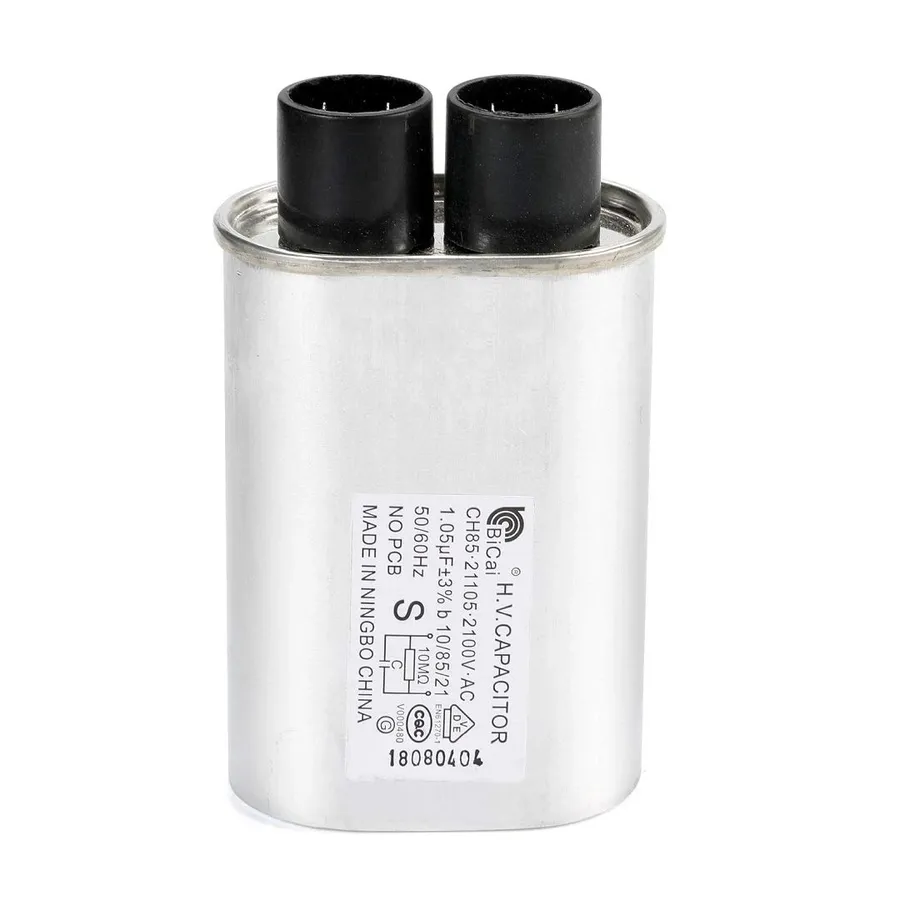
Microwave Capacitor
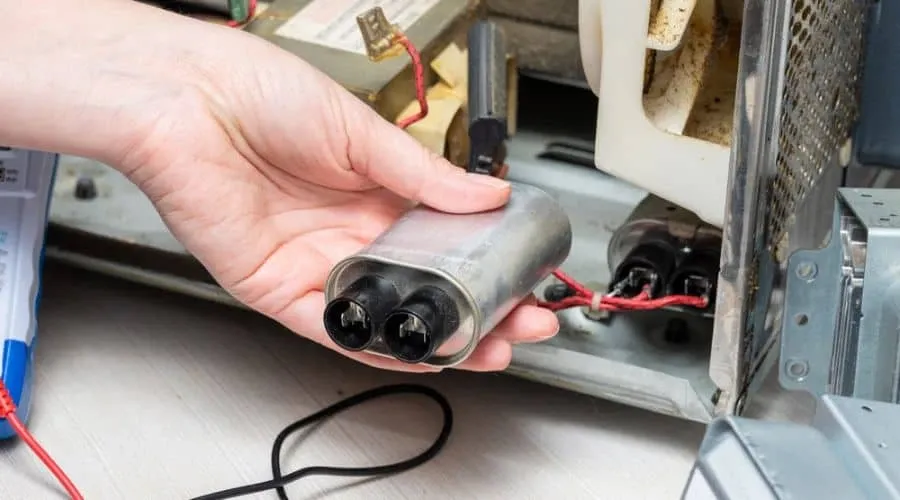
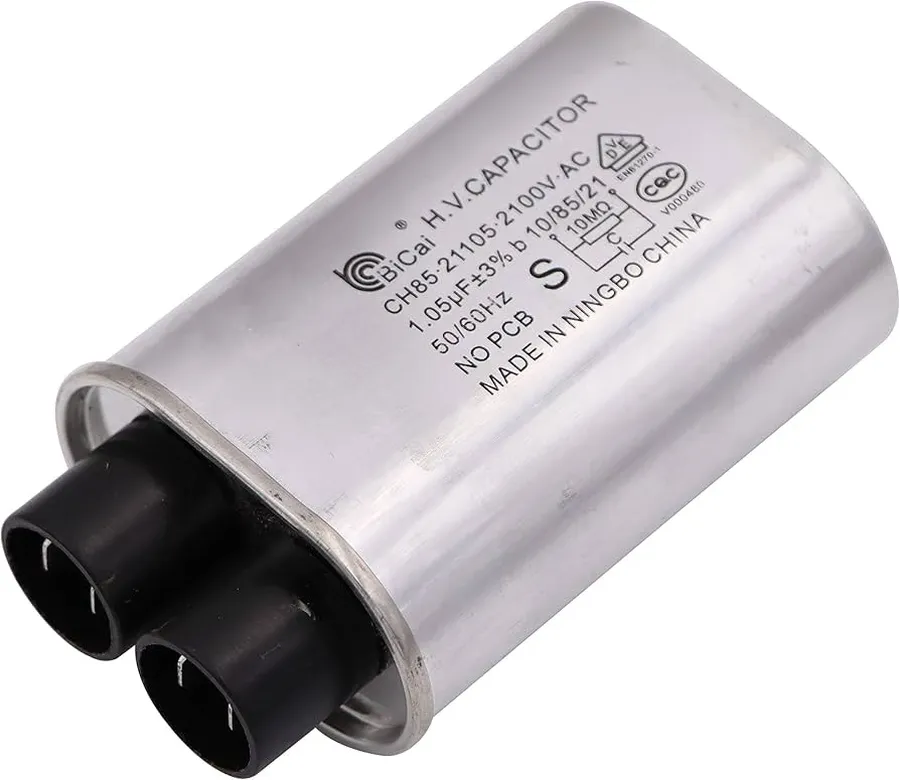
At the heart of a microwave oven's operation lies the capacitor, a critical component responsible for storing and releasing the high-voltage electrical energy necessary to power the magnetron. This magnetron, in turn, generates the microwaves that heat food. The capacitor acts as a temporary energy reservoir, smoothing out the power delivery to the magnetron, and enabling it to produce the required microwave energy efficiently.
The microwave oven's electrical circuit includes several key components: the power transformer, the high-voltage rectifier diode, and the capacitor, all working in tandem to generate the high voltage for the magnetron. The transformer steps up the incoming line voltage, while the rectifier diode converts the alternating current (AC) to direct current (DC). The capacitor then stores this DC energy, acting as an energy buffer, smoothing the voltage and providing a stable high-voltage supply to the magnetron. This arrangement is essential because magnetrons require a stable and high DC voltage to produce microwave radiation.
The capacitor's role in this circuit is paramount. Without it, the magnetron would not receive the consistent high-voltage power supply necessary for operation. The capacitor stores charge during each cycle of the AC voltage, and releases it during the off-cycle, acting as a power smoothing component and ensuring a constant supply of energy to the magnetron, thus enabling continuous microwave generation.
Why Microwave Capacitors Are Dangerous
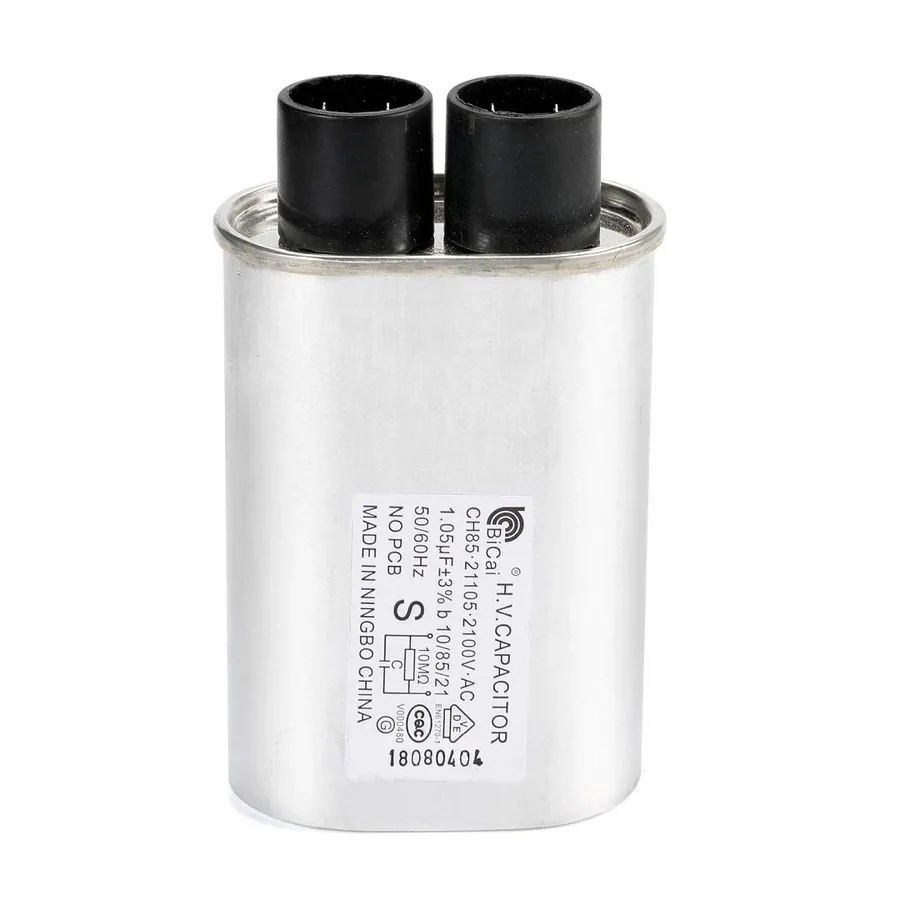
High Voltage Capacitor
Microwave capacitors pose a significant safety hazard due to their ability to store a high-voltage electrical charge, even when the microwave oven is unplugged. This residual charge can deliver a severe and potentially lethal electric shock if mishandled, making it crucial to understand the dangers and necessary safety precautions.
Unlike household circuits that are immediately de-energized when power is removed, microwave capacitors are designed to store a significant amount of electrical energy. This energy is used to power the magnetron, which generates the microwaves necessary for cooking. The capacitor essentially acts as a temporary battery, storing a high voltage that can persist for extended periods after the microwave is unplugged.
The high voltage involved, typically ranging from 2000 to 4000 volts DC, is far beyond what is considered safe. Even a small current at this voltage can cause serious harm, including cardiac arrest and severe burns. The fact that the charge remains after the microwave is unplugged is a critical factor in the capacitor's danger.
Mishandling, such as touching the capacitor terminals, can result in a severe electrical shock. Furthermore, attempts to bypass safety interlocks or inadequate discharge procedures can also lead to accidents. It is crucial to exercise extreme caution when dealing with microwave capacitors, always assuming they are charged and dangerous until proven otherwise through proper discharge techniques.
Key Safety Precautions When Handling Microwave Capacitors
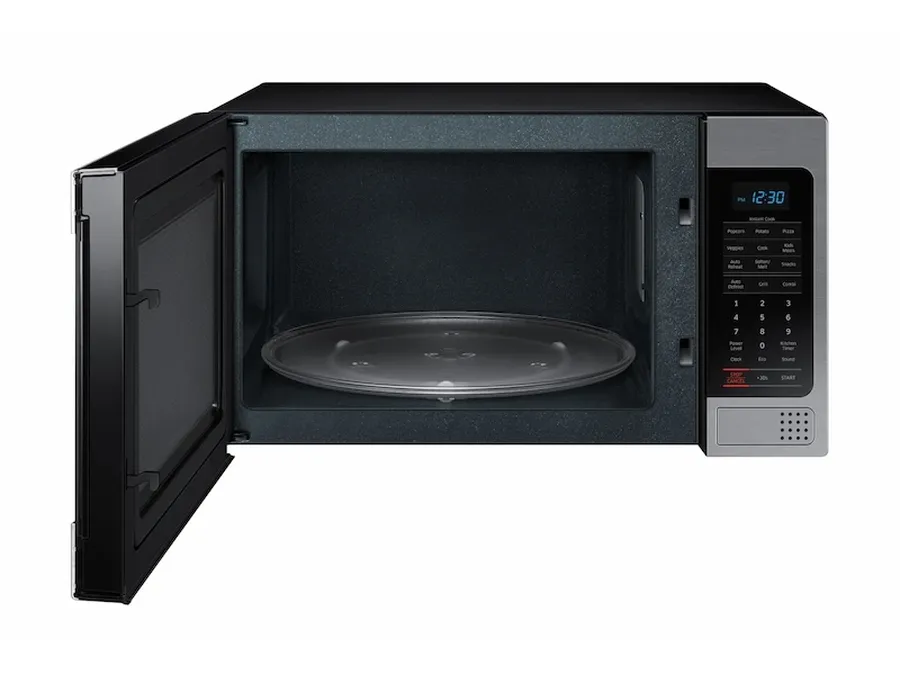
Microwave Oven Interior
Microwave capacitors store a significant electrical charge, even after the microwave oven is unplugged, posing a serious risk of severe electric shock. Safe handling requires a thorough understanding of these risks and the implementation of proper safety measures. The primary concern stems from the capacitor's ability to retain a high-voltage charge, which can be lethal if mishandled. Therefore, it is imperative to treat microwave capacitors with extreme caution and to follow the correct procedures for discharging them.
Always Assume a Charge is Present Never assume a capacitor is discharged, even if the microwave has been off for a long time. Residual charge can persist for extended periods, creating a potentially hazardous situation. Always treat a capacitor as if it is fully charged until it has been safely discharged.
Use Insulated Tools and Safety Gear Utilize insulated tools such as screwdrivers with insulated handles and wear appropriate Personal Protective Equipment (PPE), including insulated gloves and safety glasses. This minimizes the risk of electrical current traveling through your body, preventing accidental electrocution and safeguarding your eyes from potential sparks.
Discharge the Capacitor Before Handling Before you even think about handling a microwave capacitor, it needs to be safely discharged. This process involves using an insulated screwdriver with an insulated handle, shorting the capacitor terminals. Be certain to discharge the capacitor multiple times, allowing time between each attempt, to ensure that its electrical energy is fully dissipated.
Work in a Well-Lit and Clutter-Free Area Ensure you have adequate visibility during the discharging process and that your work area is clear of obstructions to reduce the possibility of accidents. A tidy workspace will make the entire process safer.
Never Touch the Terminals Directly Avoid direct contact with the terminals of the capacitor with bare hands or uninsulated tools. This action could result in a high-voltage shock. Always use the appropriate insulated tools.
Testing a Microwave Capacitor: Methods and Tools
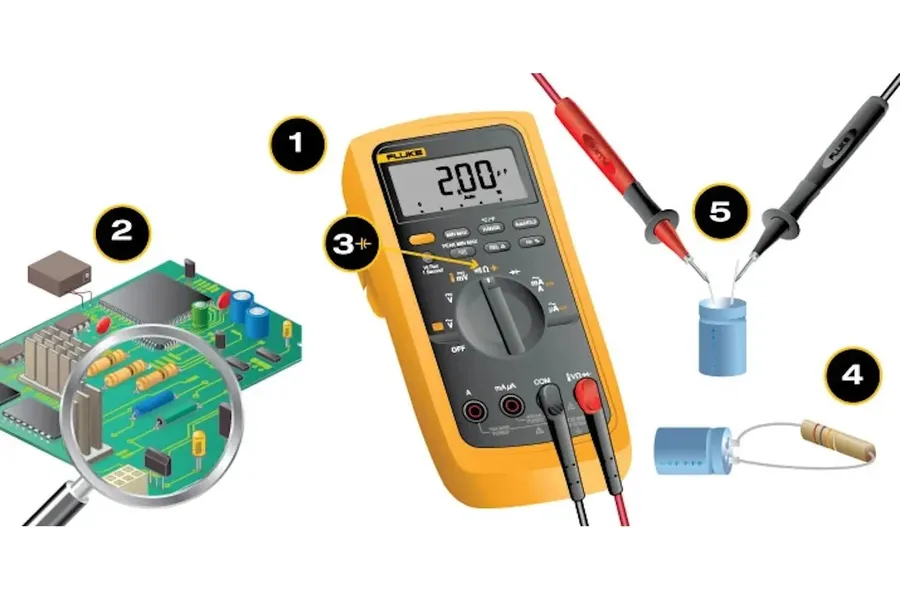
Testing Capacitor with Multimeter
Testing a microwave capacitor is crucial for diagnosing microwave oven malfunctions and ensuring safety. This process involves using a multimeter to assess the capacitor's electrical characteristics and identifying any deviations from its expected performance parameters. Common fault indicators include capacitance values outside the manufacturer's specifications, short circuits, and physical damage to the capacitor.
Before initiating any testing procedures, it is essential to ensure that the microwave oven is unplugged from the power source and that the capacitor is properly discharged to mitigate any electrical shock hazards.
Safety First: Discharging the Capacitor Prior to testing, always discharge the capacitor using an insulated screwdriver or a discharge tool. Connect the tool's leads across the capacitor terminals to safely neutralize any stored charge. Verify the discharge with a voltmeter before proceeding.
Preparing the Multimeter Set your digital multimeter to the capacitance measurement mode (usually denoted by 'F' or 'µF'). Ensure that the multimeter leads are in the correct ports for capacitance measurement.
Measuring Capacitance Connect the multimeter probes to the capacitor terminals, making sure to maintain a good connection. Note the capacitance reading shown on the multimeter's display. Compare this measured value with the rated capacitance, usually printed on the capacitor's casing. A significant deviation (typically +/-20%) indicates a faulty capacitor.
Checking for Short Circuits Set the multimeter to the resistance or continuity measurement mode. Connect the leads to the capacitor terminals. A very low resistance (close to zero) or a continuity beep indicates a short circuit, which means the capacitor is defective.
Visual Inspection Carefully inspect the capacitor for physical damage such as bulging, cracks, leaks, or burn marks. Any of these physical issues suggest internal damage that could lead to malfunctions.
Test
Procedure
Normal Result
Faulty Result
Capacitance Measurement
Multimeter set to capacitance mode. Connect probes to terminals.
Value within +/- 20% of the rated value
Value outside +/- 20% of the rated value.
Short Circuit Test
Multimeter set to resistance mode. Connect probes to terminals
High resistance (typically infinite) or no continuity.
Low resistance or continuity
Visual Check
Examine capacitor for signs of physical damage
No physical damage.
Bulging, cracks, leaks or burn marks.
Recognizing Signs of a Failing Microwave Capacitor
Damaged Microwave Capacitor
Identifying a failing microwave capacitor is crucial for maintaining the appliance's functionality and ensuring safety. A faulty capacitor often manifests through specific symptoms, which, if recognized early, can prevent further damage and potential hazards. These signs range from performance issues to noticeable physical changes.
Microwave Not Heating One of the primary functions of the capacitor is to provide high-voltage power to the magnetron, which generates the microwaves that heat the food. If the capacitor is failing, it might not be able to deliver the required energy, resulting in the microwave failing to heat properly, or at all.
Unusual Humming or Buzzing Noises A failing capacitor can produce a distinct humming or buzzing sound during operation. This noise indicates that the capacitor is struggling to store or release energy efficiently, often due to internal component degradation or electrical arcing, which might also be the result of a failing diode or magnetron. These are early warning signs that require investigation.
Blown Fuse A frequently blown fuse in the microwave circuit is often indicative of a malfunctioning capacitor. When the capacitor shorts internally or draws excessive current due to failure, the fuse will blow as a safety measure. If the fuse blows repeatedly, replacing the capacitor is likely necessary.
Visible Damage Physical signs of capacitor failure include swelling, bulging, or leaking of the capacitor casing, often at the seal near the terminal connections. These are clear indicators of capacitor damage due to overheating or excessive pressure and these will require immediate replacement. Also look out for burn marks or scorch marks on the capacitor or nearby components.
Intermittent Operation Sometimes a failing capacitor can cause the microwave to operate intermittently. This means the microwave may start and stop unexpectedly, or may only work intermittently.
Replacing a Microwave Capacitor: A Step-by-Step Guide
Replacing Microwave Capacitor
Replacing a microwave capacitor requires careful attention to safety and detail. This guide outlines the necessary steps to safely replace a faulty capacitor, ensuring the microwave's proper and safe operation. It is crucial to understand the risks associated with high-voltage components before attempting this procedure.
Step 1: Disconnect the Microwave from the Power Source Unplug the microwave oven from the electrical outlet. It is imperative to ensure that there is no power going to the device, and it is not sufficient to simply switch it off. This step protects you from electrical shock during the entire procedure. Do not rely on the microwave’s power switch; remove the plug from the wall outlet.
Step 2: Access the Capacitor Carefully remove the outer casing of the microwave oven. Typically, this involves removing screws from the back or sides of the unit. Refer to your microwave’s manual for specific disassembly instructions. Once the casing is open, locate the high-voltage capacitor. It is usually a large, cylindrical component near the magnetron and high-voltage transformer and it is often marked with a high voltage warning.
Step 3: Safely Discharge the Capacitor Before touching the capacitor, it's absolutely critical to discharge it using an insulated screwdriver with an insulated handle and a 20k ohm 10 watt resistor. Connect the resistor between the capacitor terminals for a minimum of 3 minutes to discharge. This prevents potentially lethal electrical shocks from any residual charge. Always verify the voltage is discharged using a multimeter before proceeding. Never assume the capacitor is discharged.
Step 4: Take a picture of the wiring Take a clear picture of the wiring connections to the old capacitor, this photo will aid in the proper connection of the new capacitor. It will serve as a reference point when installing the new capacitor. Pay close attention to the orientation of the connections.
Step 5: Disconnect the Old Capacitor Carefully disconnect the wires from the terminals of the old capacitor. Use pliers with insulated handles for this task, and ensure the wires are free from the terminals. Make sure the wires and terminals are clean, with no signs of corrosion or residue.
Step 6: Identify the correct replacement Before installing the new capacitor, make sure the value matches the old capacitor and it is the correct part. Most capacitors will have this value listed on the side of the device. If the value does not match, do not install the new capacitor.
Step 7: Install the New Capacitor Connect the wires to the terminals of the new capacitor, making sure they match the photo taken in step 4, and that they are securely attached. Ensure the new capacitor is mounted securely in its original position. Improper mounting can lead to damage to the capacitor or the microwave itself.
Step 8: Reassemble the Microwave Carefully reassemble the microwave's outer casing. Ensure all screws are properly tightened and that no wires are pinched or obstructing the assembly. Double check that everything is fitted correctly and that there are no loose parts.
Step 9: Final Testing Plug the microwave back into the power outlet. Test the microwave oven's functionality. If it doesn't operate correctly, recheck all connections and components, and if problems persist, seek professional assistance.
Microwave Capacitor: Frequently Asked Questions
This section addresses common questions about microwave capacitors, providing clear and concise answers to help users understand their function, potential risks, and maintenance.
What happens if a microwave capacitor goes bad? A failing microwave capacitor can lead to several issues, primarily the microwave not heating food properly or at all. Other symptoms include unusual humming noises, the microwave tripping the circuit breaker, or a blown fuse. The capacitor's primary function is to provide the high voltage required by the magnetron, and if this function is compromised, microwave operation is significantly affected.
What does a capacitor do in a microwave? In a microwave oven, the capacitor is a crucial component in the high-voltage circuit. It acts as an energy storage device, accumulating and then releasing electrical energy to the magnetron. The magnetron then converts this high-voltage energy into microwaves, which are used to heat the food. Specifically, the capacitor, along with the transformer and diode, creates a voltage doubler to supply the approximately 4000V needed by the magnetron.
Can a microwave work without a capacitor? No, a microwave cannot function without a working capacitor. The capacitor is an integral part of the high-voltage circuit. Without it, the magnetron cannot receive the necessary high voltage to produce microwaves. Removing or bypassing the capacitor will result in the microwave failing to heat and is not recommended.
How long does a microwave capacitor last? The lifespan of a microwave capacitor varies, depending on usage and environmental conditions. Generally, a capacitor can last for the life of the microwave itself, which is typically 7-10 years with standard domestic use. However, factors like frequent use, poor ventilation, or exposure to excessive heat can shorten its lifespan. Damage or manufacturing defects can also cause premature failure.
What are the dangers of a microwave capacitor? Microwave capacitors pose a significant danger due to their ability to store a lethal high-voltage charge even when the microwave is unplugged. This residual charge can deliver a severe, potentially fatal, electric shock if handled improperly. It is critical to discharge a capacitor using insulated tools and proper procedures before any maintenance or replacement work is done.
What are the typical symptoms of a bad microwave capacitor? Common signs of a failing microwave capacitor include the microwave failing to heat food, experiencing intermittent heating, making unusual humming noises, tripping the circuit breaker, or blowing fuses. Additionally, visual signs such as bulging or leaking capacitors indicate immediate replacement is needed. If these symptoms occur, the microwave should be disconnected from the power source, and the capacitor should be checked by a qualified technician or replaced using a safe procedure.
Is it safe to replace a microwave capacitor yourself? Replacing a microwave capacitor is a task that requires a solid understanding of high voltage circuits, proper safety precautions, and the use of insulated tools. While technically feasible for a skilled individual, it is not advisable for those without experience, due to the significant risk of electrocution. If unsure, it’s best to seek the help of a qualified appliance repair technician.
Microwave Capacitor Applications Beyond Ovens
Industrial Capacitor Application
While commonly associated with microwave ovens, high-voltage capacitors, similar to those used in microwaves, find applications in a variety of other electronic systems. The core principles of energy storage and discharge that apply to microwave capacitors also govern their behavior and use in these diverse fields. Understanding their function within a microwave provides valuable insight applicable to other high-voltage systems.
High-Intensity Discharge (HID) Lighting HID lamps, such as those used in street lighting and automotive headlights, utilize capacitors to generate the high-voltage pulses necessary to ignite and maintain the gas discharge within the lamp. These capacitors play a critical role in the lamp's start-up sequence, similar to the way a microwave capacitor powers the magnetron.
Laser Systems High-power lasers, used in various industrial, medical, and scientific applications, often require large capacitors to store the energy needed to generate intense light pulses. These capacitors, like those in microwaves, need to be capable of rapidly storing and discharging substantial amounts of energy.
X-ray Machines X-ray machines rely on high-voltage capacitors to generate the powerful X-rays needed for medical imaging and material analysis. The capacitors in these machines are a critical element of the high-voltage power supply, ensuring reliable and consistent X-ray production.
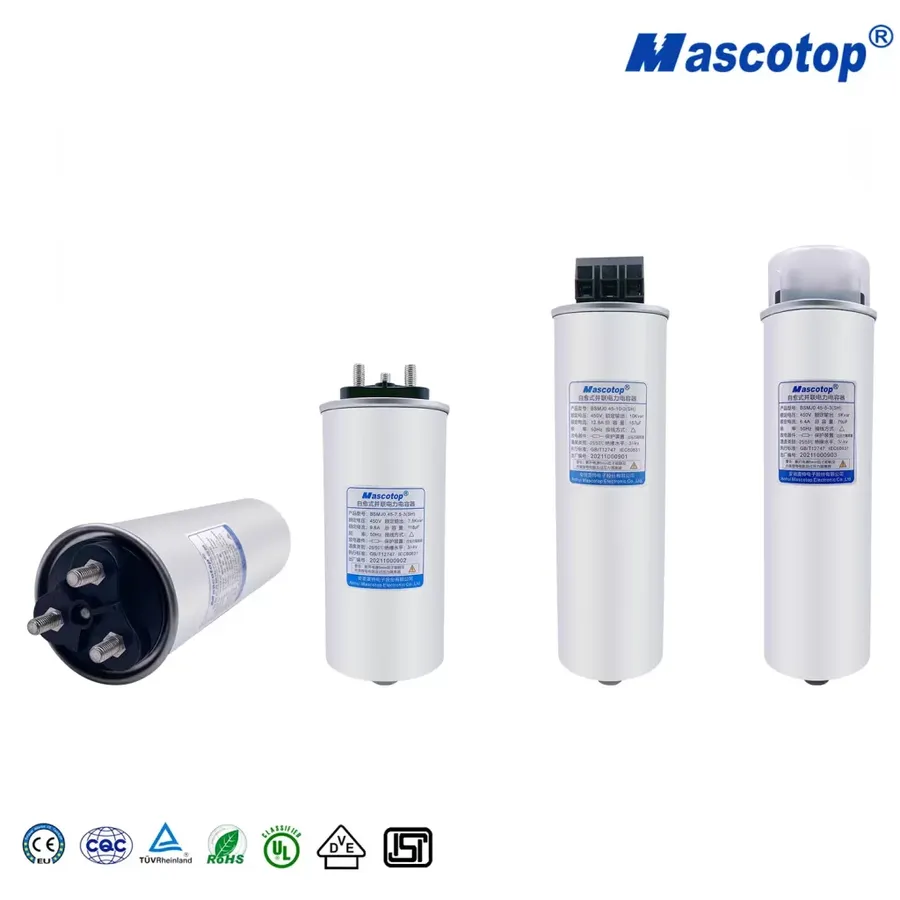
Industrial Power Supplies In industrial settings, high-voltage capacitors are often components of power supplies for equipment such as induction heaters, welding machines, and high-voltage test equipment. They function in a similar manner to the microwave capacitor, storing electrical energy and then delivering it when required to power the equipment.
Electrostatic Precipitators These devices, used in air pollution control, use high-voltage capacitors to create the electrostatic field that separates particulate matter from the gas stream. The capacitors store and discharge electrical energy to keep the ESP running.
The experience gained in safely handling and troubleshooting microwave capacitors provides a solid basis for working with similar high-voltage components in other applications. Knowledge of safe discharge procedures, capacitance measurement, and failure analysis is broadly applicable across these domains. The fundamental electrical engineering principles and safety requirements are similar, even though specific components may have different ratings and configurations. Therefore, understanding the behavior of microwave capacitors can enhance an individual’s ability to work with a broader range of electrical equipment with higher voltage characteristics.
Microwave Capacitor Maintenance and Lifespan
Ensuring the longevity and optimal performance of your microwave capacitor involves understanding typical failure modes and implementing preventive maintenance. While these components are designed for robust operation, following best practices can significantly extend their service life and reduce the likelihood of unexpected failures.
The lifespan of a microwave capacitor is generally around 7-10 years under normal operating conditions. This, however, is subject to several factors which can affect its longevity.
Factors Influencing Capacitor Lifespan Several factors contribute to the degradation of microwave capacitors over time, influencing their performance and lifespan. These include:
* **Usage Frequency:** More frequent use of the microwave increases the number of charge and discharge cycles the capacitor undergoes, leading to wear.
* **Environmental Conditions:** High ambient temperatures and humidity levels can accelerate capacitor aging and increase the risk of corrosion.
* **Power Fluctuations:** Consistent voltage spikes or power surges can stress the capacitor's dielectric material, reducing its lifespan.
* **Manufacturing Defects:** Although less common, manufacturing flaws in the capacitor itself can also cause premature failure.
* **Internal Overheating:** Sustained use at high power settings can cause internal temperature rise in the capacitor which accelerates degradation over time.
Preventive Maintenance Tips To extend the lifespan of your microwave capacitor and ensure safe operation, consider these preventive maintenance tips:
* **Regular Cleaning:** Ensure the microwave's interior is cleaned regularly to avoid grease buildup that can affect the internal temperature and components' performance.
* **Ventilation:** Avoid obstructing the microwave’s ventilation grilles, which are essential for heat dissipation.
* **Proper Usage:** Do not operate the microwave empty or with metal objects which can lead to internal component damage.
* **Voltage Protection:** Use surge protectors or voltage regulators in areas with unstable power supply.
* **Avoid Extended High Power Use:** Minimize the duration the microwave operates at high power to avoid excessive heat build up in the capacitor.
Signs of Potential Issues Watch out for specific performance changes that indicate possible issues with your capacitor:
* **Reduced Heating Efficiency:** A decrease in the microwave's heating capability could point to a failing capacitor.
* **Unusual Noises:** Humming or buzzing sounds emanating from the microwave can indicate capacitor issues.
* **Intermittent Operation:** Inconsistent operation, such as the microwave working only sporadically, might mean a capacitor is failing.
* **Physical Damage:** Inspect the capacitor for physical signs such as bulging, leakage, or discoloration. Contact a professional if damage is detected. Always make sure the capacitor is safely discharged before visual inspections.
Microwave capacitors are a crucial component in the functioning of your microwave oven, but they also pose a significant safety risk due to their high-voltage capabilities. Understanding their role, proper handling techniques, and signs of failure is essential for both safety and effective appliance repair. Whether testing, replacing, or simply learning more, this knowledge will empower you to better manage your microwave capacitor and contribute to your peace of mind. Remember that professional assistance is always a good option when unsure, especially with high-voltage electrical components like microwave capacitors.