Understanding the 1000uF 25V Capacitor: Specs, Uses, and Replacement Guide
2025.02.03
In the intricate world of electronics, the 1000uF 25V capacitor is a common yet critical component. Think of it as a tiny energy reservoir, essential for smoothing voltage fluctuations and ensuring stable operation of electronic devices, much like how a water tower maintains consistent water pressure in a city. This article dives deep into the specifications, applications, and crucial replacement tips for 1000uf 25V capacitors, bridging the gap between basic electronics and practical applications. Whether you're troubleshooting a circuit or designing a new project, understanding this component is key. We'll unravel the nuances of this tiny but powerful component, ensuring you are well-equipped to handle it with confidence.
What is a 1000uF 25V Capacitor?
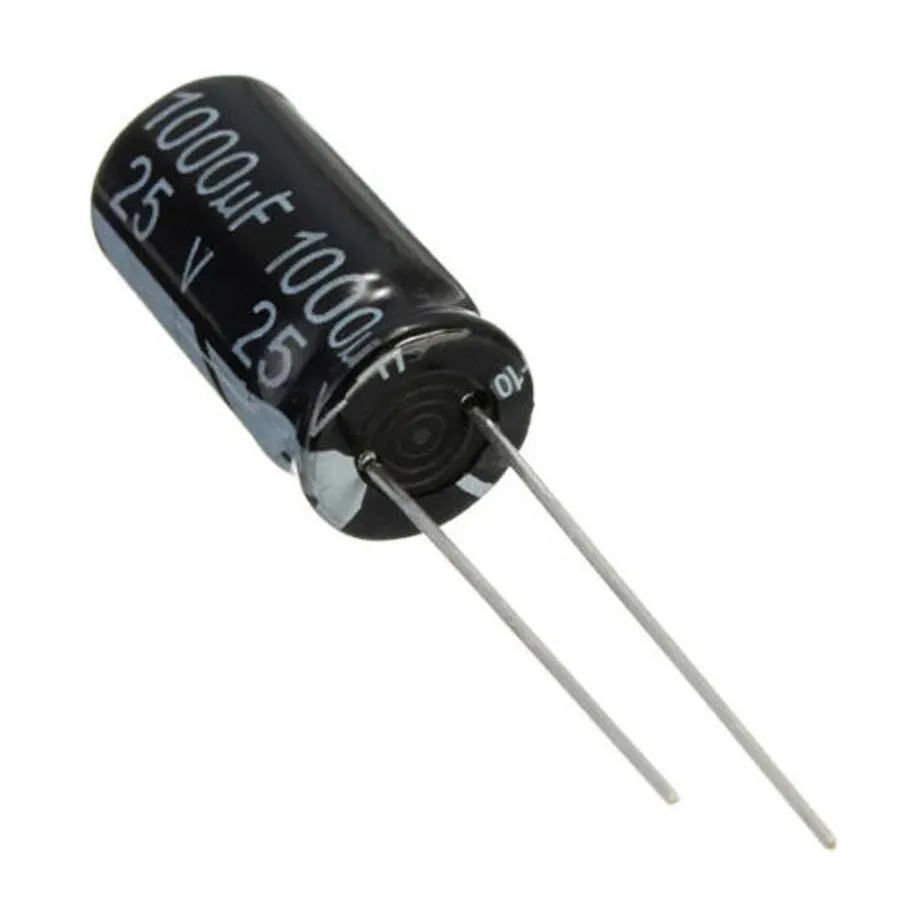
1000uF 25V Capacitor
A 1000uF 25V capacitor is an electronic component characterized by its capacitance of 1000 microfarads (µF) and a maximum voltage rating of 25 volts. This specific capacitor is a type of passive electronic component that stores energy electrostatically in an electric field. It is crucial for managing power flow within electronic circuits, acting as a temporary reservoir for electrical charge, and playing a key role in both smoothing and filtering electrical signals.
The '1000uF' specification indicates its capacitance, which is the measure of a capacitor's ability to store electrical charge. A higher capacitance value means the capacitor can store more charge at the same voltage. The '25V' rating denotes the maximum voltage that can be safely applied across the capacitor. Exceeding this voltage can lead to damage or failure of the capacitor.
In practical applications, the 1000uF 25V capacitor is used to smooth out voltage fluctuations in power supplies, filter out unwanted electrical noise, and store energy for brief periods to ensure stable circuit operation. Understanding its specifications and function is critical for both circuit design and maintenance.
Key Specifications of a 1000uF 25V Capacitor
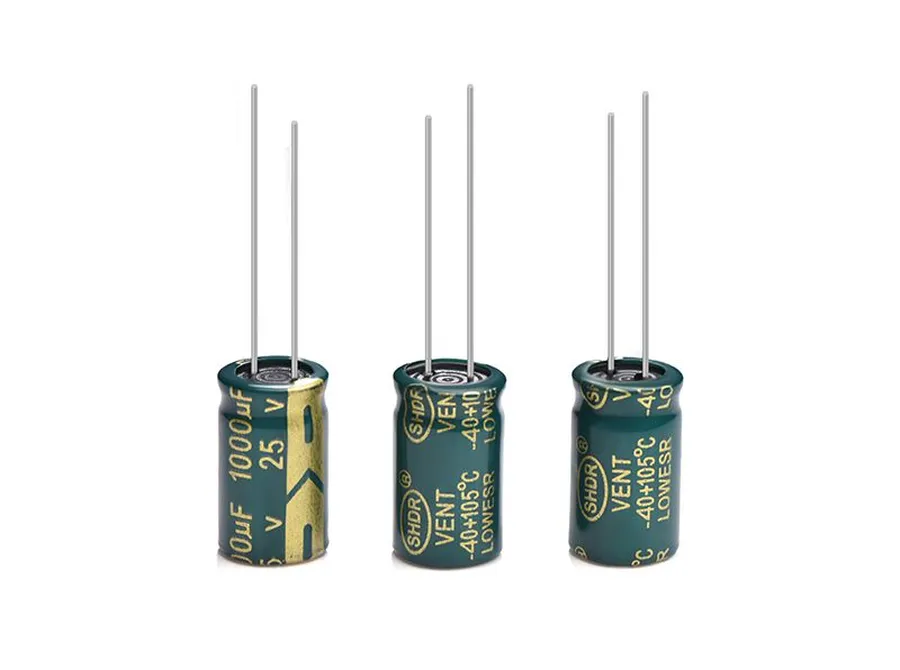
Capacitor Specifications
A 1000uF 25V capacitor is defined by its capacitance of 1000 microfarads (µF) and a maximum voltage rating of 25 volts (V). These parameters dictate its ability to store electrical charge and the maximum electrical potential it can safely handle without failure. Understanding these and other specifications such as tolerance, size, and temperature rating is paramount for proper application and replacement.
Specification
Description
Importance
Capacitance (1000µF)
The ability of the capacitor to store an electrical charge; 1000 microfarads.
Determines the amount of charge the capacitor can hold. Crucial for circuit timing, filtering, and energy storage.
Voltage Rating (25V)
The maximum voltage the capacitor can withstand without damage.
Critical for safety and preventing component failure. Using a capacitor below the required voltage can lead to premature failure.
Tolerance
The allowable deviation from the stated capacitance value.
Affects the precision of the circuit. Can range from ±20% for electrolytic to ±5% for precision film capacitors.
Size Variations
Physical dimensions of the capacitor. Typically specified in diameter and height (e.g., 10mm x 20mm).
Affects board layout and compatibility within existing designs. Size constraints may impact the choice of capacitor.
Temperature Rating (e.g., 85°C, 105°C)
The maximum operating temperature the capacitor can endure.
Determines reliability under heat stress. Higher temperature ratings improve long-term reliability.
Common Applications of a 1000uF 25V Capacitor
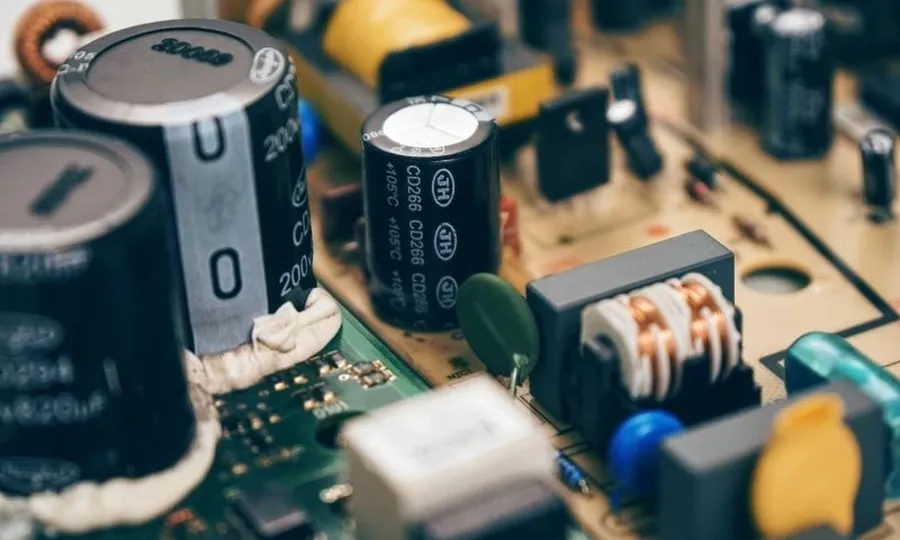
Capacitor on PCB
The 1000uF 25V capacitor is a versatile component utilized across a spectrum of electronic applications, primarily for its ability to store electrical energy and perform filtering functions. Its characteristics make it suitable for smoothing voltage fluctuations, decoupling circuit stages, and ensuring stable operation in various devices.
Power Supplies These capacitors are crucial in power supply circuits for smoothing out the rectified AC voltage, reducing ripple, and providing a steady DC output. This stability is essential for preventing erratic behavior in connected electronics.
Audio Equipment In audio circuits, 1000uF 25V capacitors play a vital role in decoupling power rails and filtering out noise. They help maintain the signal integrity in amplifiers, preamplifiers and signal processing circuits, leading to clearer sound reproduction.
Decoupling Circuits Capacitors are used for decoupling to isolate different circuit stages and to stabilize the power supply of individual components by providing a local reservoir of charge. This reduces the unwanted interaction between different parts of a circuit and also reduces the risk of noise being generated and propogated throughout the circuit.
Filtering Circuits These capacitors are used in filtering circuits, smoothing out noisy signals and stabilizing voltages in sensitive components such as microcontrollers and integrated circuits. Ensuring smooth, stable power delivery and enabling consistent performance.
General Electronics This capacitor is a versatile and common component found in many areas of consumer electronics, from charging circuits in mobile phones to timing circuits in cameras, due to their ability to handle moderate voltage and capacitance requirements.
Application
Function of 1000uF 25V Capacitor
Benefit
Power Supplies
Smoothing rectified AC voltage and reducing ripple
Steady DC output, stable component operation
Audio Equipment
Decoupling power rails and filtering noise
Clear audio reproduction, reduced signal interference
Decoupling Circuits
Isolating different stages of a circuit and providing a local charge reservoir
Reduced interaction between circuit stages and a reduction in system noise
Filtering Circuits
Smoothing noisy signals and stabilizing voltages
Stable power to sensitive components
Frequently Asked Questions about 1000uF 25V Capacitors
This section addresses common inquiries regarding 1000uF 25V capacitors, clarifying their applications, alternatives, and key characteristics. Understanding these aspects is crucial for effective component selection and circuit design.
What is the primary function of a 1000uF 25V capacitor in electronic circuits? A 1000uF 25V capacitor primarily functions as an energy storage device, used for filtering, smoothing, and decoupling in electronic circuits. It helps stabilize voltage levels, reduce ripple in power supplies, and provide temporary energy during fluctuations. The 1000uF capacitance value determines its capacity to store charge, while the 25V rating specifies the maximum voltage it can safely withstand without failure. These capacitors are essential for maintaining clean and stable power for sensitive electronic components.
Can I replace a 1000uF 25V capacitor with one having a higher capacitance, such as 2200uF, and what are the implications? Replacing a 1000uF capacitor with a higher capacitance value, such as 2200uF, is generally acceptable and often beneficial. The increased capacitance provides more charge storage capacity, which can lead to improved filtering and voltage stability, and it can handle larger current surges. However, a higher capacitance can also result in slower charging and discharging times. The most critical factor is ensuring the replacement capacitor has an equal or higher voltage rating (at least 25V) to avoid component failure. Always consider how the new component characteristics align with the specific requirements of the circuit design.
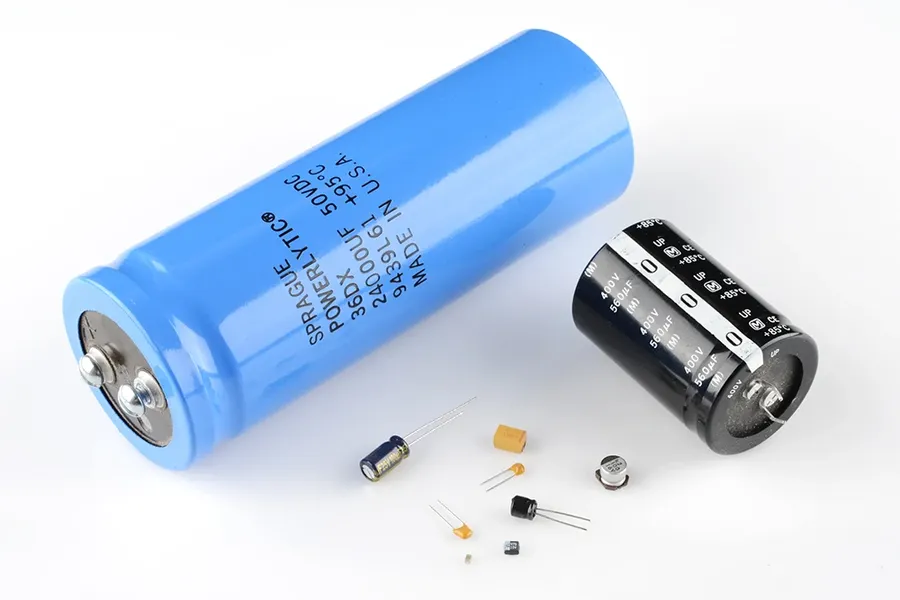
What are the size variations for 1000uF 25V capacitors, and how does physical size affect its use? The physical size of a 1000uF 25V capacitor varies depending on its type (radial, axial, SMD) and manufacturing. Standard sizes range from small cylindrical packages for through-hole mounting to tiny surface mount packages. Physical dimensions are vital in circuit board design due to space restrictions; select the right size to ensure proper fit and thermal dissipation. Smaller sizes typically involve tradeoffs such as lower maximum current rating and shorter lifespan. Larger capacitor package sizes do not have a higher voltage rating as this is specified in the value.
What does '1000uF' signify, and what is the importance of understanding this specification? The '1000uF' (microfarad) marking indicates the capacitor's capacitance, representing its capacity to store an electrical charge. One microfarad equals one millionth of a farad. A capacitor with 1000uF stores more charge than a capacitor with a lower value, like 100uF, at the same voltage. The uF rating is crucial for determining the filtering and energy storage capability of the capacitor in a specific circuit. Proper selection of uF value ensures the circuit behaves according to its design.
What are the implications of using a capacitor with a higher voltage rating (e.g., 1000uF 50V) in place of a 1000uF 25V? Using a 1000uF capacitor with a higher voltage rating, such as 50V, as a replacement for a 25V capacitor is generally safe and advisable. The voltage rating indicates the maximum voltage that the capacitor can handle without failing. A higher voltage rating does not affect the capacitor's primary function but provides extra safety margin, reducing the risk of damage from voltage surges or spikes. Therefore, while using a higher voltage rated capacitor will not change its performance (as long as its capacitance is the same), it enhances the reliability and lifetime of the component.
Can a 1000uF 25V capacitor be used in both AC and DC circuits? Electrolytic capacitors such as the 1000uF 25V type are polarized components designed for DC circuits. Their polarized nature means correct connection is critical for proper function and to prevent damage. While these capacitors can temporarily handle AC signals, long-term use in AC circuits is not advisable due to the risk of overheating and degradation. Using these polarized capacitors in AC circuits will drastically reduce the components' lifespan and could lead to failure.
What is the temperature rating for a 1000uF 25V capacitor, and why does it matter? 1000uF 25V capacitors typically have temperature ratings such as 85°C or 105°C. This rating specifies the maximum operating temperature the capacitor can safely endure. Operating a capacitor beyond its temperature rating can cause performance degradation, reduced lifespan, and even catastrophic failure due to electrolyte drying and bulging. Understanding and adhering to temperature ratings is paramount in high heat or industrial environments, selecting the correct type of capacitor for the operating environment. A higher temperature rating ensures the component will maintain its performance under higher operating temperatures.
Choosing a Replacement 1000uF 25V Capacitor
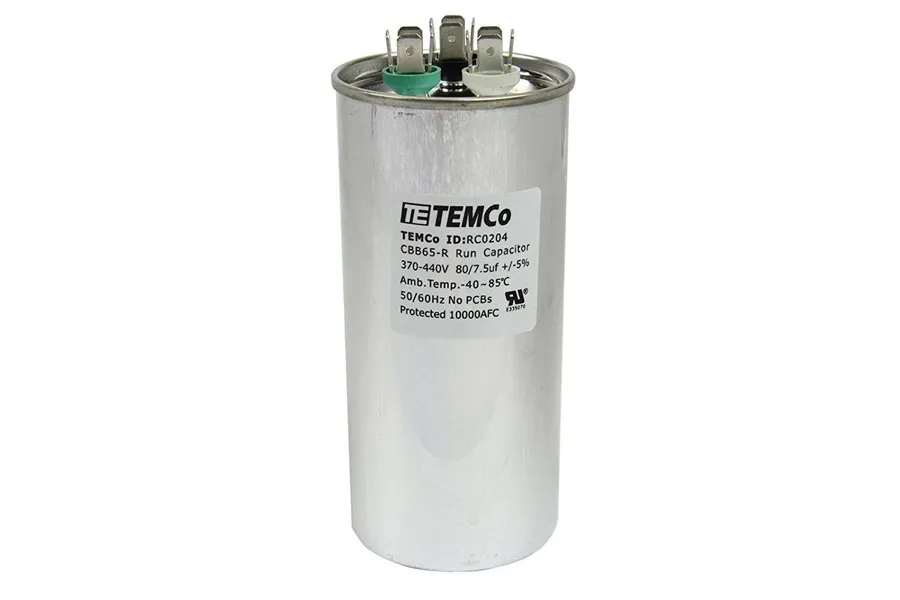
Replacement Capacitors
Selecting the correct replacement for a 1000uF 25V capacitor is crucial for maintaining the proper function and longevity of electronic circuits. The primary considerations are matching the capacitance, ensuring an equal or higher voltage rating, and paying attention to temperature ratings and physical size.
Capacitance Matching The replacement capacitor must have the same 1000uF (microfarad) capacitance as the original. Deviations can lead to circuit malfunction.
Voltage Rating The voltage rating of the replacement capacitor must be equal to or higher than the original's 25V. Using a capacitor with a lower voltage rating can lead to failure and potential safety hazards. For instance, a 1000uF 35V or 1000uF 50V capacitor can be used as a direct replacement for 1000uF 25V, but never use 1000uF 16V.
Temperature Rating Consider the operating environment of the circuit. Capacitors are typically rated for 85°C or 105°C. Select a capacitor with a temperature rating that meets or exceeds the operating conditions to ensure reliability.
Physical Size Ensure the physical dimensions of the replacement capacitor match the space available on the circuit board, accounting for both diameter and height. Variations in size can affect fit and proper installation.
Polarity Consideration Electrolytic capacitors are polarized, so ensure that the negative and positive terminals are correctly matched. Incorrect placement can lead to capacitor failure or circuit damage.
Characteristic
Original Capacitor
Acceptable Replacement
Unacceptable Replacement
Capacitance
1000uF
1000uF
Any value not 1000uF (e.g., 470uF, 2200uF)
Voltage Rating
25V
25V or higher (e.g., 35V, 50V)
Less than 25V (e.g., 16V)
Temperature Rating
85°C or 105°C
Equal or higher rating (e.g., 105°C for an 85°C original)
Lower rating (e.g., using 85°C when the original is rated for 105°C in a high temperature environment)
Physical Dimensions
Specific to board layout
Same size or smaller, ensure the leads fit
Significantly larger without considering the physical space available
Understanding Capacitor Polarity
Capacitor Polarity
Electrolytic capacitors, such as the 1000uF 25V variant, are polarized components, meaning they have a designated positive and negative terminal. Correctly observing this polarity during installation is crucial for proper circuit function and preventing potential damage.
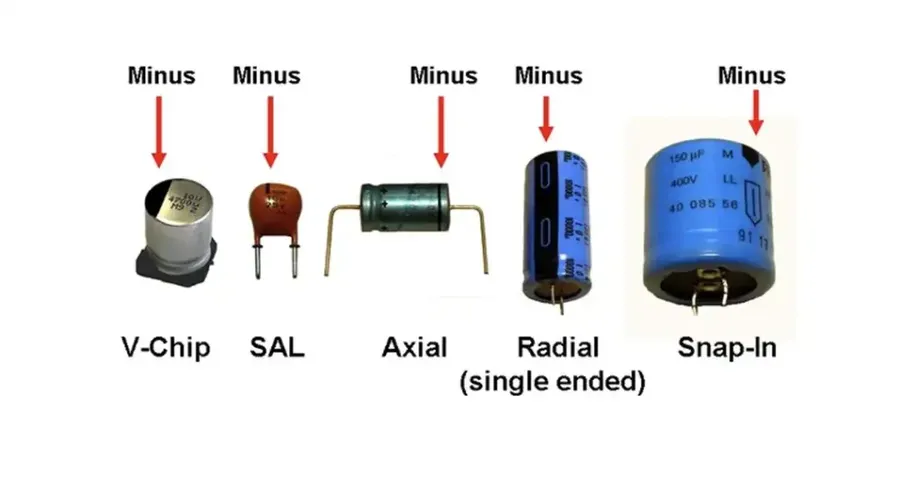
Polarity Identification Electrolytic capacitors typically have markings to indicate polarity. The negative terminal is often denoted by a stripe or a series of negative signs printed on the capacitor's casing, often near the corresponding lead. Additionally, the negative lead is usually shorter than the positive lead. Careful visual inspection is vital for correct identification.
Consequences of Incorrect Polarity Reversing the polarity of an electrolytic capacitor can cause a variety of problems, ranging from minor circuit malfunctions to catastrophic component failure. Incorrect polarity can lead to rapid heating of the capacitor due to electrochemical reactions, potentially causing it to bulge, leak its electrolyte, or even explode. This can damage other components in the circuit and, in extreme cases, pose a safety risk.
Proper Connection Procedure When installing an electrolytic capacitor, it is essential to align the positive lead of the capacitor with the positive point in the circuit and the negative lead with the negative point. Using datasheets for the specific capacitor can be beneficial in verifying polarity orientation, if any doubt exist in your own visual inspection. Care should be taken during soldering, or connection to ensure that no shorts exist and that the polarity is properly observed. After installation, verify that the capacitor is working without any signs of stress, such as excessive heat. A reversed polarity is also able to cause a short and damage the circuit before the capacitor is damaged.
Troubleshooting Common Issues with 1000uF 25V Capacitors
Capacitor failure, particularly in electrolytic capacitors like the 1000uF 25V, can lead to a variety of circuit malfunctions. Identifying these issues early is crucial for maintaining the reliability of electronic devices. This section outlines common failure modes, diagnostic techniques, and replacement guidance to ensure continued operation.
Visual Inspection for Common Failures Prior to electrical testing, visually inspect the capacitor. Bulging or a cracked case indicates internal pressure from electrolyte degradation, often due to overvoltage or heat. Leaking electrolyte is a strong sign of capacitor failure and should be addressed immediately. A change in the color of the capacitor casing can also indicate damage from overheating or chemical reactions.
Capacitance Degradation A common failure mode is the decrease in capacitance value over time or due to stress. While not always visually evident, this is detrimental to the circuit's performance. The reduction of the capacitance value indicates the degradation of the dielectric material, and it will not function as intended.
Increased Equivalent Series Resistance (ESR) ESR increases as a capacitor degrades. Higher ESR results in increased power dissipation within the capacitor, leading to heat and potential failure. This is often linked to electrolyte deterioration.
Open or Short Circuit An open circuit means there is no continuity, while a short circuit indicates a very low resistance path, bypassing the capacitor function. These are severe failure modes which will require immediate replacement.
Effective diagnosis requires the use of a multimeter capable of measuring capacitance. Be sure to disconnect the capacitor from the circuit before performing any testing.
Multimeter Testing for Capacitance Set your multimeter to capacitance measurement mode and connect the leads across the capacitor's terminals. The measured capacitance should be within the tolerance specified by the manufacturer (typically ±20%). A value significantly lower indicates degradation or failure.
Multimeter Testing for Short Circuits Set the multimeter to resistance mode. A reading near zero ohms indicates a short circuit within the capacitor. An open circuit can also be tested to verify whether or not the capacitor has been damaged by looking for an extremely high value.
When replacing a failed 1000uF 25V capacitor, match the replacement with the original's capacitance (1000uF) and ensure the voltage rating is equal to or greater than (25V or higher). Consider the temperature rating to match the operating conditions. Electrolytic capacitors are polarized; be sure to observe the correct polarity when installing a replacement to avoid component damage. Ensure a secure connection by either soldering or using terminal blocks when necessary.
1000uF 25V Capacitor: Brands and Availability
Capacitor Brands
The 1000uF 25V capacitor is a widely used component, and several reputable manufacturers produce them. Knowing the leading brands and reliable sources is crucial for ensuring quality and avoiding counterfeit parts.
Popular Brands Key manufacturers known for producing high-quality 1000uF 25V capacitors include Nichicon, Rubycon, Panasonic, and TDK. These brands have established reputations for reliability and performance in the electronics industry. Selecting components from these manufacturers ensures better consistency and longevity.
Sourcing Authentic Components To avoid counterfeit components, it's essential to purchase from authorized distributors or reputable suppliers. These include major electronics distributors such as Mouser Electronics, Digi-Key, Arrow Electronics, and Farnell. These suppliers have stringent quality control procedures, ensuring that components are genuine and meet the original manufacturer's specifications.
Differentiating Genuine Components from Counterfeits Counterfeit capacitors may exhibit several signs, including inconsistent markings, poor print quality, and substandard packaging. Genuine parts usually have laser-etched markings that are clear and consistent, along with precise dimensions. Always inspect components upon arrival, paying close attention to the physical appearance and packaging. Cross-referencing with the manufacturer's data sheet can help you verify the correct dimensions, markings, and electrical characteristics.
Local Electronics Suppliers Smaller, local electronic stores and distributors may carry these components. If buying locally, check their reputation and verify the authenticity of the components before purchase. Compare prices and ensure that the part matches the required specification. Check the packaging for any signs of tampering.
Online Marketplaces While online marketplaces may have options, exercise caution when purchasing from less-known sellers. Reviews and ratings from other customers can be helpful in identifying reputable vendors. However, relying solely on marketplace vendors carries a risk, and checking the seller profile is important for sourcing genuine parts. Prioritize authorized distributors on these platforms.
The 1000uF 25V capacitor is a ubiquitous component in electronics, playing a vital role in ensuring stable and efficient operation. Understanding its specifications, applications, and proper replacement techniques is essential for anyone working with electronic circuits. Whether it’s filtering noise, storing charge, or managing transient surges, this seemingly small component is indispensable. By equipping ourselves with this knowledge, we can confidently tackle electronic projects and repairs, ensuring our devices function as intended, highlighting the importance of even the smallest components, like the 1000uF 25V capacitor, in the larger electronic landscape.