The humble 5k resistor, a workhorse of electronics, is much more than a tiny component; it's a gatekeeper of current, a sculptor of voltage, and a cornerstone of circuit design. From simple LED circuits to complex industrial automation systems, the 5k resistor plays a vital role, shaping the electrical landscape around us. This article delves into the heart of the 5k resistor, exploring its diverse types, common applications, and offering practical guidance on choosing the right one for your project. This is your key to unlocking the world of resistance.
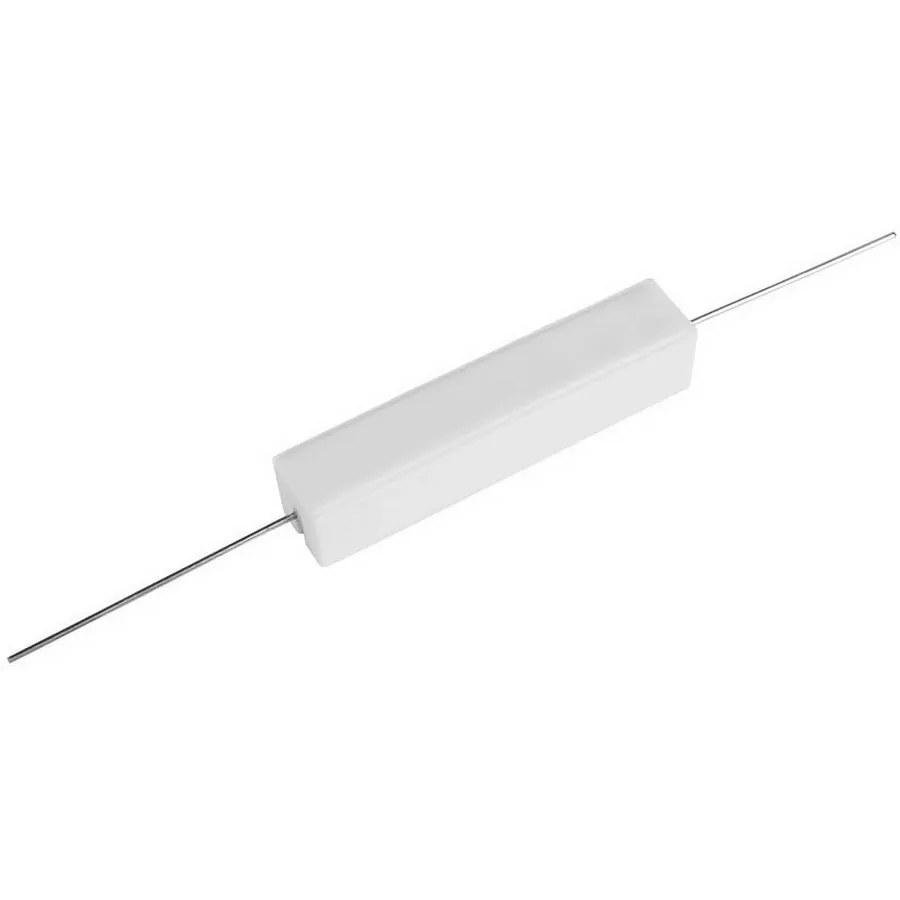
A 5K resistor is a fundamental electronic component designed to impede the flow of electrical current within a circuit. This specific resistor has a resistance value of 5,000 ohms (5 kiloohms), where 'k' represents the multiplier of 1,000. Resistors play a crucial role in controlling current and voltage levels, ensuring that other circuit components operate within their design parameters. The 5K resistor, like all resistors, achieves this by converting electrical energy into heat as current passes through it, with the degree of impedance denoted in ohms.
The '5K' designation explicitly states the resistor's nominal resistance as 5,000 ohms (Ω), or 5 kiloohms. It's important to note that real-world resistors rarely have a precisely measured resistance. Typically, they come with an associated tolerance, which specifies how much the actual resistance can deviate from the stated value. A common tolerance might be ±5%, meaning a 5k resistor could have a measured value within the range of 4750Ω to 5250Ω, This inherent variation needs to be considered during circuit design to ensure that circuit behaviors are as expected.
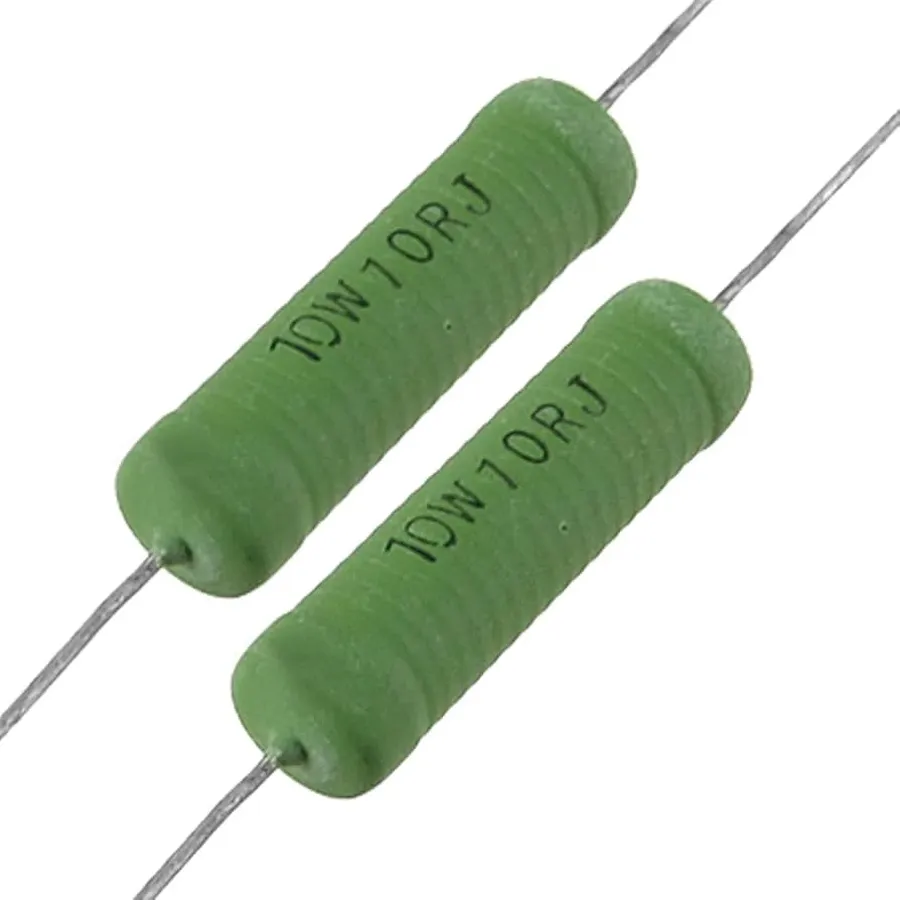
5K resistors are not monolithic; they come in various constructions, each with unique characteristics that make them suitable for different applications. The primary types include metal film, carbon film, and wire-wound, each differing in manufacturing process, performance, and cost.
| Characteristic | Metal Film Resistor | Carbon Film Resistor | Wire-Wound Resistor |
|---|---|---|---|
| Resistance Material | Thin metal film (e.g., nickel-chromium) | Carbon film deposited on a ceramic substrate | Resistive wire wound around a core |
| Tolerance | Typically 0.1% to 1% | Typically 2% to 5% | Typically 1% to 5% |
| Temperature Coefficient | Low, typically ±25 to ±100 ppm/°C | Moderate, typically ±250 to ±500 ppm/°C | Moderate to high, depending on wire material |
| Power Rating | Low to medium | Low to medium | High |
| Noise | Low | Moderate | Low |
| Stability | Excellent | Good | Good to excellent |
| Cost | Moderate to high | Low to moderate | Moderate to high |
| Typical Applications | Precision circuits, audio equipment, medical devices | General-purpose circuits, consumer electronics | High power applications, motor control, power supplies |
Metal film resistors offer superior precision, stability, and lower temperature coefficient, making them ideal for applications where these factors are critical. Carbon film resistors are a cost-effective choice for general purpose applications, with acceptable performance for many scenarios. Wire-wound resistors excel in handling high power and are often used in power circuitry.
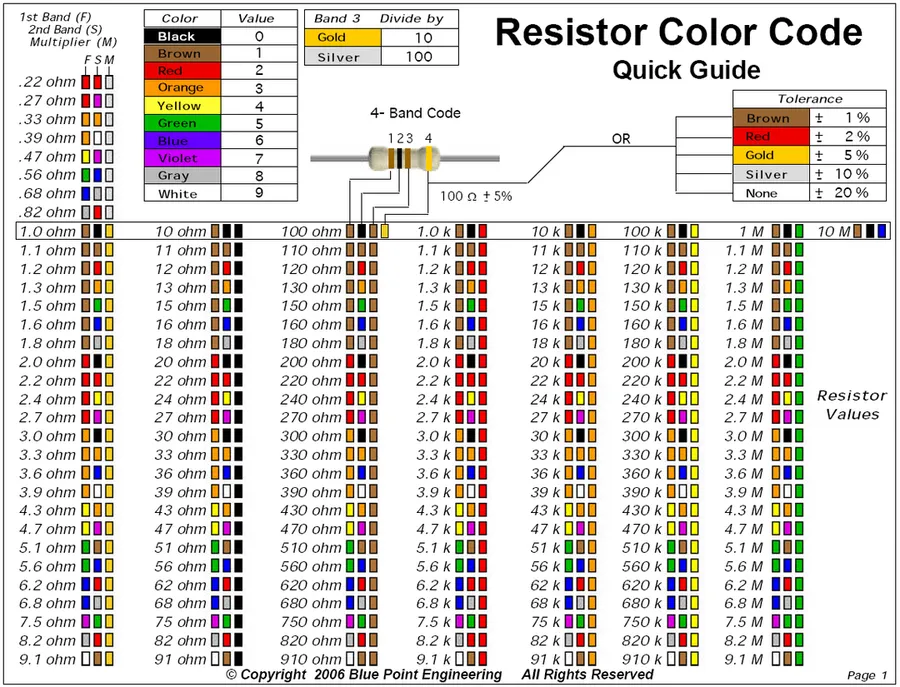
The color code system is a universally adopted method for indicating the resistance value and tolerance of resistors, especially axial lead resistors. For a 5K ohm resistor, this system uses colored bands to denote numerical values and multipliers, facilitating quick identification and proper usage in electronic circuits.
| Band | Color | Digit/Multiplier/Tolerance |
|---|---|---|
| 1st Band | Green | 5 |
| 2nd Band | Black | 0 |
| 3rd Band | Red | 100 |
| 4th Band | Gold | 5% |
For a standard 5K ohm resistor with a 5% tolerance, the color bands would be as follows: The first band represents the first significant digit which for '5' is indicated by the color green. The second band represents the second significant digit, here it's zero represented by black. The third band is the multiplier. In the case of 5k (5000), you need a multiplier of 100, indicated by red. The final band, the tolerance band, typically gold for 5% tolerance, but can also be silver (10%).
It is important to note that the tolerance band provides the acceptable range within which the actual resistance of the resistor may vary from its nominal value. For a 5K resistor with a 5% tolerance, its actual resistance could range between 4.75K ohms and 5.25K ohms.
To correctly read a resistor, position the resistor so that the tolerance band (typically gold or silver) is on the right side. Then, read the colors from left to right, interpreting each band according to the color code table.
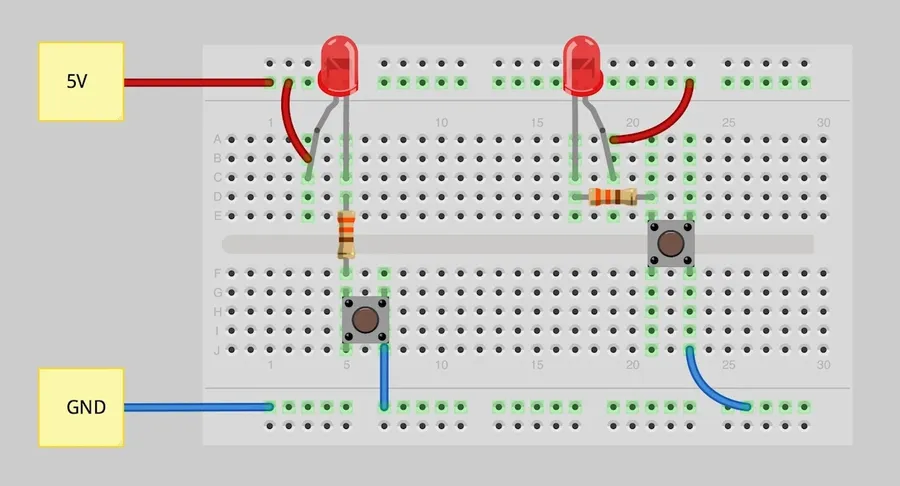
The 5K resistor, a fundamental component in electronics, serves a wide array of applications by precisely controlling current flow and voltage levels within a circuit. Its versatile nature makes it indispensable in numerous electronic designs.
These applications highlight the versatility and utility of the 5K resistor in a wide spectrum of electronic circuits. The careful selection of a 5K resistor for these purposes is essential for reliable and efficient circuit operation.
The power rating of a 5K resistor indicates the maximum amount of power it can safely dissipate without damage. Selecting the correct power rating is crucial to prevent overheating and potential failure of the resistor, ensuring the longevity and reliability of the circuit. This selection process is governed by fundamental electrical principles, primarily Ohm's Law.
Ohm's Law provides the foundation for understanding power dissipation in resistors. The relevant formulas are:
P = I^2 * R
P = V^2 / R
Where: * P is the power dissipated (in Watts) * I is the current flowing through the resistor (in Amperes) * V is the voltage across the resistor (in Volts) * R is the resistance of the resistor (in Ohms)
To calculate the power dissipated by a 5K resistor, you first need to determine either the current flowing through it or the voltage across it, depending on what is known from your circuit analysis. Then, apply one of the Ohm’s Law power formulas above to calculate the power dissipation. Finally, select a resistor with a power rating equal to or, preferably, greater than the calculated power.
For example, if a 5K resistor has a voltage of 10V across it, the power dissipated is calculated as follows: P = (10V)^2 / 5000Ω = 100 / 5000 = 0.02 Watts (or 20mW).
In this case, a resistor with a power rating of 1/8 Watt (0.125W) or higher would be appropriate, to ensure a safety margin and prevent premature failure due to excessive heat generation.
| Resistor Type | Typical Power Rating (Watts) |
|---|---|
| Standard Through-Hole | 1/8W, 1/4W, 1/2W, 1W, 2W |
| SMD (Surface Mount Device) | 1/16W, 1/10W, 1/8W, 1/4W |
Note that it is always better to use a higher power rating than calculated, as this provides a margin of safety and often has little or no impact on cost.
Resistor tolerance specifies the allowable deviation of a resistor's actual resistance from its stated nominal value. This deviation is expressed as a percentage, directly impacting the precision of circuits. A 5K resistor with a 5% tolerance, for example, may have a resistance that varies from 4.75K to 5.25K ohms, whereas a 0.1% tolerance resistor will have a much smaller variation, influencing circuit accuracy, making tolerance a crucial factor to consider when selecting a resistor.
| Tolerance (%) | Resistance Range for 5K Resistor | Typical Applications | Precision Level |
|---|---|---|---|
| 0.1% | 4995 Ω - 5005 Ω | Precision circuits, instrumentation, medical equipment | Very High |
| 1% | 4950 Ω - 5050 Ω | Audio equipment, industrial control systems | High |
| 2% | 4900 Ω - 5100 Ω | General purpose circuits, some sensor applications | Medium |
| 5% | 4750 Ω - 5250 Ω | General purpose electronics, hobbyist projects | Standard |
| 10% | 4500 Ω - 5500 Ω | Less demanding applications, basic circuits | Low |
The choice between precision and standard tolerance depends on the circuit's requirements. High-tolerance resistors are suitable for general-purpose applications where minor variations in resistance do not significantly affect performance. Precision resistors are necessary in applications where accurate and stable resistance values are essential to ensure optimal circuit functionality, such as precision measurement equipment. This variation is a critical factor to consider during circuit design and component selection.
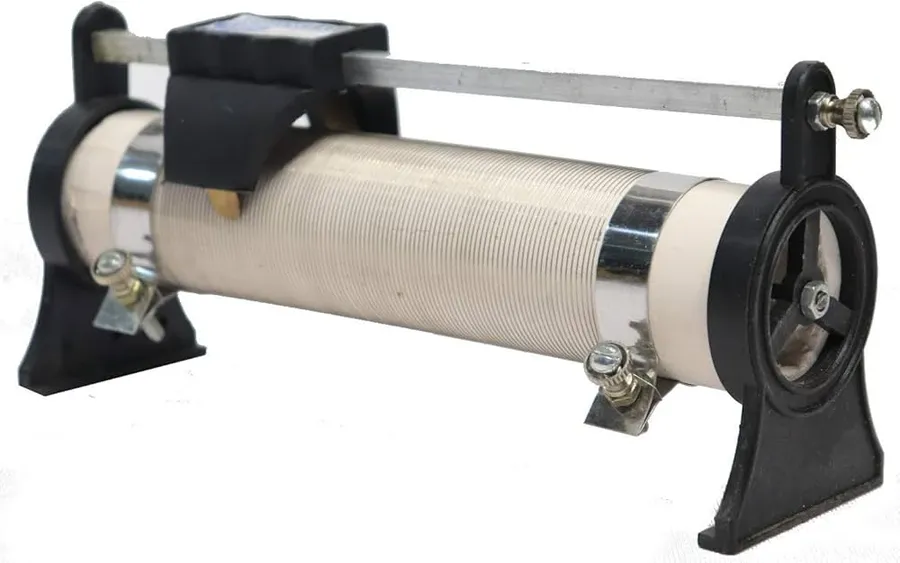
While a standard 5K resistor offers a fixed resistance, variable resistors like potentiometers and rheostats allow for dynamic adjustments to resistance within a circuit. A 5k resistor can be a key element in these variable components, enabling circuits to adapt to changing needs.
Potentiometers and rheostats are fundamental components for circuits requiring variable resistance. A potentiometer uses a 5k resistor to divide voltage, controlled by a rotating or sliding contact, enabling fine-tuning of voltage levels. A rheostat, conversely, controls current by varying the resistance, commonly used in applications needing dimming control or motor speed adjustments.
| Feature | Potentiometer | Rheostat |
|---|---|---|
| Primary Function | Voltage Divider | Current Control |
| Connections | Three terminals | Two terminals |
| Typical Application | Volume control, sensor calibration | Dimming lights, motor speed |
| Resistance Range | Fixed maximum, adjustable from zero to maximum | Variable, not using all available resistance |
| 5K Resistor Role | Part of resistive element between end terminals | Provides the total resistance available |
In potentiometers, the 5k resistor forms the resistive element across which a wiper or slider moves. This movement changes the proportion of the resistance seen from the wiper terminal, dividing the voltage accordingly. Rheostats utilize the 5k resistor, or a portion of its resistive path, to limit current. The adjustment determines how much of the resistance is in the current's path, thereby altering the flow of current within the circuit.
The selection of a 5k resistor for use in potentiometers or rheostats often involves considering factors such as the desired resistance range, power handling requirements, and the physical size needed for the application. A 5k resistor, in these applications, may require specific attributes like linearity and rotational life, dependent on the desired performance.
This section addresses common queries regarding 5k resistors, offering concise and authoritative answers to enhance understanding and practical application of these essential electronic components.
Choosing the correct 5K resistor for a specific application requires careful consideration of several key parameters to ensure optimal circuit performance and longevity. These include power rating, tolerance, resistor type, and the environmental conditions where the resistor will operate. Ignoring these factors can lead to component failure or erratic circuit behavior.
| Factor | Considerations | Implications |
|---|---|---|
| Power Rating | Must exceed the calculated power dissipation | Prevents overheating and premature failure |
| Tolerance | Depends on application's sensitivity to resistance variation | Affects circuit accuracy and performance |
| Resistor Type | Metal film, carbon film, wire wound, and SMD options | Performance, cost and mounting requirements |
| Environmental Factors | Temperature, humidity and working environment | Impacts long-term reliability and stability |
| Package Type | Through-hole or SMD, physical size and pin configuration | Suitability for PCB layout and manufacturing |
The 5k resistor, a seemingly simple component, plays a critical role in countless electronic circuits. Understanding its types, applications, and the factors that affect its performance empowers you to design and build more efficient and reliable electronic projects. Whether you're a seasoned engineer or a hobbyist, the humble 5k resistor remains a vital part of your toolkit. By mastering its nuances, from power rating to tolerance, you open the door to endless possibilities within the realm of electrical engineering. This knowledge is your foundation for creating innovative and effective solutions using the omnipresent 5k resistor.

