In the realm of electronics, the electrical diode stands as a fundamental component, acting as a one-way gate for electrical current. Like a one-way street for electrons, it allows current to flow easily in one direction but significantly restricts it in the opposite. This seemingly simple property makes diodes indispensable in countless applications, from rectifying AC power to protecting sensitive circuits. This article delves into the world of electrical diodes, exploring their operation, diverse types, and practical applications, bridging the gap between the basic principles and their profound impact on modern technology.
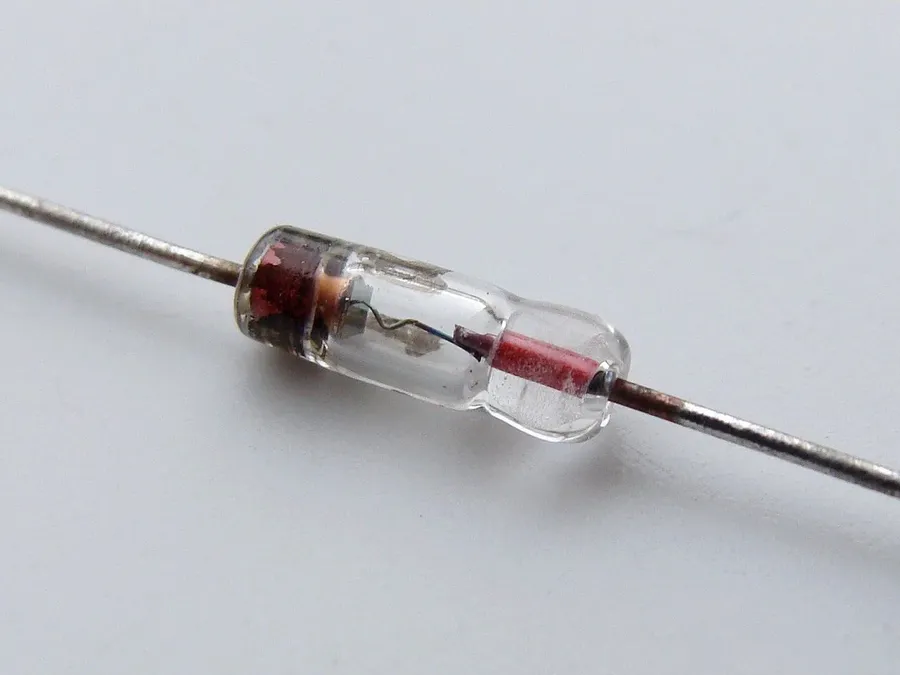
An electrical diode is a fundamental semiconductor device characterized by its asymmetric conduction properties; it permits electrical current to flow with minimal resistance in one direction, known as forward bias, while exhibiting very high resistance in the opposite direction, referred to as reverse bias. This unidirectional current flow makes diodes essential components in a wide array of electronic circuits.
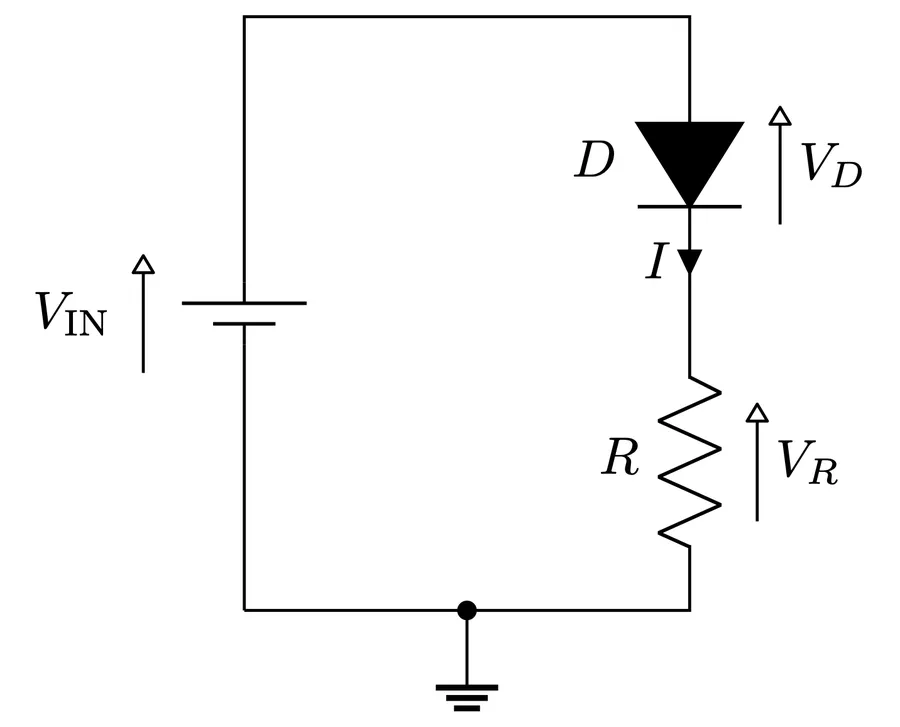
The operational heart of an electrical diode lies in the behavior of its PN junction under varying bias conditions. This junction, formed by joining p-type and n-type semiconductor materials, dictates the diode's ability to conduct current in one direction while impeding it in the opposite.
Specifically, diodes exhibit two primary modes of operation: forward bias and reverse bias. These modes are crucial to understanding how a diode functions as a one-way gate for electrical current.
| Operational Mode | Polarity | Junction Behavior | Current Flow | Description |
|---|---|---|---|---|
| Forward Bias | Anode positive relative to cathode | Depletion region narrows | Significant current flows | The diode behaves like a closed switch, allowing current to pass easily. |
| Reverse Bias | Anode negative relative to cathode | Depletion region widens | Negligible current flow (leakage current) | The diode behaves like an open switch, blocking current flow. |
The PN junction, with its depletion region, is the key to this behavior. Under forward bias, the applied voltage reduces the depletion region width, allowing majority carriers to move across the junction, resulting in current flow. Conversely, under reverse bias, the applied voltage widens the depletion region, preventing majority carrier movement and resulting in very little current flow (a small leakage current due to minority carriers).
Understanding the concepts of forward and reverse bias is essential for designing and utilizing diodes effectively in electrical circuits. The precise control over current flow enabled by the diode's directional properties is the fundamental principle upon which many electronic devices rely.
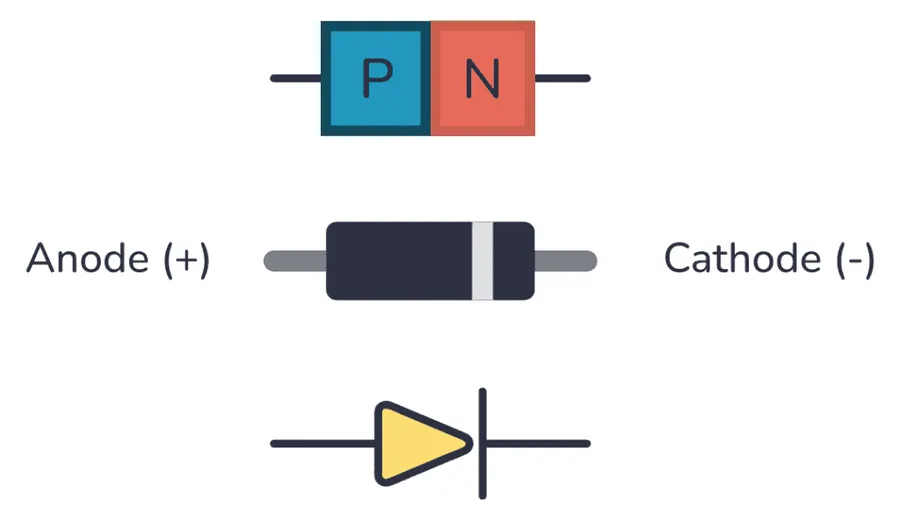
An electrical diode's function is intrinsically tied to its two terminals: the anode and the cathode. These terminals, with their distinct polarities, dictate the direction of current flow through the diode, making them fundamental to its operation as a one-way conductor.
| Component | Description | Polarity | Effect on Current Flow |
|---|---|---|---|
| Anode | The positive terminal of the diode. | Positive (+) | When a positive voltage is applied to the anode relative to the cathode (forward bias), current flows easily. |
| Cathode | The negative terminal of the diode. | Negative (-) | When a positive voltage is applied to the cathode relative to the anode (reverse bias), current flow is greatly impeded. |
Understanding the polarity of the anode and cathode is crucial for correct circuit design. Incorrect biasing can prevent the desired behavior or even damage the diode. The diode's ability to allow current to flow primarily from anode to cathode and not in the reverse direction is what makes it an indispensable component in electronic circuits.
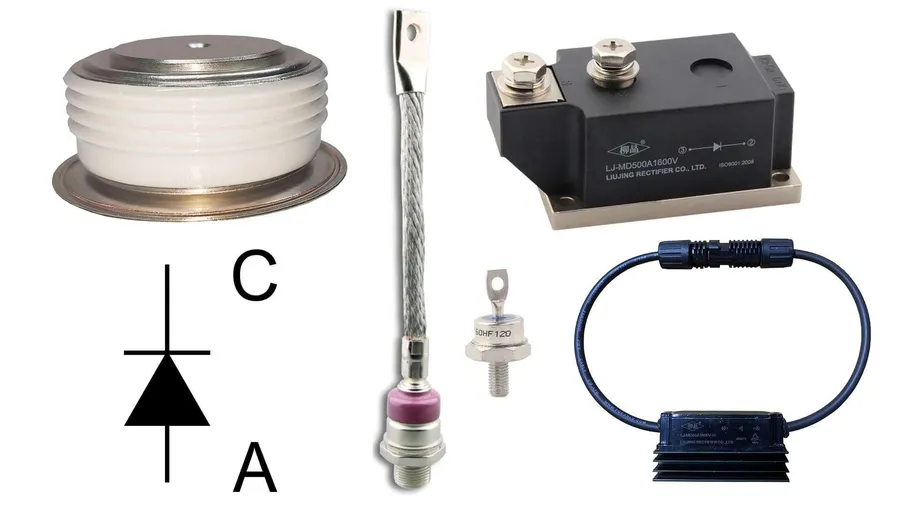
Diodes, while fundamentally acting as one-way current valves, come in a diverse range of types, each engineered for specific applications by manipulating their physical and electrical properties. This section provides a detailed exploration of several key diode types, including rectifier diodes, Zener diodes, Schottky diodes, light-emitting diodes (LEDs), and photodiodes, highlighting their unique characteristics, operational mechanisms, and application areas.
| Diode Type | Symbol | Primary Function | Key Characteristics | Typical Applications |
|---|---|---|---|---|
| Rectifier Diode | A triangle pointing to a line | AC to DC conversion | High forward current capacity, moderate reverse blocking | Power supplies, battery chargers |
| Zener Diode | A triangle pointing to a line with bent edges on the line | Voltage regulation | Stable reverse breakdown voltage | Overvoltage protection, voltage reference |
| Schottky Diode | A triangle pointing to a bent line | High-speed switching | Low forward voltage drop, fast recovery | Switching power supplies, RF applications |
| Light Emitting Diode (LED) | A triangle pointing to a line with two arrows going out | Light emission | Electroluminescence | Lighting, displays, signaling |
| Photodiode | A triangle pointing to a line with two arrows coming in | Light detection | Converts light to current | Optical sensors, light meters, solar cells |
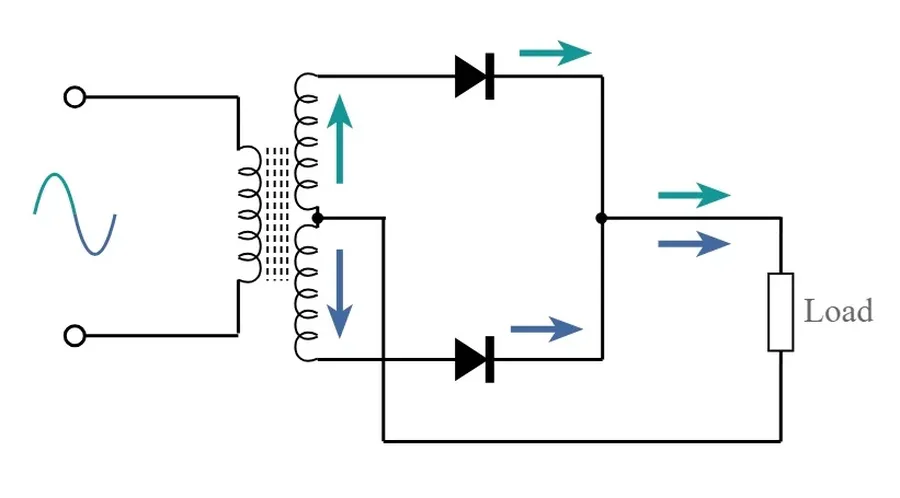
Rectifier diodes are fundamental components in power electronics, designed specifically to convert alternating current (AC) into direct current (DC). This conversion is crucial for most electronic devices, as they operate on DC power, while the power grid delivers AC. The rectifier diode's ability to allow current flow predominantly in one direction makes it ideal for this task.
| Characteristic | Description |
|---|---|
| Function | Converts AC to DC |
| Forward Bias | Allows current to flow with minimal resistance |
| Reverse Bias | Blocks current flow with high resistance |
| Key Application | Power supplies, battery chargers, inverters |
The core functionality of rectifier diodes stems from their PN junction. Under forward bias (anode more positive than cathode), the diode presents low resistance, allowing current to pass through. Conversely, under reverse bias (cathode more positive than anode), the diode offers high resistance, effectively blocking current flow. This behavior allows rectifier diodes to act as one-way electrical valves, essential for the AC-to-DC conversion process. Full-wave and half-wave rectifiers use one or more rectifier diodes to ensure a consistent DC output.
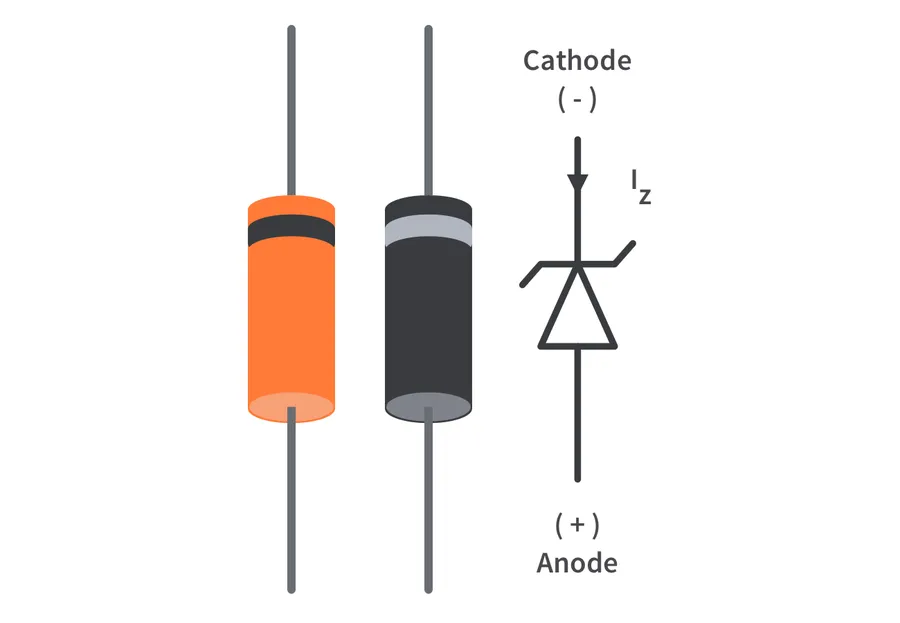
Zener diodes are specifically engineered semiconductor devices that, unlike standard diodes, are designed to operate reliably in the reverse breakdown region. This unique characteristic enables them to maintain a stable voltage across their terminals, making them crucial for voltage regulation and overvoltage protection in electronic circuits.
The key difference between a standard diode and a Zener diode lies in their doping levels. Zener diodes have a heavily doped PN junction, which results in a much sharper and lower reverse breakdown voltage compared to a standard diode. This controlled breakdown allows the Zener diode to conduct current in the reverse direction when the reverse voltage reaches its specific breakdown voltage (Zener voltage).
| Feature | Standard Diode | Zener Diode |
|---|---|---|
| Reverse Bias Operation | Blocks current until destructive breakdown | Conducts current predictably at Zener voltage |
| Doping Level | Lightly doped PN junction | Heavily doped PN junction |
| Primary Application | Rectification, general purpose | Voltage regulation, overvoltage protection |
| Breakdown Voltage | High and unpredictable | Precise and controlled (Zener Voltage) |
Zener diodes are widely used in various applications, the most important being voltage regulation in power supplies. Here, they are employed to ensure a stable output voltage, regardless of fluctuations in the input voltage or changes in the load current. They also play a vital role in overvoltage protection, where the diode will shunt excess voltage to the ground to protect sensitive circuit components.
Furthermore, Zener diodes are frequently used as reference voltage sources, which is a vital component in many electronic devices. When selecting a Zener diode for a specific application, parameters such as the desired Zener voltage, power rating, and tolerance must be carefully considered. These factors are critical to ensuring the diode performs effectively and safely within the circuit.
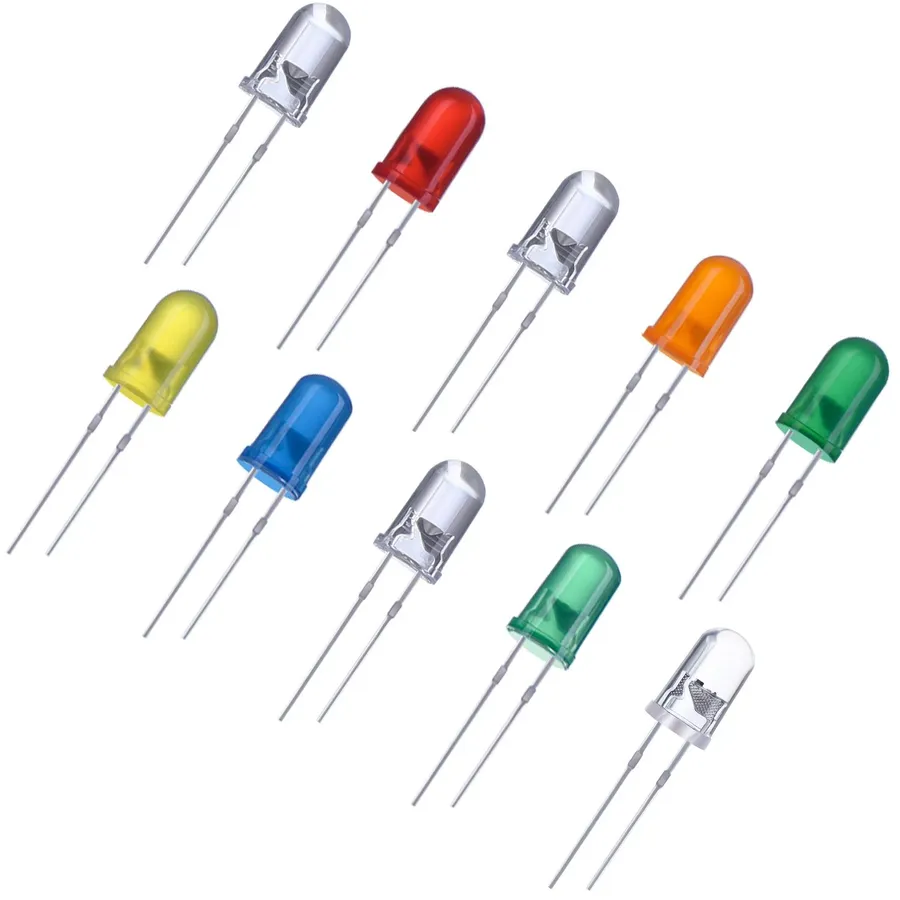
Light Emitting Diodes (LEDs) are semiconductor devices that emit light when an electric current passes through them. This phenomenon, known as electroluminescence, arises from the recombination of electrons and holes within the semiconductor material. LEDs have revolutionized lighting, displays, and numerous other applications due to their high efficiency, long lifespan, and versatility.
LEDs are fundamentally different from traditional incandescent light sources. Incandescent bulbs generate light by heating a filament, which is energy-inefficient. LEDs, conversely, directly convert electrical energy into light, offering significant energy savings and reduced heat generation.
| Feature | LED | Incandescent Bulb |
|---|---|---|
| Energy Efficiency | High | Low |
| Lifespan | Long (up to 50,000 hours) | Short (around 1,000 hours) |
| Heat Generation | Low | High |
| Switching Speed | Fast | Slow |
| Durability | High (solid-state) | Low (fragile glass) |
| Color Options | Wide range | Limited (yellowish) |
The core of an LED is a semiconductor diode with a p-n junction. When forward biased, electrons from the n-type material cross the junction to the p-type material, where they recombine with holes. This recombination releases energy in the form of photons – light. The color of the light depends on the band gap energy of the semiconductor material used.
LEDs offer a multitude of applications, leveraging their unique properties: Displays (smartphones, TVs, monitors), general lighting (homes, offices, streetlights), automotive lighting (headlights, taillights), backlighting (LCD screens), and optical communications (fiber optics) Their small size, robustness, and low power consumption make them essential components in modern electronics.
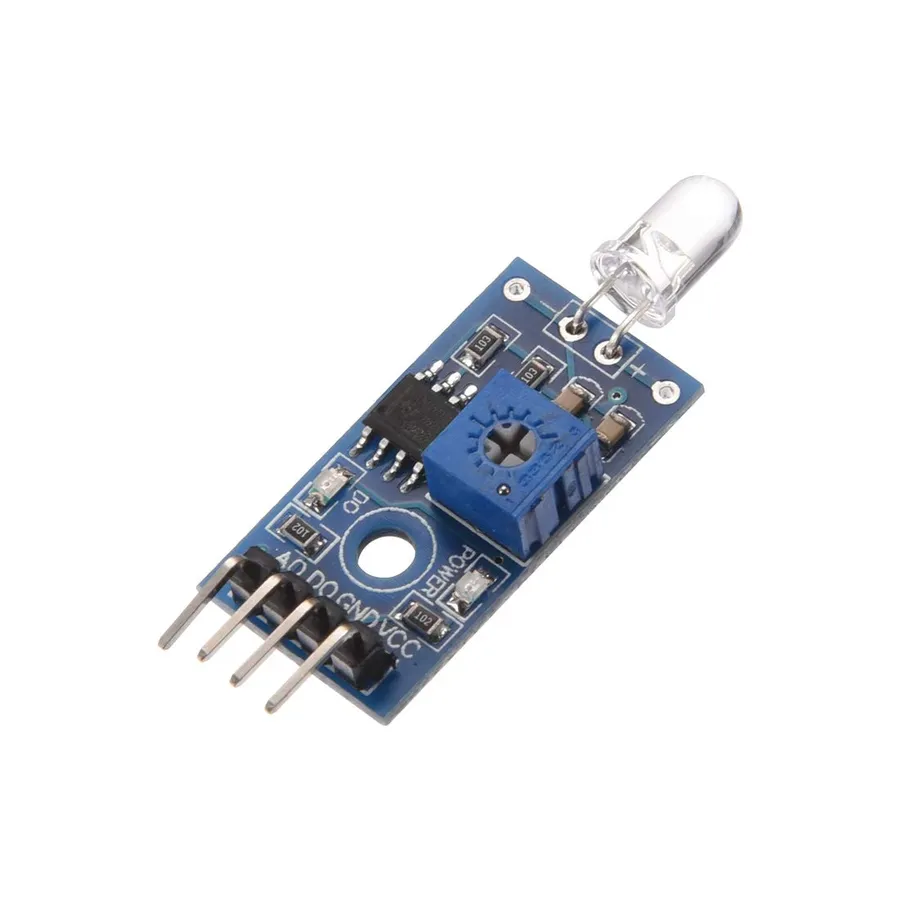
Photodiodes are semiconductor devices designed to convert light into electrical current. They are fundamentally PN junction diodes, but their unique construction optimizes them for light detection. When photons strike the photodiode's active area, they generate electron-hole pairs, leading to a current flow proportional to the light intensity. This characteristic makes them invaluable in various applications requiring light detection and measurement.
| Characteristic | Description |
|---|---|
| Operating Principle | Converts photons into electrical current via the photovoltaic effect. |
| Primary Function | Light detection and measurement. |
| Active Material | Typically silicon, germanium, or InGaAs, depending on the wavelength of light to be detected. |
| Response Time | Fast response to changes in light intensity, making them suitable for high-speed applications. |
| Applications | Light meters, optical communication systems, solar cells, and medical imaging equipment. |
| Bias Mode | Operate in either photovoltaic (no external voltage) or photoconductive (reverse-biased) mode. |
Photodiodes find extensive use in a range of applications that involve light detection. In light meters, they accurately measure light intensity for photography and other lighting applications. In optical communication systems, photodiodes act as detectors to convert optical signals into electrical signals. As components in solar cells, they convert sunlight into electricity. Furthermore, in medical imaging equipment, they form the core of light-sensing devices enabling technologies like pulse oximetry. Their versatility and precision in converting light into electrical signals make photodiodes an indispensable component in modern technologies.
This section addresses common questions about electrical diodes, providing clear and concise answers to user queries regarding their function, usage, and behavior in circuits. These questions are designed to clarify common points of confusion and offer practical insights.
The electrical diode, a seemingly simple component, is truly the unsung hero of modern electronics. From its fundamental role in rectifying power to its diverse applications in lighting, sensing, and voltage regulation, the diode demonstrates the power of directed current flow. Understanding its properties and various forms not only unravels the workings of electronic circuits but also underscores the beauty of how simple principles can enable complex technologies. As technology continues to advance, the humble electrical diode will undoubtedly remain a pivotal building block for innovations to come, shaping the future of our world.

