In the intricate dance of electrons within electronic circuits, the 330 ohm resistor plays a pivotal role. Like a carefully placed traffic controller, it regulates the flow of electrical current, ensuring the smooth operation of countless devices. It's a tiny component, but it's an unsung hero in our tech-driven lives, from the LED lights that illuminate our homes to the complex circuitry within our smartphones. This article will break down everything you need to know about the 330 ohm resistor, exploring its uses, deciphering its color code, and offering a practical guide to its applications.
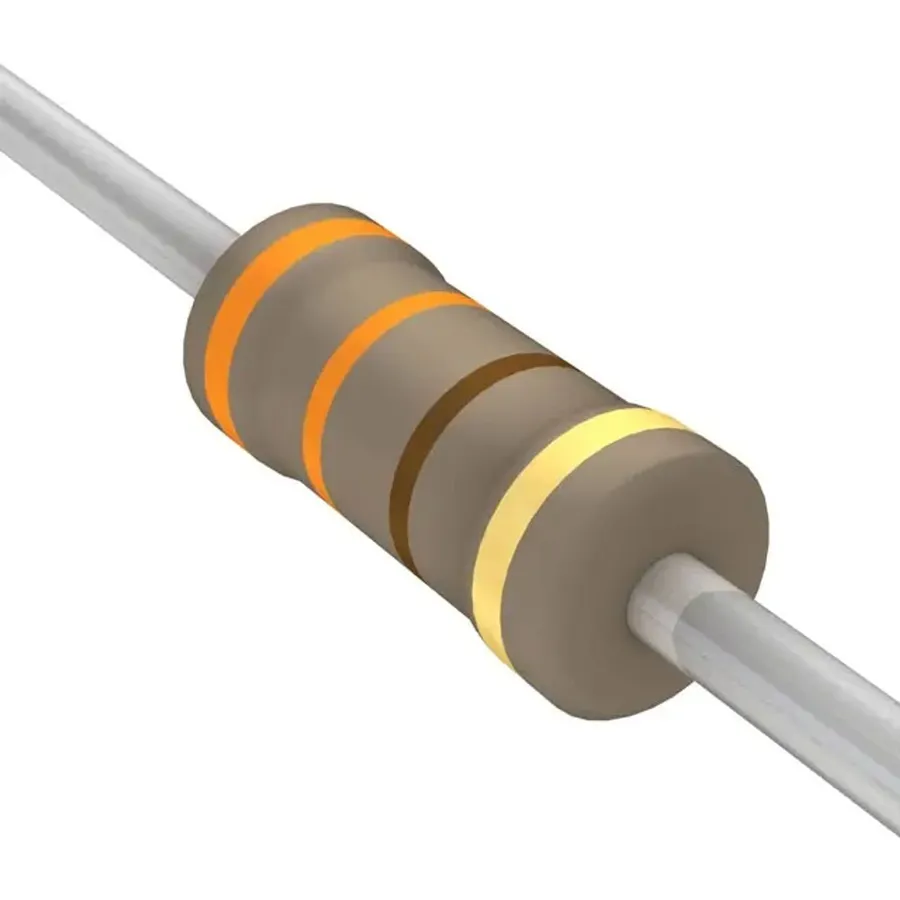
A 330 ohm resistor is a fundamental passive electronic component characterized by its opposition to electrical current flow, with a specific resistance value of 330 ohms. This standard value is widely employed across numerous circuit designs to regulate current, establish voltage divisions, and execute other critical functions. Its precise resistance makes it indispensable in circuit design, and understanding its role is key to electronics engineering.
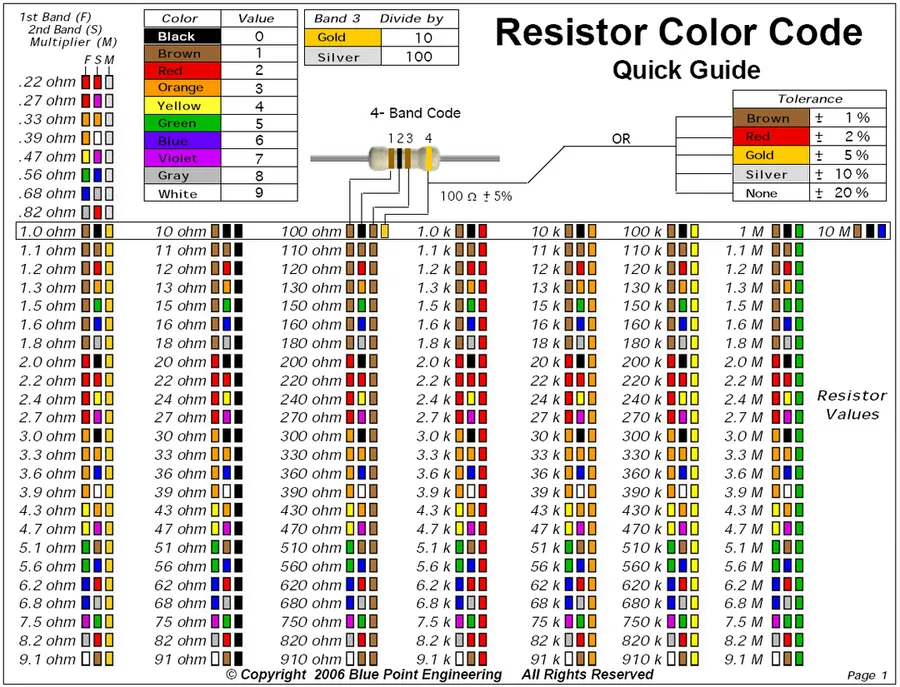
The color code on a resistor is a standardized system for indicating its resistance value, particularly crucial for through-hole components. A 330 ohm resistor is typically identified by four color bands: Orange, Orange, Brown, and Gold. These bands are read in a specific order to accurately determine the resistance and tolerance.
| Band | Color | Value | Multiplier/Tolerance |
|---|---|---|---|
| 1st Band | Orange | 3 | |
| 2nd Band | Orange | 3 | |
| 3rd Band | Brown | x10 | |
| 4th Band | Gold | ±5% |
To decode the color bands, the first two bands represent the digits of the resistance value. The third band indicates the multiplier (power of ten) and the final band represents tolerance. In the case of 330 Ohm resistor, Orange-Orange-Brown-Gold translates to 33 x 10^1 Ohms with 5% tolerance, so 330 Ohms.
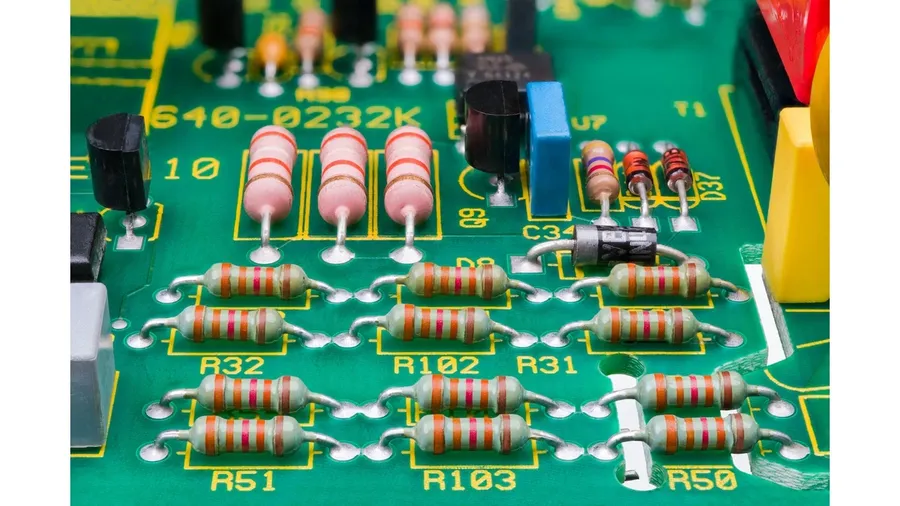
The 330 ohm resistor is a staple in electronics, serving as a crucial component in various applications due to its ability to limit current and drop voltage. Its most notable function is in protecting sensitive components like LEDs from overcurrent damage, ensuring stable circuit operation.
In LED circuits, a 330 ohm resistor is frequently used to regulate the current flowing through the LED. Without this resistor, the LED would draw excessive current and fail prematurely. In addition to LEDs, the 330 ohm resistor can be used in many circuits, including signal conditioning, basic amplifier circuits, and as pull up/down resistors.
| Application | Function | Reason |
|---|---|---|
| LED Circuits | Current Limiting | Prevents LED burnout from excessive current. |
| Voltage Dividers | Voltage Reduction | Creates a reference voltage from a higher voltage source. |
| Signal Conditioning | Signal Attenuation | Reduces voltage/current levels for sensitive electronics. |
| Pull-up/Pull-down Resistors | Defines Logic Levels | Ensures digital input lines are at a definite state when not actively driven. |
Calculating the appropriate resistor value is essential, especially when dealing with LEDs. Ohm’s Law is used to calculate a suitable resistor for LED protection, the formula is as follow: R = (Vs - Vled) / I, where Vs is the source voltage, Vled is the forward voltage of the LED, and I is the desired current through the LED. This approach is not only specific to LEDs but can be used in other scenarios when calculating current limiting resistors in various circuits.

In the realm of custom electronics, the 330 ohm resistor plays a pivotal role, particularly within the popular Game Boy Macro modification. This modification transforms a Nintendo DS Lite into a single-screen handheld console, and the 330 ohm resistor is crucial for enabling proper functionality. Its primary function is to act as a pull-up resistor, influencing the behavior of the modified console's circuitry by establishing a specific voltage level which then dictates single screen operation.
The Game Boy Macro mod involves removing the top screen of a Nintendo DS Lite. Without the top screen, the console's firmware expects two screens to be connected. This can result in errors or the unit not functioning properly. Therefore, the use of the 330 Ohm resistor creates a simulated load which the console detects, tricking the system into behaving as if a screen was still connected. This is achieved by connecting a 330 ohm resistor between specific points on the motherboard. This pulls one signal to a high voltage, and the console is able to detect that single screen. Below is a table of locations of 330 ohm resistors in the Gameboy Macro mod:
| Component | Location | Function |
|---|---|---|
| 330 Ohm Resistor (Pull-up) | Between specific test pads or points on the DS Lite motherboard associated with the top screen | Simulates the presence of the top LCD, enabling single-screen operation by keeping the voltage high. |
The precise location and technique for soldering the 330 ohm resistor might vary depending on the specific guide or tutorial being followed. Typically, one lead of the resistor is soldered to a specific signal point or test pad that was associated with the top screen, and the other to the voltage rail. It is essential to exercise caution and precision when soldering in such small-scale electronic work. If it is not properly done, the mod might not work or could damage the system. Correct installation of the 330 ohm resistor is critical for the Game Boy Macro to function correctly with its modified single-screen interface, and represents a good use case for such a small component.
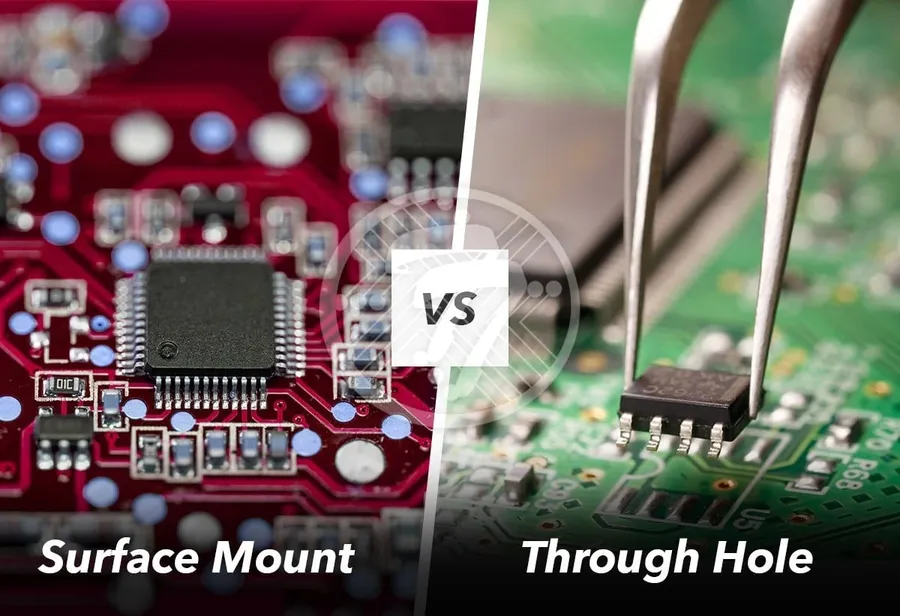
330 Ohm resistors, like all resistors, are available in two primary mounting styles: Surface Mount Devices (SMD) and Through-Hole. Each type possesses distinct characteristics, advantages, and disadvantages that dictate their suitability for various applications, especially concerning physical size and assembly methods in electronic circuits.
| Feature | Surface Mount (SMD) 330 Ohm Resistor | Through-Hole 330 Ohm Resistor |
|---|---|---|
| Size | Extremely small, various standardized package sizes (e.g., 0805, 0603) | Larger, with leads for insertion into plated through-holes |
| Mounting | Soldered directly onto the surface of the PCB | Inserted through holes in the PCB and soldered on the opposite side |
| Assembly | Typically requires automated pick-and-place machines and reflow soldering. | Can be hand-soldered or wave-soldered, offering flexibility. |
| Density | High component density is achievable, allowing for compact designs | Lower component density due to larger size and hole requirements. |
| Durability | Less robust to physical stress than through-hole | More robust to physical stress and mechanical forces |
| Cost | Generally lower cost in mass production | Generally higher cost, particularly in large volumes. |
| Ideal Use Case | High-volume, compact electronic devices where space is a premium | Prototyping, low-volume production, educational, and robust physical setups. |
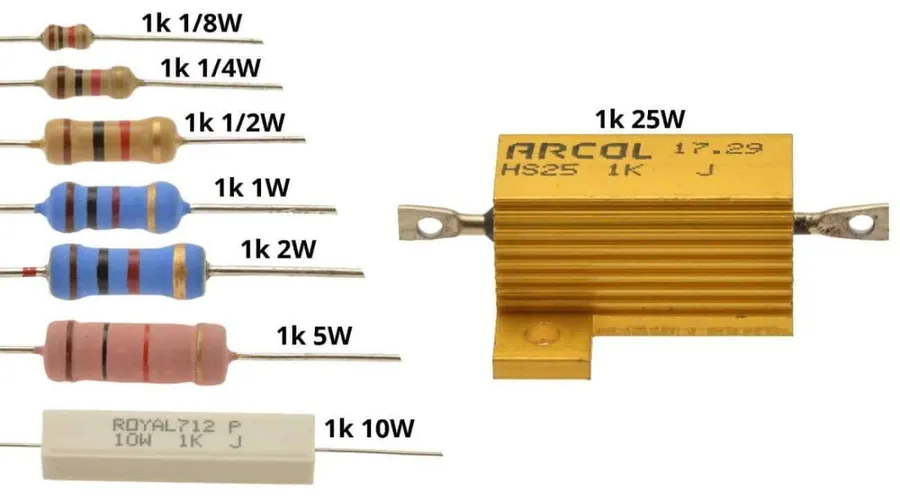
Understanding the tolerance and wattage ratings of a 330 ohm resistor is crucial for ensuring circuit functionality and preventing component failure. These specifications dictate how much the actual resistance can deviate from the nominal 330 ohms and how much power the resistor can safely dissipate as heat.
| Parameter | Description | Significance |
|---|---|---|
| Tolerance | The acceptable range of variation from the stated resistance value. | Impacts the precision of the resistor and how accurately it performs in a circuit. Common tolerance values include 1%, 5%, and 10%. |
| Wattage | The maximum amount of power the resistor can dissipate as heat without damage. | Essential for preventing overheating and component failure, particularly in high-current circuits. Common wattage ratings include 1/8W, 1/4W, 1/2W, 1W, and 2W. |
For instance, a 330 ohm resistor with a 5% tolerance rating can have an actual resistance that ranges between 313.5 ohms and 346.5 ohms. The power dissipated by a resistor can be calculated using Joule's Law: P = I²R or P = V²/R, where P is the power in watts, I is the current in amperes, V is the voltage in volts, and R is the resistance in ohms. It's imperative to select a resistor with a wattage rating that exceeds the expected power dissipation in the circuit to ensure stable operation and longevity.
Selecting the appropriate tolerance and wattage is crucial. If the application demands precise resistance, a lower tolerance resistor is necessary. For circuits with high current or voltage, the selected resistor must have a sufficient wattage rating to dissipate the heat generated by the current passing through it. This careful selection process will avoid damage due to excessive heat, leading to a safe and reliable operation.
This section addresses common queries regarding 330 ohm resistors, covering their color codes, applications in circuits, and general usage. The answers provided aim to offer clear, concise, and technically accurate explanations.
Sourcing 330 ohm resistors requires considering both online and brick-and-mortar options, each with distinct advantages and disadvantages. The best choice depends on factors like cost, quantity, urgency, and your specific project needs. This section provides guidance on navigating these options effectively.
| Factor | Online Retailers | Specialized Suppliers | Local Stores | Auction Sites |
|---|---|---|---|---|
| Variety | Wide | Very Wide | Limited | Variable |
| Price | Competitive | Higher (lower for bulk) | Higher | Often Lower (quality varies) |
| Availability | Good | Good | Immediate | Variable |
| Quality | Good | Excellent | Variable | Highly Variable |
| Shipping | Wide coverage | Wide coverage | None (Immediate Pickup) | Variable |
| Ideal for | General Use, DIY projects | Professional projects, large quantity | Urgent needs, small quantity | Budget buyers (with caution) |
When encountering issues in electronic circuits involving a 330 ohm resistor, a systematic approach to troubleshooting is essential. This involves understanding potential failure modes and utilizing a multimeter to verify the resistor's integrity and performance.
The 330 ohm resistor, a seemingly simple component, is the workhorse of countless electronic devices. Whether it's limiting current in an LED circuit or enabling a modification for a game console, its importance is undeniable. Understanding its color code, wattage, and the differences between surface mount and through-hole options are crucial for every electronics enthusiast and professional. Armed with this knowledge, you can confidently select, integrate, and troubleshoot circuits involving the crucial 330 ohm resistor in your projects and bring more life into your devices. As technology evolves, this component will continue to play a central role in many innovations for years to come.

