In our energy-dependent world, efficiency is key. Like a well-tuned engine, our electrical systems need to operate optimally. The unsung hero behind this is the power factor correction (PFC) capacitor, a small but mighty component that reduces reactive power, thereby improving efficiency and lowering energy costs. This article will delve into the workings, benefits, and practical aspects of using PFC capacitors, and how they impact our daily lives, both within industries and at home, paving the way to understanding how we can better manage our energy consumption.
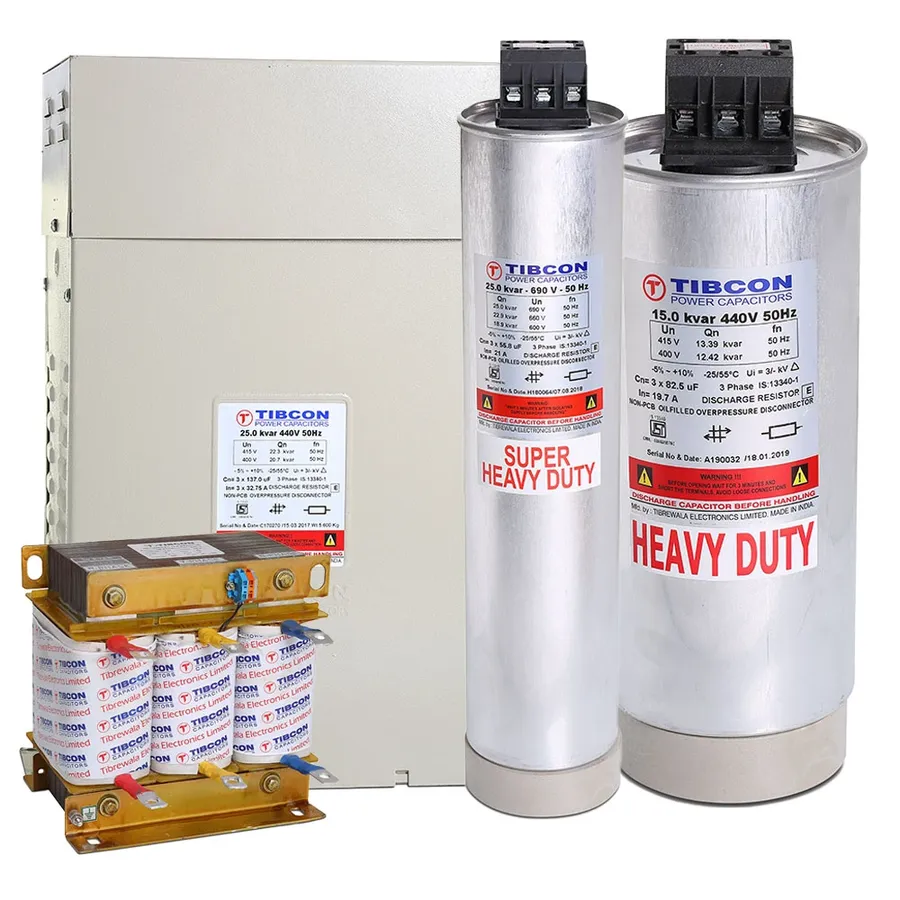
A Power Factor Correction (PFC) capacitor is a crucial component in electrical systems designed to improve power factor, a measure of how effectively electrical power is being used. It addresses the issue of reactive power, which does not perform useful work but circulates in the system, increasing energy consumption and potentially causing inefficiencies. By counteracting reactive power, PFC capacitors reduce energy waste and lower operational costs.
At the heart of the matter lies the concept of power factor. A power factor of 1 (or 100%) indicates that all the power delivered to a load is used to perform work, while a power factor less than 1 signifies that some power is wasted as reactive power. Reactive power arises due to inductive loads like motors and transformers, where the current lags behind the voltage. PFC capacitors, acting as capacitive loads, introduce a leading current that cancels out the lagging current from inductive loads, thus improving the power factor.
The significance of power factor directly impacts energy consumption and costs. Utilities often penalize consumers with poor power factors because they must supply more current than required for the actual work being done. By using PFC capacitors, businesses and facilities can avoid these penalties and reduce electricity bills. Furthermore, improving power factor enhances system capacity by reducing the strain on the electrical network, prolonging the lifespan of electrical equipment and reducing the risk of failures.
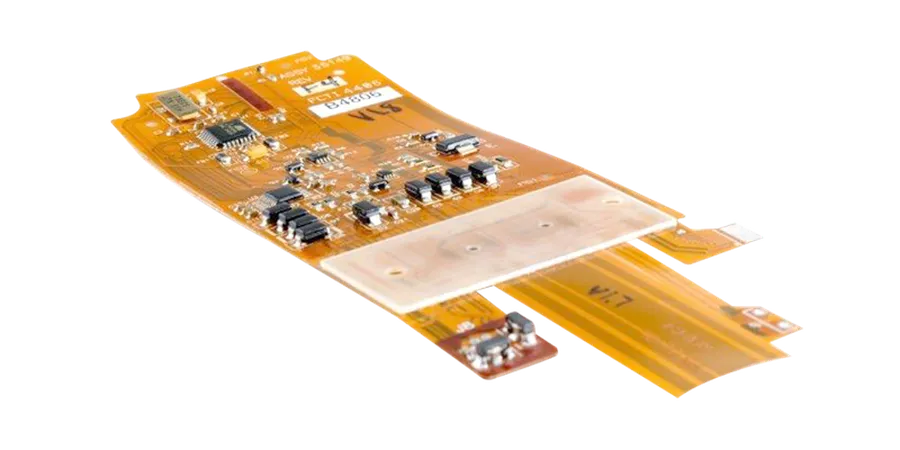
Power Factor Correction (PFC) capacitors are employed in electrical systems to improve power factor by counteracting the effects of inductive loads. These capacitors operate by supplying reactive power, thereby reducing the burden on the power grid and improving overall system efficiency. The core principle lies in the interaction between capacitance and inductance within an alternating current (AC) circuit.
In AC circuits, inductive loads like motors and transformers cause the current to lag behind the voltage, resulting in reactive power. This reactive power does not perform useful work, but it increases the total current in the system, leading to losses and inefficiencies. A PFC capacitor, when introduced into the circuit, acts as a source of leading current. This leading current is out of phase with the lagging current, and the two partially cancel each other out, reducing the net reactive power and improving the power factor.
The analogy to a mechanical system is helpful. Imagine a tug-of-war where one team (representing inductive loads) is pulling backward and another team (representing the supply) is pulling forward. The PFC capacitor acts like a third team, pulling forward and slightly ahead of the supply team, thereby balancing the backward pull of the inductive load. This results in a more efficient transfer of work, analogous to electrical system with high power factor
| Component | Effect on AC Circuit | Current Phase Relative to Voltage |
|---|---|---|
| Inductive Load (e.g., Motor) | Causes current to lag behind voltage | Lagging |
| PFC Capacitor | Causes current to lead the voltage | Leading |
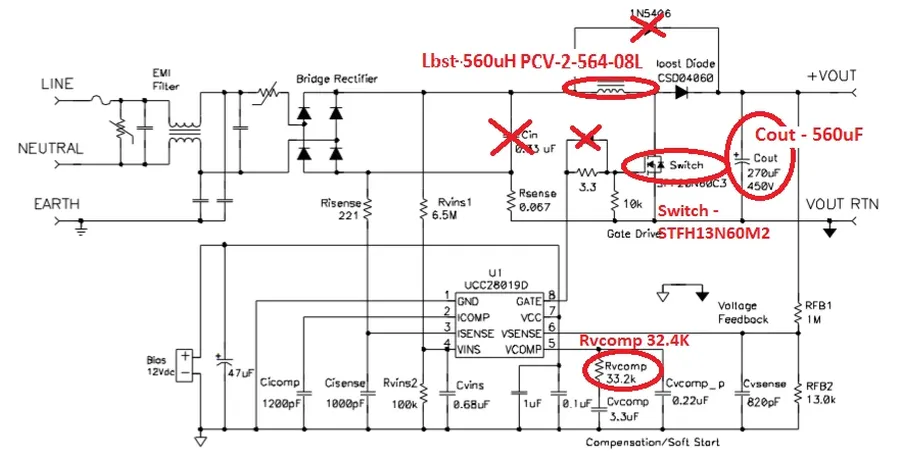
Power Factor Correction (PFC) capacitors offer substantial benefits across economic, operational, and environmental dimensions. These capacitors are primarily used to mitigate the adverse effects of reactive power, leading to improved system efficiency and reduced costs. By addressing low power factors, PFC capacitors not only prevent financial penalties but also enhance the overall performance and longevity of electrical systems and equipment.
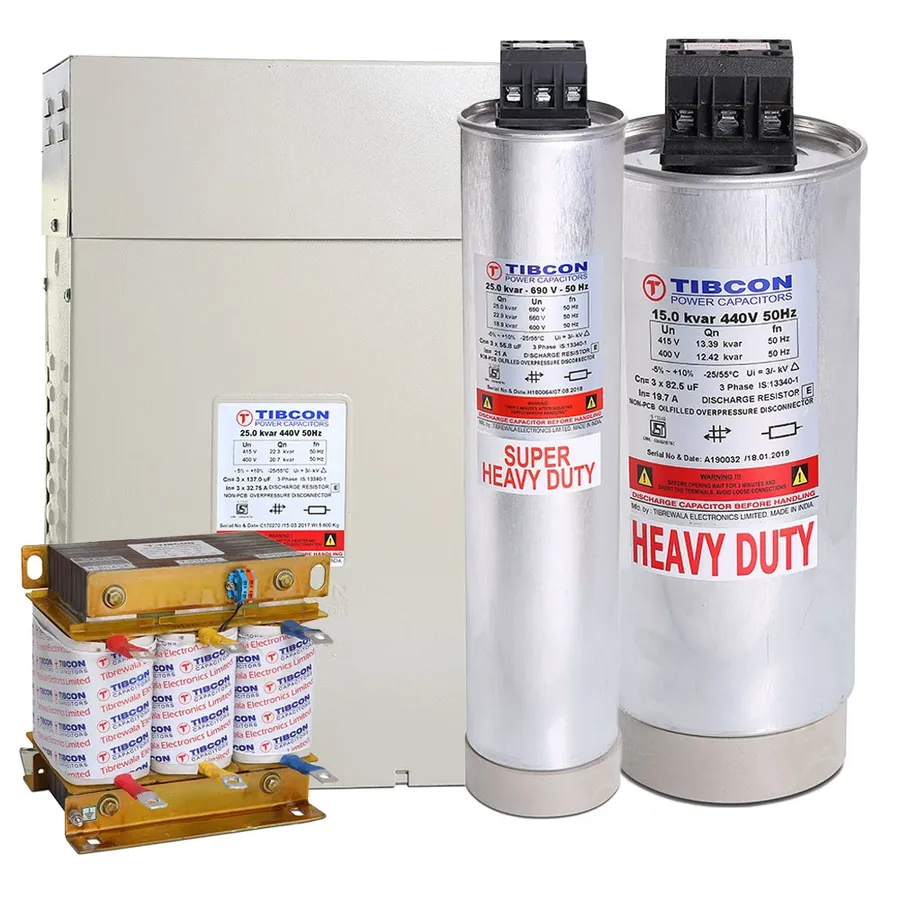
Choosing the correct PFC capacitor is crucial for achieving optimal power factor correction and realizing the associated benefits, such as reduced energy costs and improved system efficiency. This section provides a practical guide to selecting a PFC capacitor, considering key parameters and application-specific needs.
Several critical factors must be considered when selecting a PFC capacitor. These include: voltage rating, capacitance value, single-phase or three-phase application, and load characteristics. Ignoring any of these elements can lead to suboptimal performance, equipment damage, or safety hazards.
| Parameter | Description | Considerations |
|---|---|---|
| Voltage Rating | Maximum voltage the capacitor can safely withstand | Must match or exceed the system voltage. Consider both peak and nominal voltages. |
| Capacitance Value | The amount of charge the capacitor can store | Selected based on reactive power requirements. Calculated using power factor correction formulas specific to the load. |
| Phase Configuration | Single-phase or three-phase | Match the supply system to the capacitor type. Single-phase for single-phase loads, and three-phase for three-phase loads. |
| Load Characteristics | Type of load and its reactive power profile | Understand the load's demand for reactive power. Motor loads often have high inductive requirements. |
| Operating Environment | Ambient temperature, humidity, and ventilation conditions | Ensure operating environment is within the capacitor’s specified temperature and humidity ranges. Adequate cooling is essential to prevent overheating and premature failure. |
| Standards and Certifications | Compliance with relevant safety and performance standards | Verify that the capacitor meets industry standards like IEC or UL. Certifications ensure quality and performance. |
Proper installation is as crucial as capacitor selection. This involves: using appropriate wiring techniques; ensuring proper physical mounting and securing the capacitor to prevent vibration-induced damage; and connecting the capacitor correctly in the electrical circuit, following safety guidelines. Adhering to these points will lead to optimum performance and reliability.
PFC capacitors, while robust, are susceptible to certain issues that can compromise their performance and longevity. Recognizing these problems early is crucial for maintaining an efficient power factor correction system. This section outlines common issues, diagnostic methods, and initial steps for resolution, ensuring safe and effective operation of your PFC capacitor.
Diagnostic Techniques:
Initial Steps for Resolution:
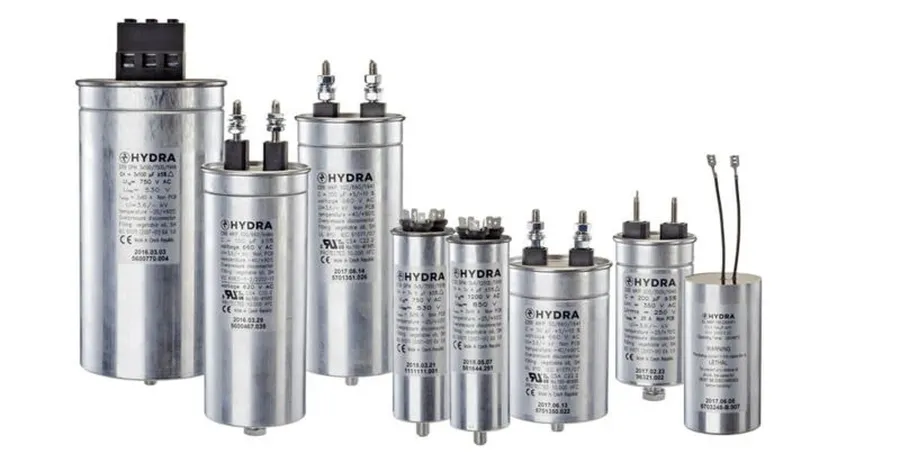
Regular maintenance of PFC capacitors is crucial for ensuring their optimal performance and longevity. These components, while robust, are susceptible to degradation from environmental factors and operational stress. Understanding the maintenance requirements and expected lifespan can significantly impact the reliability and cost-effectiveness of a power factor correction system.
The lifespan of a PFC capacitor is dependent on several factors including operating temperature, voltage stress, harmonic content, and environmental conditions. Typically, a well-maintained PFC capacitor can last between 5 to 10 years, however, this can be significantly reduced if the device is consistently exposed to conditions outside of its specified operating parameters. Regularly monitor parameters and take corrective action as required.
To maximize capacitor lifespan, the following is recommended: Operate within the manufacturer’s voltage, temperature, and harmonic limits. Implement regular maintenance checks. Address any underlying electrical issues causing premature stress and regularly compare operating values to the rated specification of the device. By following these procedures you can help to ensure that the power factor correction system operates efficiently and reliably.
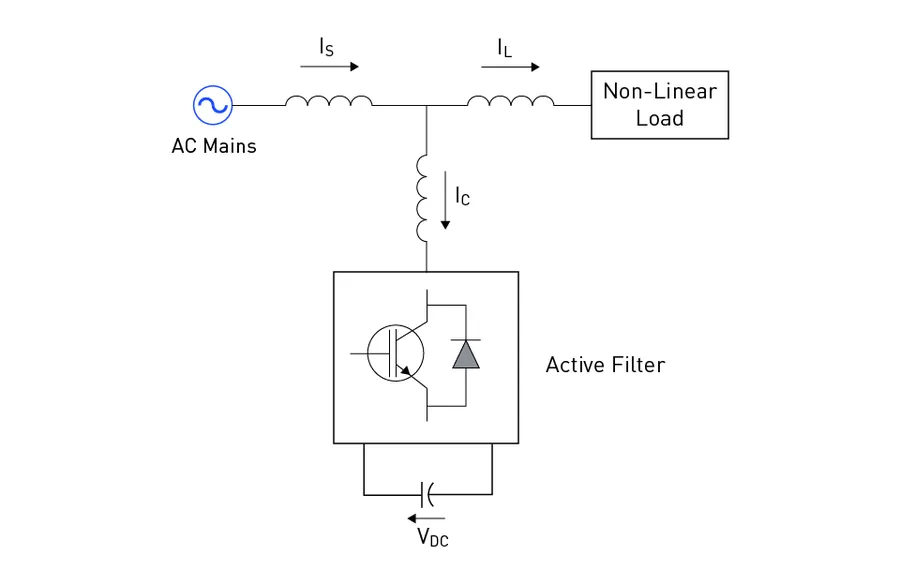
Power factor correction (PFC) is crucial for optimizing electrical system efficiency. While PFC capacitors are a common and cost-effective solution, they aren't the only option. This section delves into how PFC capacitors compare to other methods, such as active harmonic filters, highlighting the advantages, limitations, and optimal application scenarios for each.
| Feature | PFC Capacitors | Active Harmonic Filters (AHF) | Static VAR Compensators (SVC) |
|---|---|---|---|
| Technology | Passive, fixed capacitance | Active, real-time harmonic mitigation | Combination of capacitors and reactors with thyristor control |
| Cost | Low to Moderate | High | Moderate to High |
| Harmonic Mitigation | Limited. Can worsen harmonic resonance if not properly sized. | Excellent. Actively reduces harmonics. | Moderate. Can provide harmonic filtering. |
| Response Time | Instantaneous. Fixed correction. | Very Fast. Real-time correction | Fast. Stepped or continuous control. |
| Complexity | Simple and Robust | Complex and Requires Advanced Control | Moderate Complexity. |
| Typical Applications | General power factor correction for various loads. | Industrial facilities with significant harmonic distortion. | Large industrial applications and grid support. |
| Limitations | Fixed reactive compensation, can cause overcorrection if load varies. | Higher cost and complexity. | Requires regular maintenance. |
The selection of a specific PFC method is highly dependent on the specific application's requirements, including load characteristics, presence of harmonics, budget constraints, and the desired level of correction. For basic power factor issues with relatively stable loads, capacitors offer a simple and affordable solution, particularly in environments where harmonic distortion isn't a major concern. However, in scenarios with significant harmonic content or fluctuating loads, AHF systems or SVCs provide more effective and adaptable performance.
This section addresses common queries regarding PFC capacitors, drawing from user questions and related searches to provide clear and concise answers. We aim to clarify their function, application, and selection to ensure optimal power factor correction.
PFC capacitors are not just components; they are crucial cogs in the machine of energy efficiency. Understanding their role, benefits, and maintenance is essential for reducing energy waste and lowering operating costs. Whether you're a homeowner looking to save on your electricity bill or an industry professional optimizing complex systems, the effective use of a PFC capacitor represents a significant step towards a more sustainable and cost-effective future. By adopting the right practices and maintenance, we can harness the full potential of PFC capacitors in a world that increasingly demands efficiency and smart energy use.

