Unveiling the Power of Mica Capacitors: Applications, Advantages, and Beyond
2025.01.27
From vintage radios to cutting-edge aerospace tech, a tiny component plays a pivotal role: the mica capacitor. These unassuming devices, leveraging the unique properties of mica, offer stability and precision where others falter. This article dives deep into the world of mica capacitors, exploring their construction, applications, and the reasons behind their enduring popularity. We'll unravel their secrets, connecting the dots between a naturally occurring mineral and advanced electronic engineering.
What is a Mica Capacitor?
Mica Capacitors
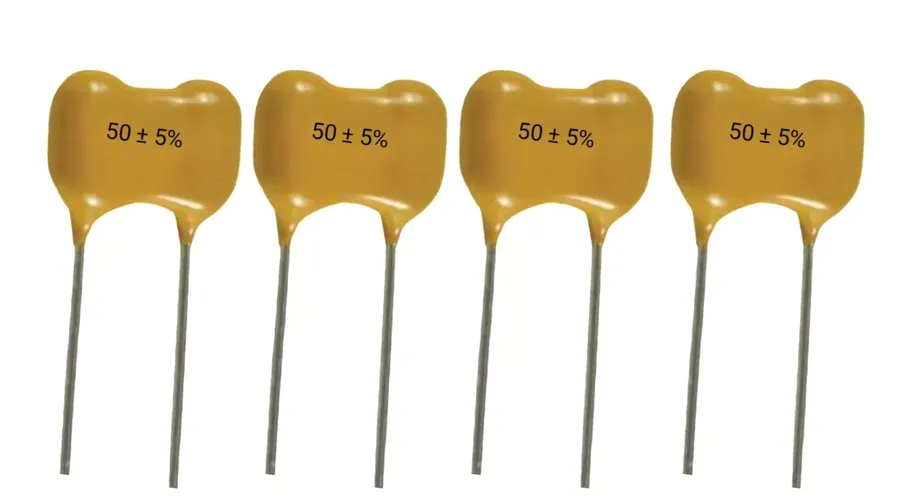
A mica capacitor is a type of capacitor that utilizes thin sheets of mica as its dielectric material, sandwiched between conductive metal electrodes. This construction leverages mica's exceptional dielectric properties, contributing to the capacitor's stable performance characteristics. The fundamental operation relies on the principle of storing electrical energy by accumulating charge on the electrodes, separated by the insulating mica.
Mica, a naturally occurring silicate mineral, exhibits outstanding electrical insulating properties, high dielectric strength, and is chemically inert. These properties are essential for high-performance capacitors. The thin mica layers allows the fabrication of capacitors that can maintain their capacitance values over a wide range of temperatures, frequencies, and voltage levels. The precision in layering and manufacturing ensures high accuracy and stable electrical characteristics.
Types of Mica Capacitors
Types of Mica Capacitors
Mica capacitors, while sharing a fundamental construction utilizing mica as a dielectric, exhibit variations in design and materials that cater to diverse application requirements. These variations primarily manifest in the electrode materials and encapsulation methods, leading to distinct performance characteristics and use cases.
Type
Construction
Typical Applications
Key Characteristics
Advantages
Disadvantages
Silver Mica Capacitors
Mica sheets interleaved with silver electrodes, encapsulated in epoxy or molded case.
High-frequency circuits, precision timing, RF filters, and critical tuning applications.
High stability, low loss, high Q-factor, excellent temperature and frequency stability.
Extremely stable, very low losses, high precision.
More expensive than other types, limited capacitance values.
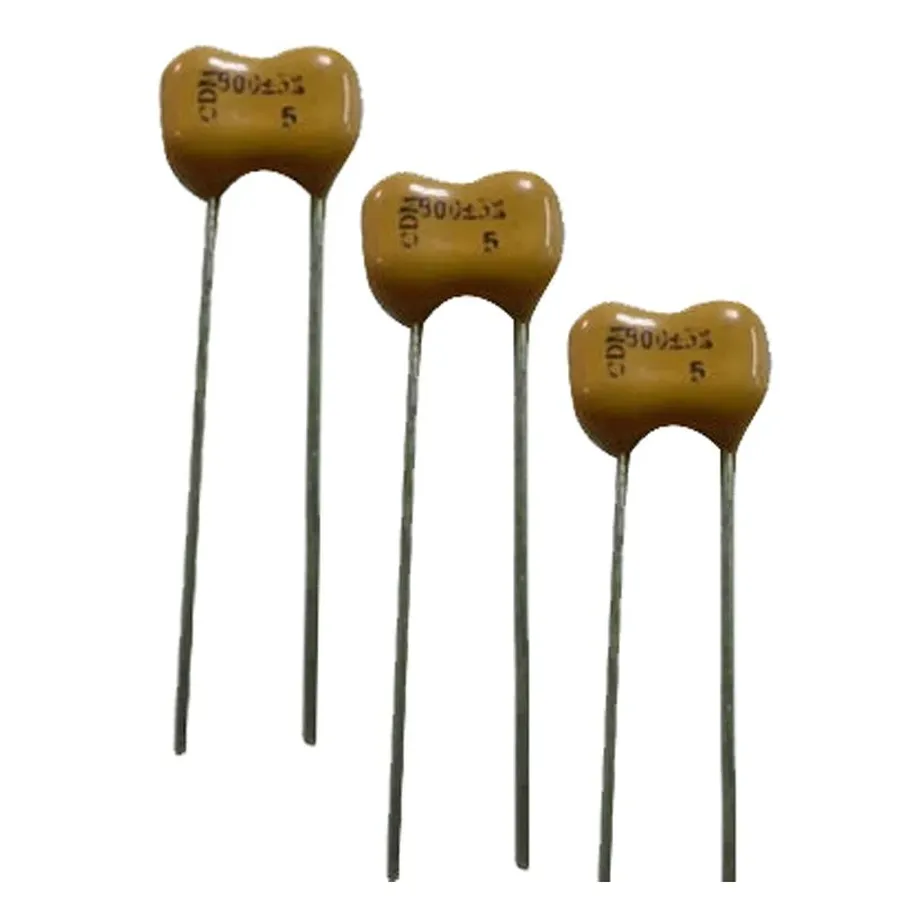
Dipped Mica Capacitors
Mica sheets with metal electrodes, coated with a protective insulating layer (usually a resin or lacquer) .
General purpose use, coupling and decoupling, filtering applications, where high precision is not a primary requirement.
Good stability, relatively low loss, moderate temperature and frequency stability.
More cost-effective than silver mica, smaller size.
Lower precision and stability compared to silver mica.
Key Advantages of Mica Capacitors
High-Frequency Mica Capacitor
Mica capacitors are highly regarded for their exceptional performance characteristics, making them suitable for demanding applications. Their key advantages stem from the inherent properties of mica, a naturally occurring mineral with excellent dielectric qualities. These advantages include high precision, low loss, and remarkable stability over a wide range of temperatures and frequencies. These unique attributes distinguish them from other capacitor types, such as ceramic capacitors, and make them invaluable in critical applications.
High Precision and Accuracy Mica capacitors are known for their tight tolerances and low capacitance drift, ensuring consistent performance over their lifespan. This high level of accuracy is crucial in applications where precise capacitance values are essential.
Low Loss Characteristics Mica capacitors exhibit very low equivalent series resistance (ESR) and dissipation factor, resulting in minimal energy loss during operation. This is particularly important in high-frequency circuits where energy efficiency is a concern.
Exceptional Stability The capacitance of mica capacitors remains relatively stable across a wide range of temperatures and frequencies. This stability ensures consistent performance in fluctuating environmental conditions and across diverse operating frequencies.
High Voltage and Temperature Operation Mica capacitors can operate reliably at high voltages and temperatures, making them suitable for use in demanding conditions, as they have excellent dielectric strength.
High Insulation Resistance Mica Capacitors exhibit extremely high insulation resistance, which is beneficial in preventing current leakage and minimizing energy losses.
Characteristic
Mica Capacitor
Ceramic Capacitor
Precision
High
Variable, often lower
Loss (ESR & Dissipation Factor)
Very Low
Higher
Temperature Stability
Excellent
Variable, can be poor
Frequency Stability
Excellent
Good for some types, poor for others
Voltage Capacity
High
Lower
Common Applications of Mica Capacitors
RF Mica Capacitors
Mica capacitors are indispensable components in various high-performance electronic systems, leveraging their inherent stability and precision across a broad spectrum of applications. Their unique characteristics make them ideal for demanding environments where reliability and accuracy are paramount.
High-Frequency Circuits and RF Applications Mica capacitors are extensively used in radio frequency (RF) circuits, such as oscillators, filters, and impedance matching networks, due to their low loss and high stability at high frequencies. Their ability to handle high frequencies with minimal signal distortion makes them crucial in communication systems and radar technology.
Aerospace and Military Systems The extreme reliability and stability of mica capacitors, even under varying temperature conditions, make them perfect for aerospace and military applications, including navigation systems, radar, and communication equipment, where components must perform flawlessly in harsh and critical environments.
Medical Equipment Mica capacitors are vital in medical devices, particularly in sensitive areas such as implantable devices, diagnostic equipment, and patient monitoring systems. Their high precision and low noise characteristics are essential for accurate and safe operation.
High-Voltage Applications Some mica capacitors are designed for high-voltage operations and are used in power supplies, high-power RF amplifiers, and other applications where high voltage handling is necessary. Their ability to withstand high voltages and maintain stable performance makes them a reliable component in high-power circuits.
Precision Timing Circuits Given their low loss and stability, mica capacitors are employed in precision timing circuits where accurate timekeeping is needed. Their predictable behavior over time and temperature makes them perfect for these applications.
Audio Equipment Mica capacitors find use in high-end audio equipment, including amplifiers and equalizers, due to their low distortion and ability to handle high frequencies effectively. Their usage helps to maintain high audio fidelity and low noise in these systems.
Mica Capacitors vs. Other Capacitor Types
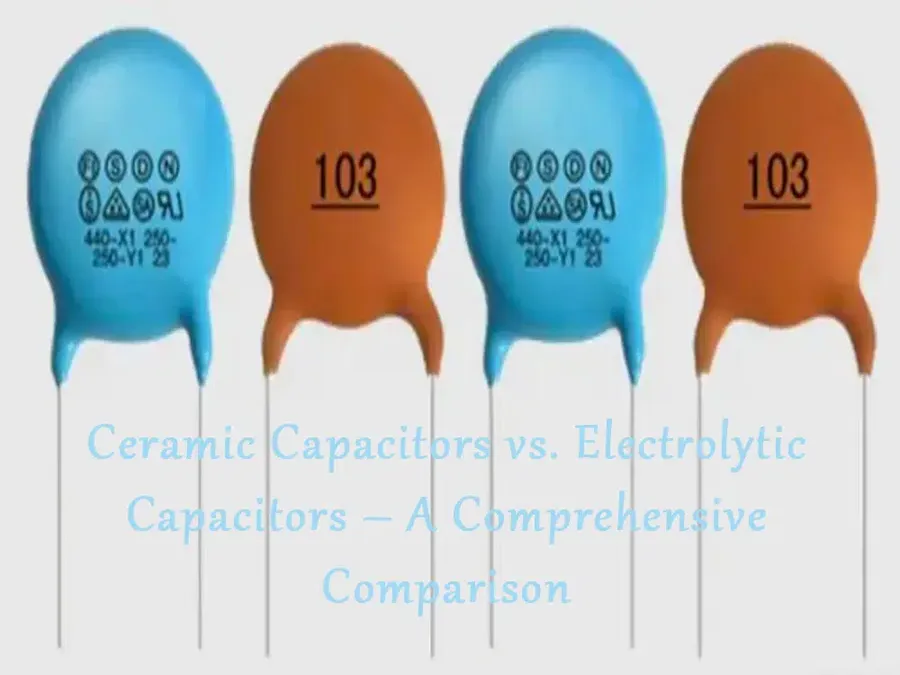
Mica and Ceramic Capacitors
Mica capacitors, while offering superior performance in certain aspects, must be evaluated against other capacitor technologies like ceramic and film capacitors to determine the optimal choice for a given application. This section provides a comparative analysis, highlighting the unique strengths and weaknesses of each type.
Feature
Mica Capacitor
Ceramic Capacitor
Film Capacitor
Dielectric Material
Mica
Ceramic (Various Types)
Polymer Film (Various Types)
Capacitance Range
Low to Medium (pF to nF)
Very Wide (pF to μF)
Medium to High (pF to μF)
Voltage Rating
High
Low to Medium
Medium to High
Temperature Stability
Excellent
Good to Poor
Good
Frequency Performance
Excellent, stable at high frequencies
Good, but can have significant variation with frequency and temperature
Good to excellent depending on film type, Generally not good at high frequency
The selection of capacitor type should be driven by the specific application requirements. Mica capacitors are the preferred choice for high-frequency, high-precision applications where stability and low losses are paramount. Ceramic capacitors, with their broad range and affordability, are suitable for general-purpose circuits. Film capacitors excel in audio, power and filtering applications where a balance of performance, size and cost are required.
Selecting the Right Mica Capacitor
Mica Capacitor Datasheet
Choosing the correct mica capacitor involves understanding several key parameters to ensure optimal performance in your application. The selection process requires careful consideration of factors like capacitance, voltage rating, tolerance, and temperature coefficient, all of which directly influence the capacitor's suitability for specific circuit requirements.
Capacitance Value The capacitance value, measured in Farads (F), determines the amount of charge the capacitor can store. Select a capacitor with a capacitance value that meets the circuit's requirements. Mica capacitors are available in a wide range of values, typically from picofarads (pF) to microfarads (µF).
Voltage Rating The voltage rating indicates the maximum voltage that the capacitor can safely withstand. Choose a capacitor with a voltage rating that exceeds the maximum expected voltage in the circuit to prevent damage and ensure reliable operation.
Tolerance Tolerance specifies the allowable deviation from the stated capacitance value. Mica capacitors are known for their tight tolerances, typically ranging from ±1% to ±20%, which makes them suitable for precision applications. Select the tolerance based on your circuit's sensitivity.
Temperature Coefficient The temperature coefficient indicates how much the capacitance changes with temperature variation. Mica capacitors exhibit a low and linear temperature coefficient, ensuring stable performance across a wide temperature range. Consider the operating environment to choose a capacitor that maintains the desired performance.
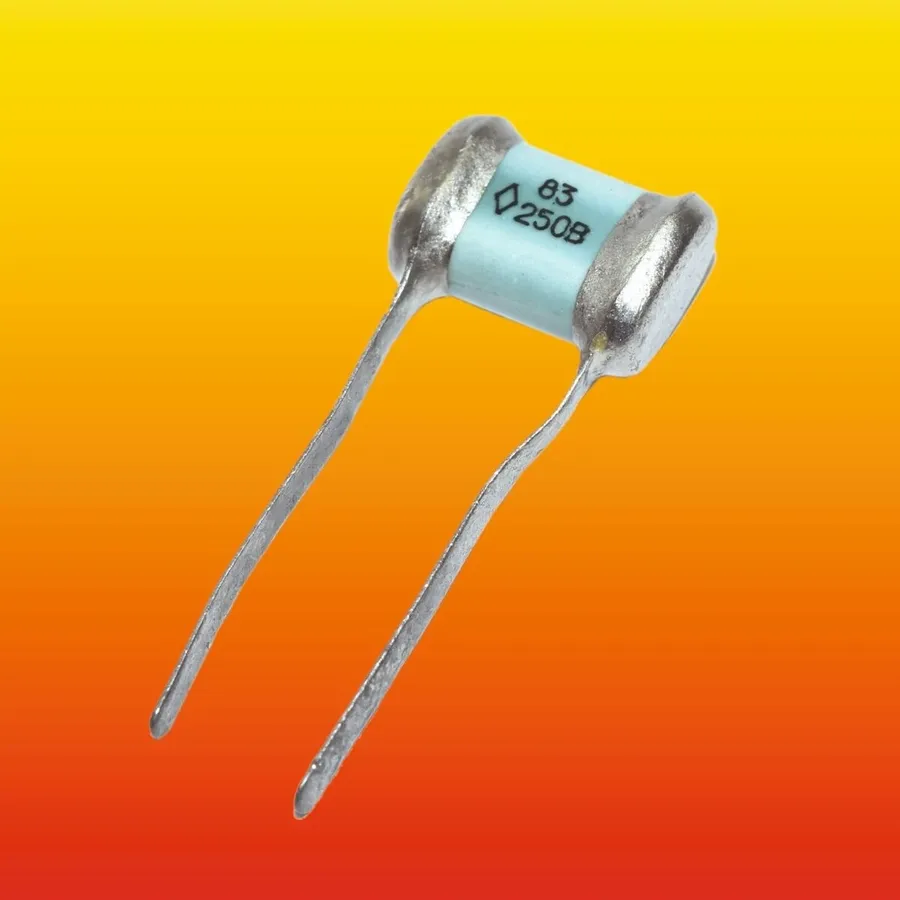
Mica Capacitor Codes Mica capacitors often use color-band or alphanumeric coding systems to indicate their value, voltage and tolerance. Understanding these codes is crucial for correct identification and component selection. Always consult the manufacturer's datasheet for specific details.
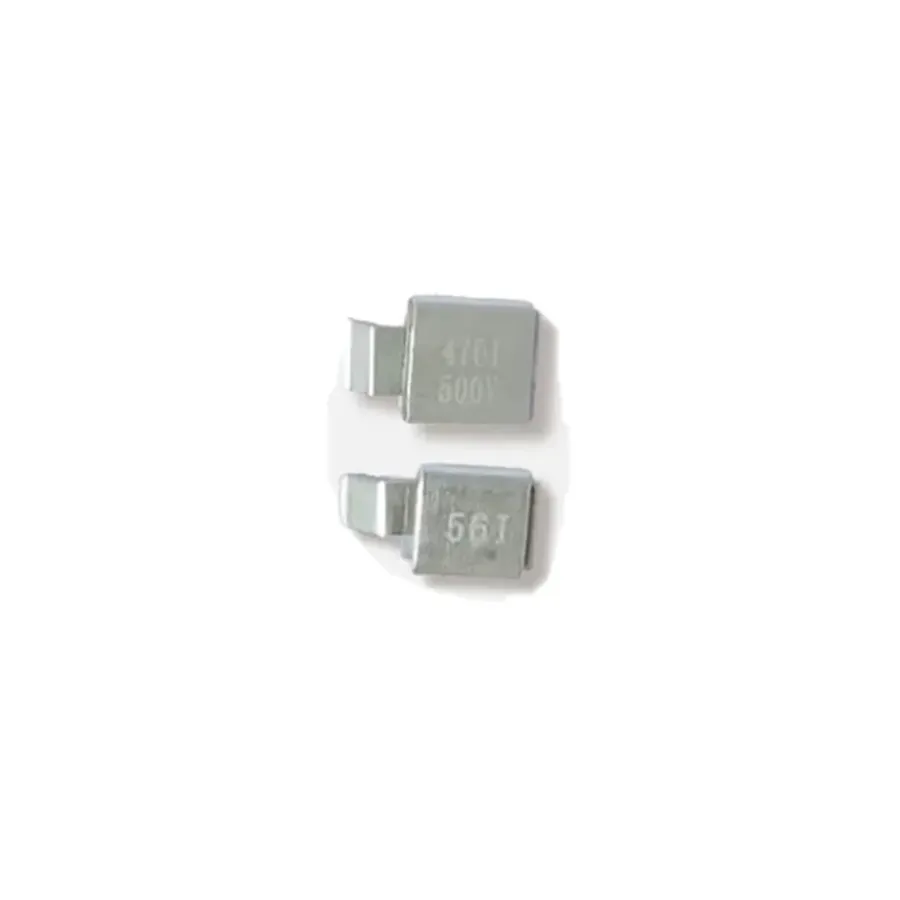
Additionally, consider the physical size and mounting style (e.g., leaded or surface mount) of the capacitor to ensure compatibility with the circuit board design and assembly requirements. By carefully considering each parameter, you can select a mica capacitor that provides optimal performance and reliability for your specific application.
Mica Capacitor Frequently Asked Questions
This section addresses common inquiries about mica capacitors, providing clarity on their cost, alternatives, lifespan, and practical considerations for handling and sourcing.
Why are silver mica capacitors generally more expensive than other types of capacitors? Silver mica capacitors utilize silver electrodes and high-quality mica as a dielectric material. The cost of silver and the precision manufacturing process needed to create these capacitors contribute to their higher price. The stability and precision that they offer, however, justify their cost in critical applications.
What are some common alternatives to mica capacitors? Alternatives to mica capacitors include ceramic capacitors, film capacitors, and tantalum capacitors. The choice of an alternative depends on the specific application requirements. Ceramic capacitors are a cost-effective alternative where less precision is required, while film capacitors offer better performance but may not match the high-frequency capabilities of mica. Tantalum capacitors, are used in applications requiring high capacitance within small footprints but may lack the stability of mica.
What is the typical lifespan of a mica capacitor? Mica capacitors, known for their stability, typically have a very long operational lifespan, often exceeding 20 years under normal operating conditions. Their stability means that their capacitance and other performance parameters do not degrade significantly over time. External factors like high temperatures and extreme voltage conditions can impact their longevity. However, these are generally reliable and robust.
Where can I purchase mica capacitors? Mica capacitors can be purchased from electronic component distributors, both online and from brick-and-mortar stores. Major suppliers such as Digi-Key, Mouser Electronics, and Arrow Electronics stock a wide range of mica capacitors. It’s advisable to purchase from reputable vendors to ensure authenticity and performance.
What is the correct procedure for handling mica capacitors? Mica capacitors are robust, but care should be taken during handling. Avoid applying excessive mechanical stress that might damage the component or its leads. Store the capacitors in a dry environment and avoid exposure to moisture. During soldering, ensure that the component is not subjected to excessive heat for extended periods, which might affect its performance or longevity.
What is the primary advantage of a mica capacitor over other types of capacitors? The key advantage of mica capacitors is their combination of high precision, low loss, and excellent stability across temperature and frequency ranges. This makes them ideal for high-frequency applications requiring exceptional accuracy and reliability. Their consistent performance under varying operating conditions sets them apart from many other types of capacitors.
What are the typical capacitance values available for mica capacitors? Mica capacitors are typically available in a range of capacitance values from picofarads (pF) to a few microfarads (µF). Due to their construction and high precision applications, they are not commonly found with extremely high capacitance values. The typical range is well suited for precision timing, filtering, and RF applications. Consult product specifications to determine the precise range and specific parameters.
Future of Mica Capacitors and Technological Advancements
The future of mica capacitors is intertwined with ongoing advancements in materials science and manufacturing techniques. These developments are geared towards enhancing performance, reducing size, and expanding the range of applications for these reliable components. The drive for miniaturization and improved performance in electronic devices is pushing the boundaries of what's possible with mica capacitors.
Emerging Materials Research into new dielectric materials with even lower loss tangents and higher dielectric constants is crucial. This includes investigations into hybrid materials that combine the stability of mica with the tunability of other substances. Such materials will enable the production of capacitors with superior performance in extreme environments.
Advanced Manufacturing Techniques Precision thin-film deposition techniques, such as atomic layer deposition (ALD), are becoming increasingly relevant. ALD enables precise control over the thickness and composition of the dielectric and electrode layers, resulting in capacitors with higher precision and consistency. Improved methods for processing and handling ultra-thin mica sheets are also being explored to overcome manufacturing limitations.
Integration with Microelectronics The future will likely see increased integration of mica capacitors directly onto silicon chips, especially in RF applications. This requires developing methods for the seamless integration of mica-based dielectrics with standard microfabrication processes.
Enhanced Performance Characteristics Future developments may include mica capacitors with significantly reduced parasitic inductance, making them even better suited for high-speed, high-frequency circuits. Increased voltage ratings and higher operational temperatures are also crucial for specific applications like electric vehicles, aerospace, and industrial control systems.
Miniaturization and increased density Demand for smaller and more power-dense devices will continue to drive the need for compact mica capacitors. This implies a trend towards layered structures and 3D capacitor designs that maximize capacitance in minimal volume. These advanced designs will meet the growing needs of sophisticated electronic systems.
Mica capacitors, with their inherent stability and high-performance attributes, continue to hold their ground in the world of electronics. From the intricate circuits of aerospace to the delicate tuning of vintage audio equipment, the reliability of mica capacitors stems from their unique material properties. As technology advances, mica capacitors will adapt and remain a key component in demanding applications. Understanding their characteristics is crucial for any engineer or enthusiast looking to harness their unique strengths. The enduring legacy of the mica capacitor lies in its exceptional performance and unwavering reliability, making it an indispensable element in the modern electronic landscape.