In today's interconnected world, reliable power is paramount, and the Deep Sea controller stands as a critical component for ensuring seamless generator operations. Like the central nervous system of a power system, it manages the intricate dance of energy generation and distribution. This article dives into the world of Deep Sea controllers, exploring their functions, types, and importance in maintaining uninterrupted power, drawing parallels to how technology intertwines with our daily lives.
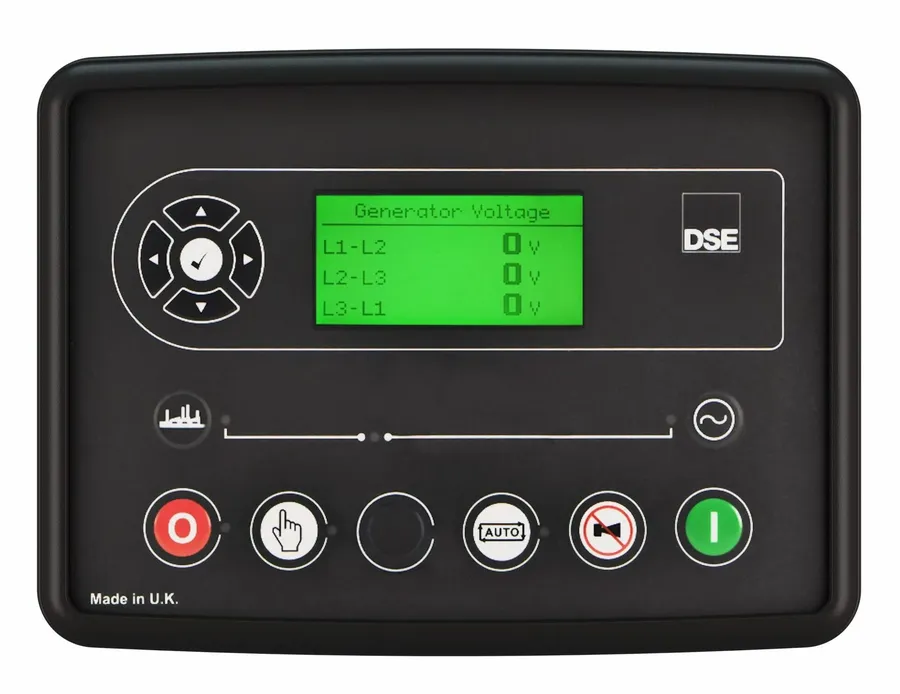
Deep Sea controllers are the central nervous system of generator sets, meticulously engineered to monitor, control, and safeguard these critical power sources. Their primary function is to manage all aspects of generator operation, from the initial start-up sequence to a controlled shut down, ensuring optimal performance and protection against potential damage.
At their core, Deep Sea controllers execute a series of complex tasks essential for reliable power generation. They continuously monitor key parameters such as voltage, current, frequency, and oil pressure. This real-time monitoring allows the controller to react swiftly to any abnormalities, initiating alarms or protective shutdowns to prevent equipment damage. Beyond basic monitoring, these controllers orchestrate engine start-up and shut-down procedures, ensuring a seamless transition between power sources. Furthermore, they are often equipped with advanced features like automatic mains failure (AMF) functionality, which enables them to automatically start a generator upon detection of a utility power outage, providing uninterrupted power supply. Deep Sea controllers also provide crucial data logging capabilities, capturing essential operational parameters for analysis and maintenance planning, aiding in predictive maintenance and identifying patterns that can improve overall efficiency and reliability.
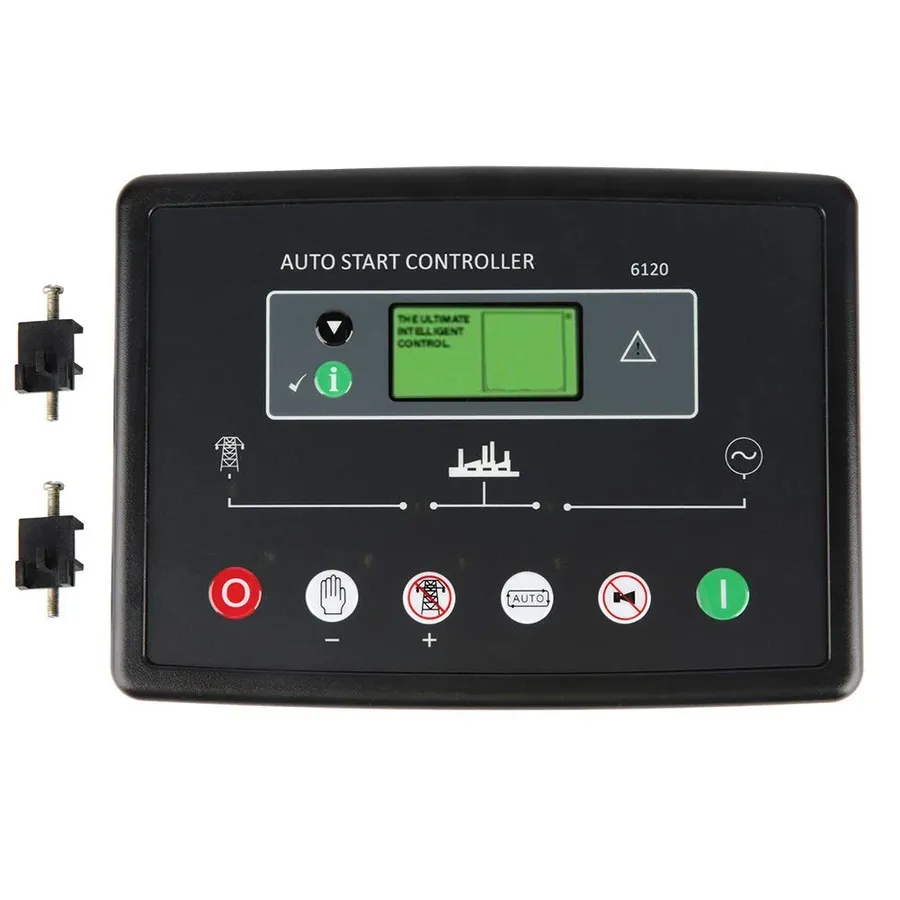
Deep Sea controllers are sophisticated electronic devices that provide comprehensive management of generator sets, offering a range of crucial features that ensure reliable and efficient power generation. These features include automatic start/stop capabilities, comprehensive engine monitoring, robust alarm systems, and diverse communication options, all of which contribute to the overall performance and protection of generator systems.
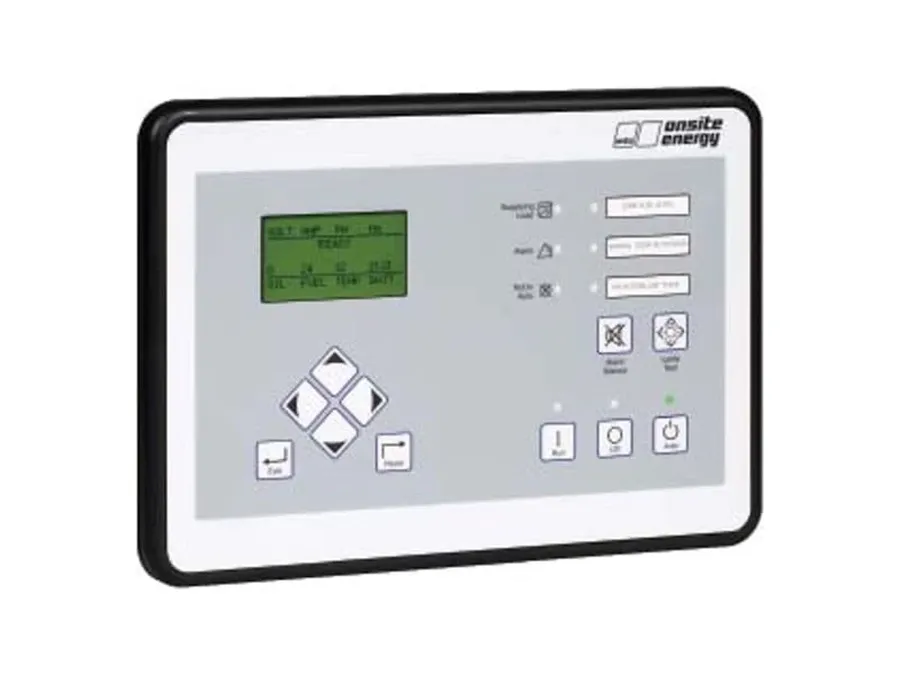
Deep Sea Electronics (DSE) offers a diverse range of controllers tailored to various generator applications, from basic backup systems to complex paralleling setups. These controllers provide sophisticated monitoring and control capabilities, ensuring reliable and efficient power management. Understanding the different models and their specific features is crucial for selecting the appropriate controller for a given application. This section explores some of the most common Deep Sea controller models and their typical applications.
| Controller Model | Typical Applications | Key Features | Additional Functionality |
|---|---|---|---|
| DSE720 | Small to medium-sized generator sets for backup power, suitable for residential and light commercial use. | Basic engine monitoring, auto start/stop, simple alarm system. | Limited communication capabilities |
| DSE7310 | Commercial generator sets, including those used in critical infrastructure applications and small industrial sites. | Enhanced engine monitoring, comprehensive alarm system, LCD display, configurable inputs and outputs. | Basic remote monitoring |
| DSE7320 | Similar to DSE7310, but with added mains (utility) monitoring for automatic transfer switch (ATS) control. | Enhanced engine monitoring, mains monitoring, comprehensive alarm system, LCD display, configurable inputs and outputs. | Advanced remote monitoring, ATS control |
| DSE5110 | Entry-level controller for basic generator set control in smaller applications. | Basic engine monitoring, auto start/stop, simple alarm system. compact design. | Cost-effective, limited features |
| DSE4520 | A more advanced controller suitable for a variety of applications including telecom towers and industrial generators. | Comprehensive engine monitoring, multi-language display, Tier 4 Final support, CAN bus communication. | Flexible configurations, advanced comms |
| DSE8610 | Complex power management systems, parallel operation of multiple generators, larger industrial facilities, peak shaving. | Advanced paralleling control, load sharing, synchronizing, comprehensive engine monitoring, extensive communication protocols. | Advanced control capabilities, complex system management |
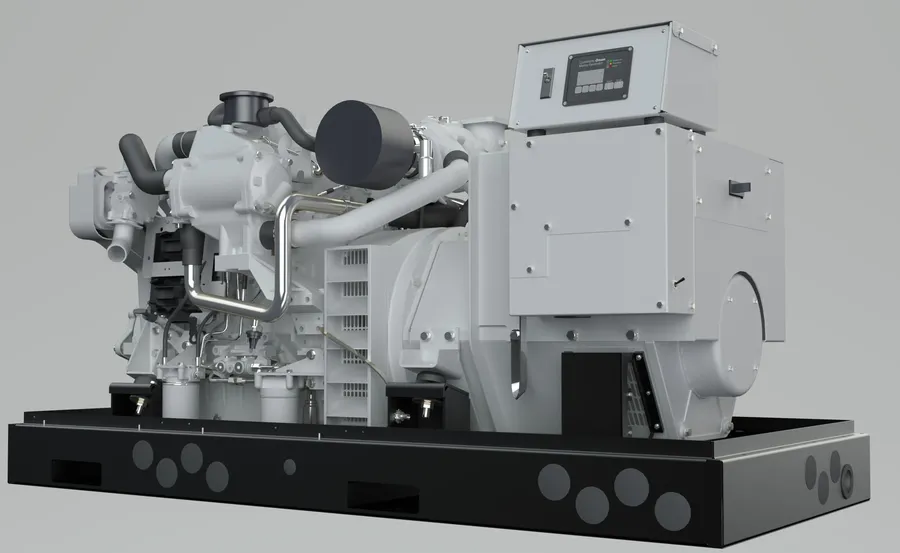
Selecting the correct Deep Sea controller is paramount for reliable and efficient generator operation. This section provides a comprehensive guide, focusing on matching controller features to your specific requirements, ensuring optimal power management. Considerations include generator type, load demands, and desired control functionalities.
Several factors influence the appropriate controller selection, encompassing generator set characteristics, application specifics, and user requirements. A thorough understanding of these variables will guide you toward the ideal Deep Sea controller.
| Feature | DSE7320 | DSE6120 | DSE4520 | DSE702 | Application Suitability |
|---|---|---|---|---|---|
| Auto Start/Stop | Yes | Yes | Yes | Yes | Critical applications with automatic start requirement. |
| Engine Monitoring | Comprehensive (RPM, Oil Pressure, Temperature, etc.) | Comprehensive (RPM, Oil Pressure, Temperature, etc.) | Basic (RPM, Oil Pressure, Temperature) | Basic (RPM, Oil Pressure, Temperature) | Essential for engine protection. |
| Alarms & Shutdowns | Advanced configurable alarms | Advanced configurable alarms | Standard alarms | Standard alarms | Essential for early fault detection and prevention of equipment damage. |
| Display Type | LCD Graphical Display | LCD Text Display | LCD Text Display | LED indicators | User interface for data monitoring and configuration. |
| Communication Capabilities | Ethernet, RS232/485 | RS232/485 | RS232 | N/A | Remote monitoring and control capabilities for large systems. |
| ATS Control | Yes | Yes | No | No | For applications with a transfer switch. |
| Load Share Capabilities | Yes | No | No | No | For multi-generator installations. |
| Application | Complex power systems with multiple generators, advanced monitoring requirements | Generator sets with basic automatic start/stop operation and remote monitoring | Generator sets with basic automatic start/stop operation | Simple manual start systems or backup systems | Wide array of applications based on controller features. |
This table provides a general overview. Specific requirements might necessitate a detailed analysis of the full technical specifications for each Deep Sea controller model. Always refer to the manufacturer's datasheets for precise information.
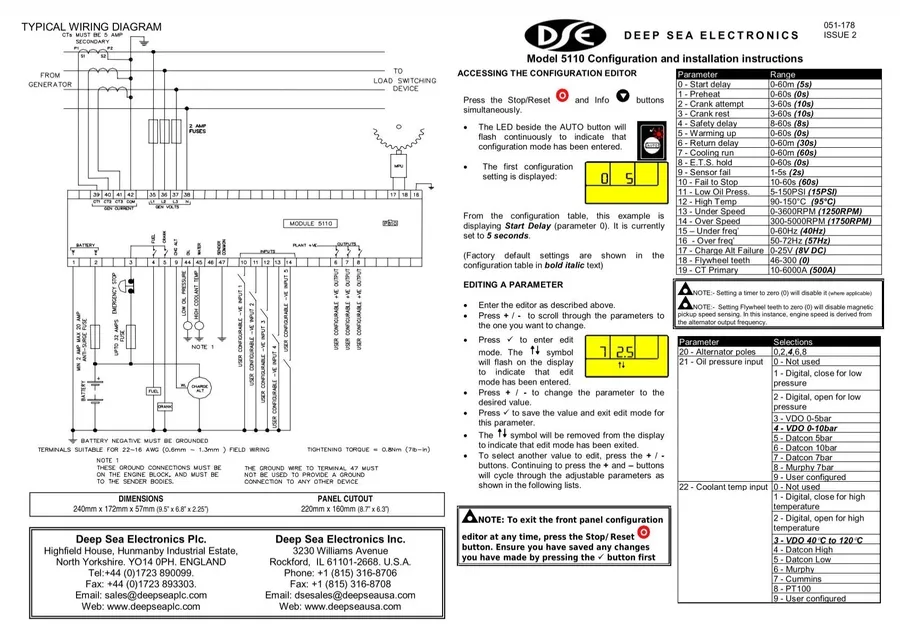
Proper installation and wiring of a Deep Sea controller are crucial for its reliable operation and the protection of connected equipment. This section provides a step-by-step guide to ensure correct setup and minimize common installation errors.
Common Installation Errors to Avoid: Ensure all connections are tight and properly terminated. Check the correct polarity of all connections, and wire gauge is rated for the currents involved. Incorrect wiring may damage the Deep Sea controller or connected equipment.
Deep Sea controllers, while robust, can encounter issues that impede generator operation. This section provides a practical guide to diagnosing and resolving common problems, such as starting failures, communication breakdowns, and alarm triggers. Addressing these issues promptly is crucial for maintaining reliable power management.
When troubleshooting, it's essential to adopt a systematic approach. Start by carefully observing the controller's display for error messages or alarms. Then, check basic connections and power supply. Document your steps to help track the issue.
| Issue | Possible Causes | Troubleshooting Steps |
|---|---|---|
| Starting Failures | Low battery voltage, incorrect wiring, faulty start signal | Verify battery voltage, check all wiring connections against the controller diagram, test start signal from the generator. |
| Communication Errors | Incorrect communication protocol settings, faulty wiring, corrupted software | Ensure correct protocol selection and settings; check all communication wiring; try reloading software or updating firmware. |
| Alarm Activations | Low oil pressure, high engine temperature, overspeed | Refer to the controller's manual to determine the specific alarm. Check corresponding sensors; ensure that sensor values are in safe limits. |
| Controller Power Issues | Poor power supply, blown fuse, wiring fault | Check controller's power connections and fuses. Test incoming voltage to ensure it is within specifications. |
| Display Problems | Display connection problem or hardware malfunction | Check the connections between the display and the main controller board. If the issue persists, the display unit may need replacement. |
If basic troubleshooting steps do not resolve the issue, consult the controller's manual for advanced diagnostic procedures and contact Deep Sea Electronics or a qualified technician. Continued improper operation may cause damage to the control module or the generator system.
This section addresses common inquiries regarding Deep Sea controllers, providing concise and practical answers to help users understand, operate, and troubleshoot these critical power management devices.
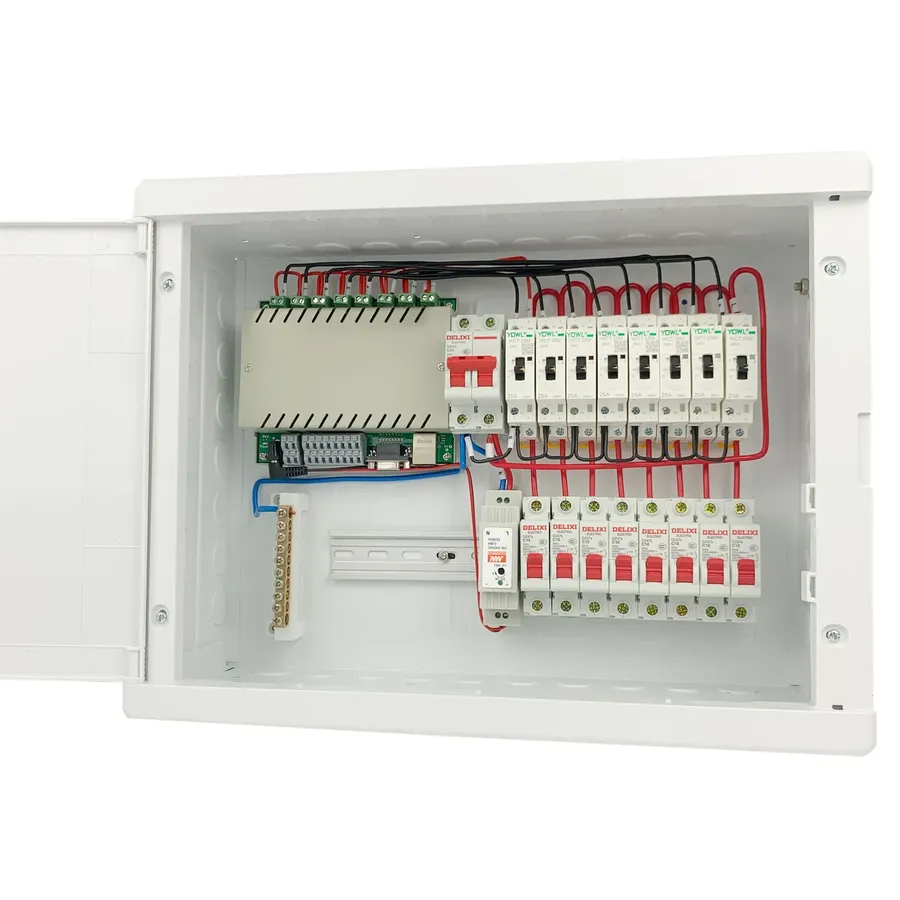
Deep Sea controllers, traditionally focused on standalone generator control, are increasingly being integrated into broader smart power systems. This integration leverages their robust monitoring and control capabilities to enhance the efficiency and responsiveness of modern power grids and IoT (Internet of Things) platforms. The convergence of these technologies facilitates a more dynamic, efficient, and resilient energy landscape.
By connecting Deep Sea controllers to smart grids, operators gain real-time visibility and control over distributed generation resources. This allows for better grid management, load balancing, and enables participation in demand response programs. Furthermore, integrating these controllers with IoT platforms opens the door to advanced remote diagnostics, predictive maintenance, and optimized performance based on data-driven insights.
Deep Sea controllers are the unsung heroes of power management, ensuring that generators respond swiftly and reliably when needed. From basic monitoring to advanced system integration, understanding these controllers is key to maintaining uninterrupted power. As we rely more on technology in our daily lives, the importance of reliable power, guided by the precise control of Deep Sea controllers, will only continue to grow, becoming as commonplace as the electricity we use daily.

