In the vast world of electronics, a tiny component like the 33k resistor plays a vital role. Whether you're building a complex audio amplifier or a simple LED circuit, understanding its function and importance is paramount. This article will delve into the specifics of the 33k resistor, exploring its characteristics, applications, and how it fits into the broader landscape of electronics, similar to how a key ingredient shapes a dish.
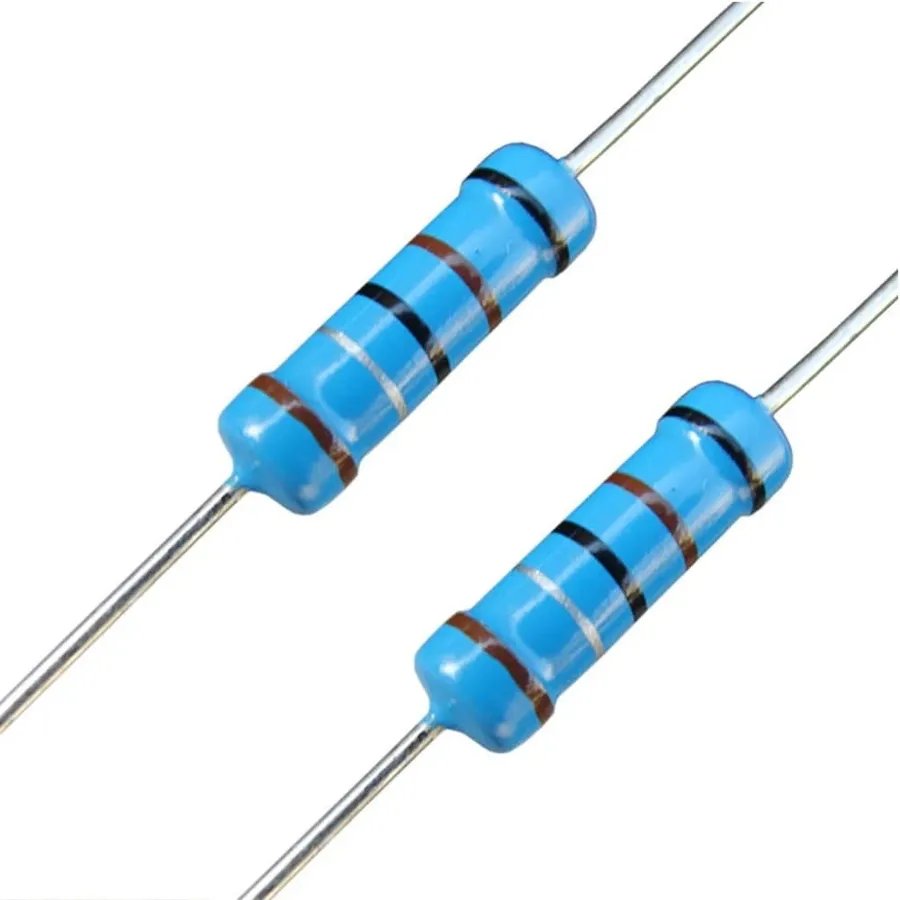
A 33k ohm resistor is a fundamental electronic component designed to impede the flow of electrical current by 33,000 ohms. This specific resistance value is crucial for controlling current and voltage within circuits. The physical attributes, such as its size, materials, and construction, are adapted to meet diverse application requirements.
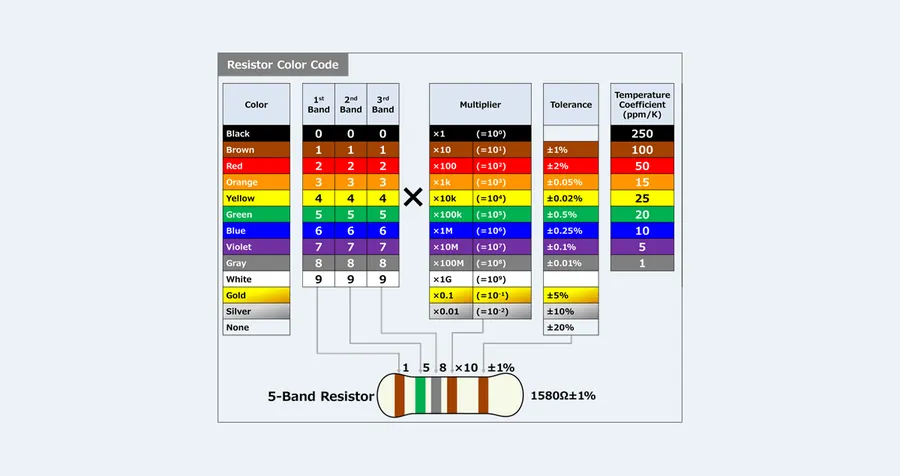
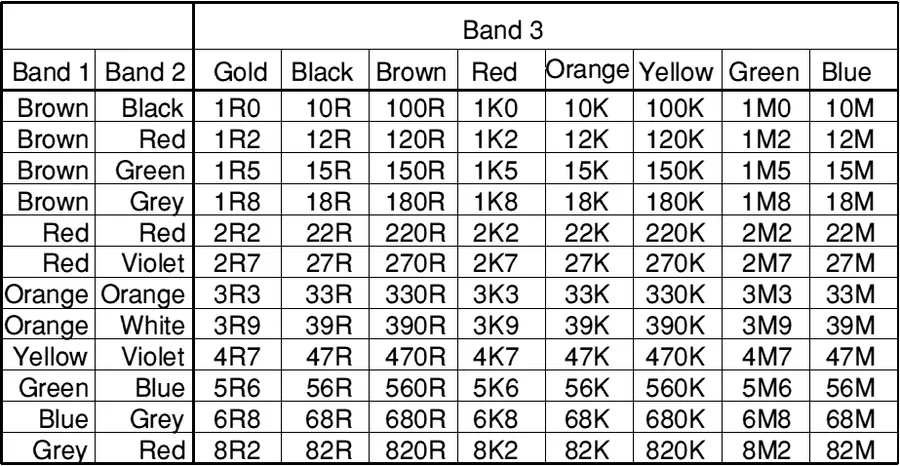
The color code of a 33k ohm resistor is a crucial aspect for identification, typically represented by four color bands: orange, orange, orange, and gold. This standard coding system is foundational in electronics for quickly determining resistance values.
| Band | Color | Value |
|---|---|---|
| 1st Band | Orange | 3 |
| 2nd Band | Orange | 3 |
| 3rd Band | Orange | 1000 (multiplier) |
| 4th Band | Gold | 5% (tolerance) |
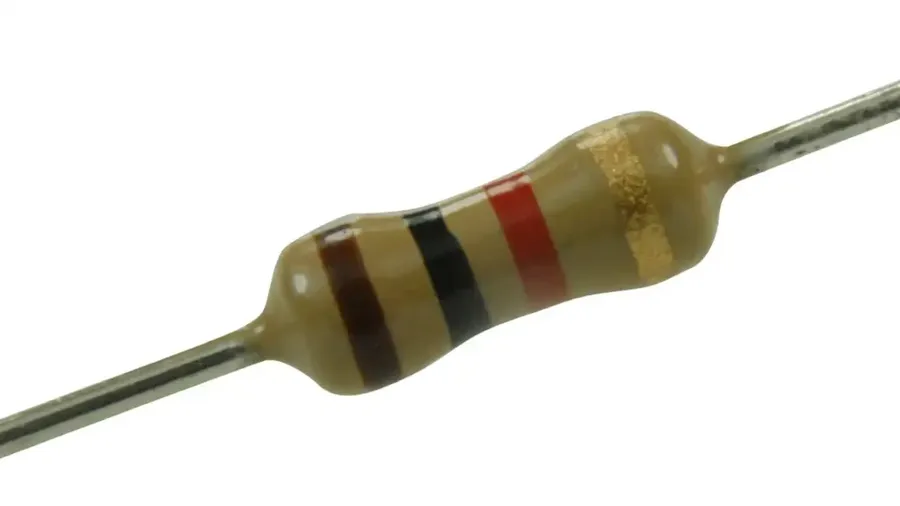
33k resistors are manufactured in several types, each with unique characteristics suited for different applications. The primary types include carbon film, metal film, and wire-wound resistors, each differing in power handling, precision, and temperature stability. Additionally, they are available in both through-hole and surface mount configurations to accommodate various circuit designs.
| Resistor Type | Construction | Typical Tolerance | Power Rating | Temperature Coefficient | Applications | Mounting |
|---|---|---|---|---|---|---|
| Carbon Film | A thin layer of carbon film on a ceramic substrate | 5% | 1/8W - 1/2W | Moderate | General purpose, cost-sensitive applications | Through-hole |
| Metal Film | A thin layer of metal alloy on a ceramic substrate | 1%, 0.5%, 0.1% | 1/8W - 1W | Low | High-precision circuits, precision measurement, audio circuits | Through-hole & SMD |
| Wire Wound | Fine wire wound around a ceramic core | 1-5% | 1W-10W+ | Very low | High-power applications, precision current sensing | Through-hole |
| Surface Mount (SMD) | Various films or alloys on a ceramic substrate | 1-5% | 1/16W - 1W | Moderate to Low | Modern electronics, high-density circuits, compact devices | Surface Mount |
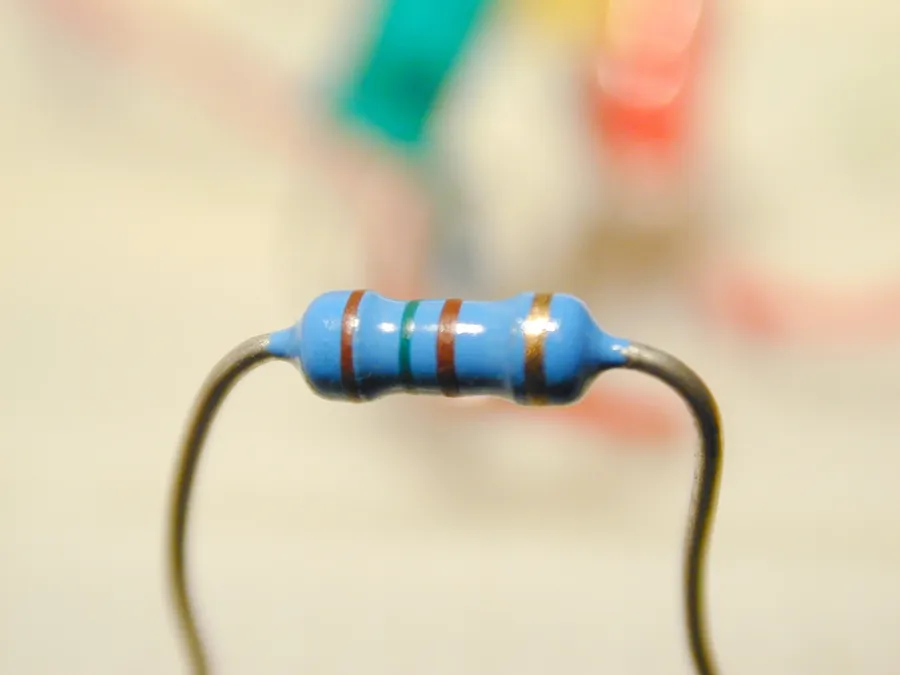
When selecting a 33k resistor for a specific application, three key specifications must be considered: power rating, tolerance, and temperature coefficient. These parameters determine the resistor's suitability and performance within a circuit. Understanding these specifications ensures the component operates safely and with the desired accuracy.
| Specification | Description | Typical Values for 33k Resistors | Importance |
|---|---|---|---|
| Power Rating | The maximum power the resistor can dissipate without being damaged. | 1/8W, 1/4W, 1/2W, 1W, 2W and more | Preventing resistor failure due to overheating. |
| Tolerance | The allowable variation in the actual resistance value from the nominal value. | 5%, 1%, 0.1% or lower | Ensuring circuit accuracy and stability. |
| Temperature Coefficient | The change in resistance value with a change in temperature, usually in parts per million per degree Celsius (ppm/°C). | ±25 ppm/°C to ±200 ppm/°C | Maintaining consistent performance across varying operating temperatures. |
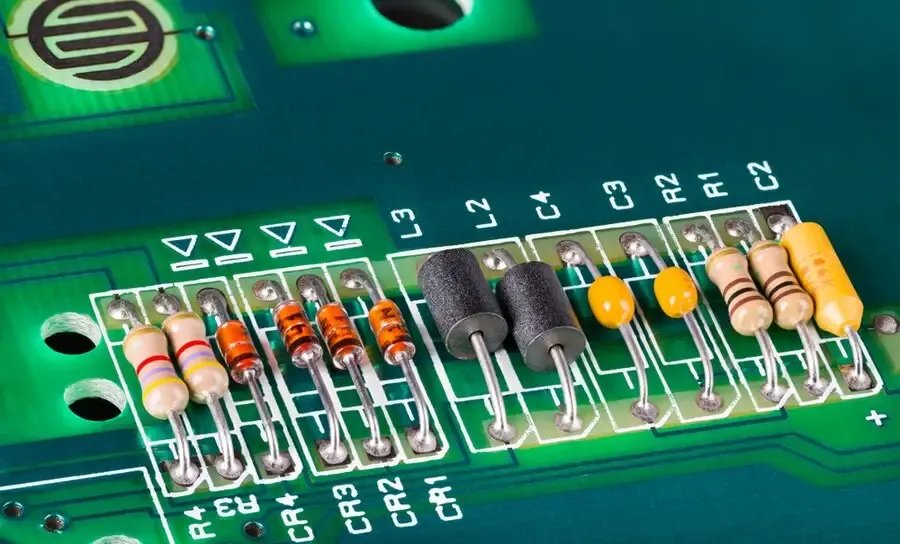
33k resistors serve as fundamental components across a wide array of electronic applications, primarily due to their ability to precisely control current flow and voltage levels within circuits. Their moderate resistance value makes them ideal for scenarios requiring a balance between current limitation and signal integrity.
| Application | Function of 33k Resistor | Typical Use Case |
|---|---|---|
| Voltage Divider | Reduces input voltage | Scaling down voltage for sensors |
| Current Limiting | Limits current flow | Protecting LEDs from overcurrent |
| Feedback Circuits | Controls amplifier gain | Op-amp stabilization and signal control |
| Pull-up/Pull-down | Establishes default logic | Digital input stabilization |
| Audio Circuits | Sets gain and bias | Signal conditioning and impedance control |
Understanding how a 33k ohm resistor behaves relative to other common resistance values, such as 22k, 47k, and even 1k ohms, is crucial for effective circuit design. Each value will create unique current and voltage relationships when placed in a circuit.
| Resistor Value | Current (for a Constant Voltage) | Typical Application Examples | Resistance Change Impact |
|---|---|---|---|
| 1k Ohm | Relatively High | Current limiting, LED circuits | Small change significantly affects current flow |
| 22k Ohm | Moderate | Pull-up and pull-down resistors, feedback networks | Moderate change in current |
| 33k Ohm | Moderate | Audio circuits, op-amp feedback loops, voltage dividers | Moderate change in current, good balance |
| 47k Ohm | Relatively Low | Timing circuits, high impedance inputs | Small change in current flow |
The selection of a resistor value is not arbitrary; it is a fundamental aspect of circuit design. The 33k resistor, for instance, occupies a middle ground in terms of resistance, making it suitable for a variety of general-purpose applications. In contrast, the 1k resistor is more suitable for applications that require significant current flow. 22k and 47k resistors are appropriate where higher resistances are needed and precise current flow is less critical.
This section addresses common inquiries regarding 33k resistors, providing clear and concise answers to enhance understanding and facilitate effective use in electronic circuit design. The questions and answers provided aim to clarify the value, units, and practical considerations associated with these components.
33k resistors, a fundamental electronic component, are readily accessible through a variety of sources. These components are not exclusive to a single supplier or retailer, ensuring convenient procurement for both hobbyists and professional engineers. The availability of 33k resistors across multiple platforms is a testament to their wide application across various electronic projects and devices.
When purchasing 33k resistors, it's crucial to verify that the specifications for the component, especially the power rating and tolerance, match the requirements of your project. These factors significantly influence the resistor’s performance within the circuit and ensure the longevity and stability of the circuit. Selecting components with adequate specifications ensures the long term reliability of the circuit.
Effective troubleshooting of 33k resistors involves understanding their common failure modes and how they impact circuit behavior. This section provides guidance on identifying potential problems related to wattage, tolerance, and physical damage and how to avoid common pitfalls that can occur during the design and implementation phases.
The 33k resistor, a seemingly simple component, is a cornerstone of modern electronics, acting as the quiet hero in countless circuits. By understanding its specifications, color codes, applications, and comparison with other resistors, you can leverage its functionality to build a wide range of electronic projects. Just like a 33k resistor precisely controls current, precise knowledge empowers us to construct more accurate and reliable systems. Whether you are a seasoned engineer or a hobbyist, keep the 33k resistor in mind in your design work.

