From the complex circuitry of smartphones to the intricate systems in modern vehicles, Printed Circuit Boards (PCBs) are the backbone of modern electronics. A PCB board printer enables rapid prototyping and small-scale production, empowering engineers and hobbyists alike. This article will delve into the various types of PCB board printers, their applications, and what to consider when choosing the right one for your needs, connecting this technology directly to its impact on our daily lives and the advancement of tech.
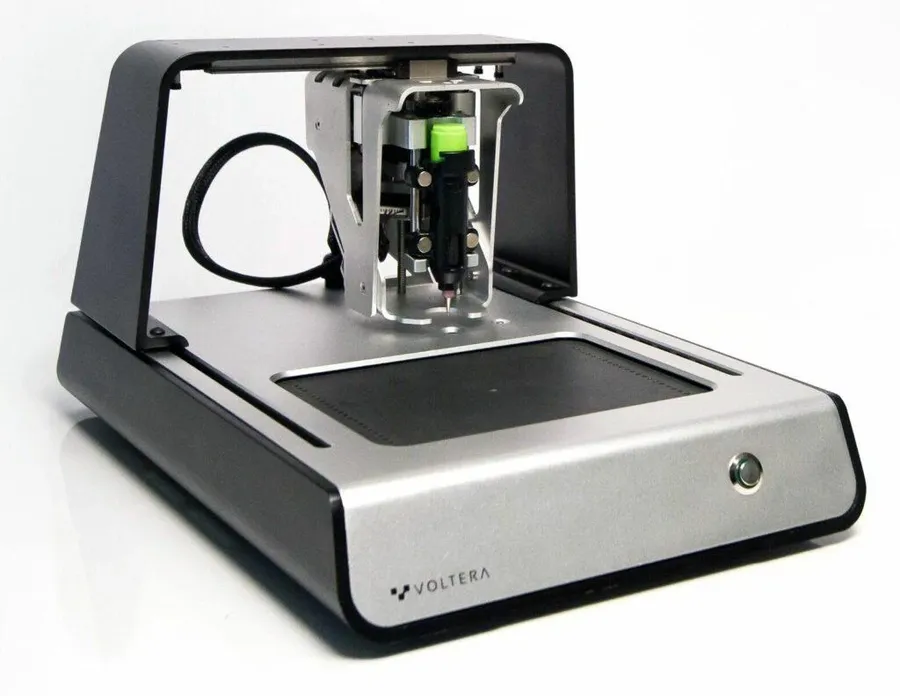
PCB board printers utilize a variety of technologies to transfer circuit patterns onto a substrate, each impacting precision, cost, and scalability. These core technologies include inkjet printing, laser etching, and milling, each catering to different prototyping and production needs.
| Technology | Mechanism | Precision | Cost | Scalability | Typical Use Cases |
|---|---|---|---|---|---|
| Inkjet Printing | Deposits conductive ink onto the substrate using printhead nozzles. | Moderate | Relatively Low | Moderate | Rapid prototyping, low-volume production |
| Laser Etching | Uses a laser to selectively remove material from a copper-clad board. | High | Moderate | Moderate | Prototyping, fine-detail circuits |
| Milling | Cuts away unwanted copper using a mechanical router. | Moderate to High | Moderate | Low | Prototyping, educational settings |
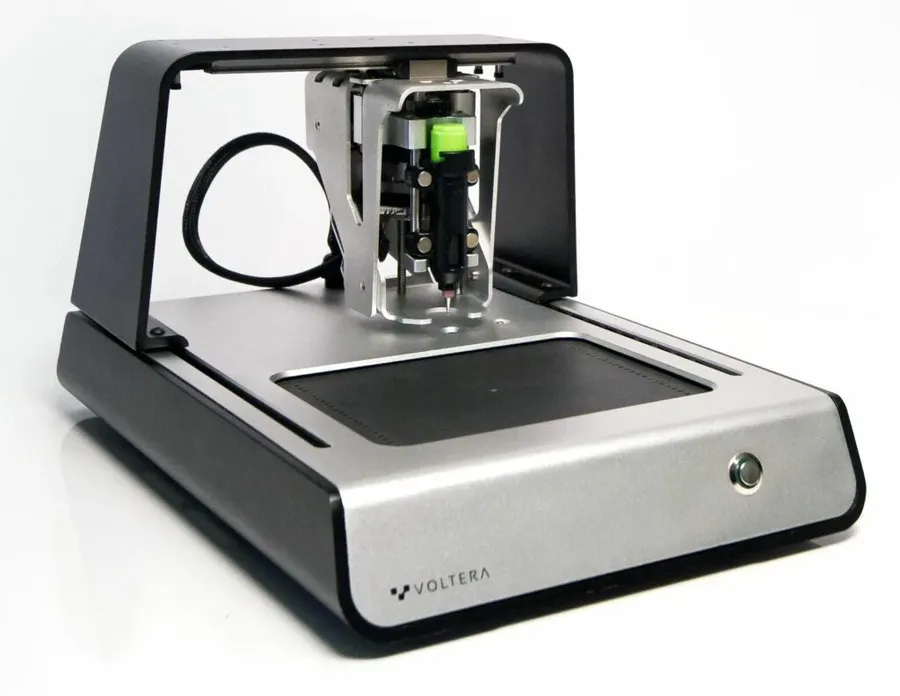
Desktop PCB printers represent a significant shift in electronics prototyping, enabling engineers and hobbyists to create circuit boards in-house. These devices, exemplified by models like the Voltera V-One and Squink, offer a compact, accessible alternative to traditional fabrication methods for low-volume production and rapid design iteration. They utilize various technologies, often involving inkjet deposition or specialized dispensing, to deposit conductive inks or materials directly onto substrate.
| Feature | Voltera V-One | Squink | Other Desktop Options |
|---|---|---|---|
| Printing Technology | Inkjet deposition | Material extrusion | Varies |
| Max Board Size | 110 x 85 mm | 150 x 150 mm | Varies (typically A4 or smaller) |
| Resolution | ~150 μm trace width | ~200 μm trace width | Dependent on model |
| Material Compatibility | Conductive ink, solder paste | Conductive ink, solder paste, dielectric | Dependent on model |
| Layer Capability | Single or double-sided | Single or double-sided | Typically Single or double-sided |
| Cost | ~$4000 | ~$3500 | ~$2000-5000 |
| Typical Use Cases | Rapid Prototyping, Educational purposes | Prototyping, small batch production | Hobbyist, simple prototype creation |
| Advantages | Ease of use, compact size | Versatile material handling, compact | Low cost, easy to maintain |
| Limitations | Limited board size, slower print speed | Limited resolution, relatively lower print accuracy | Low resolution, material limitation |
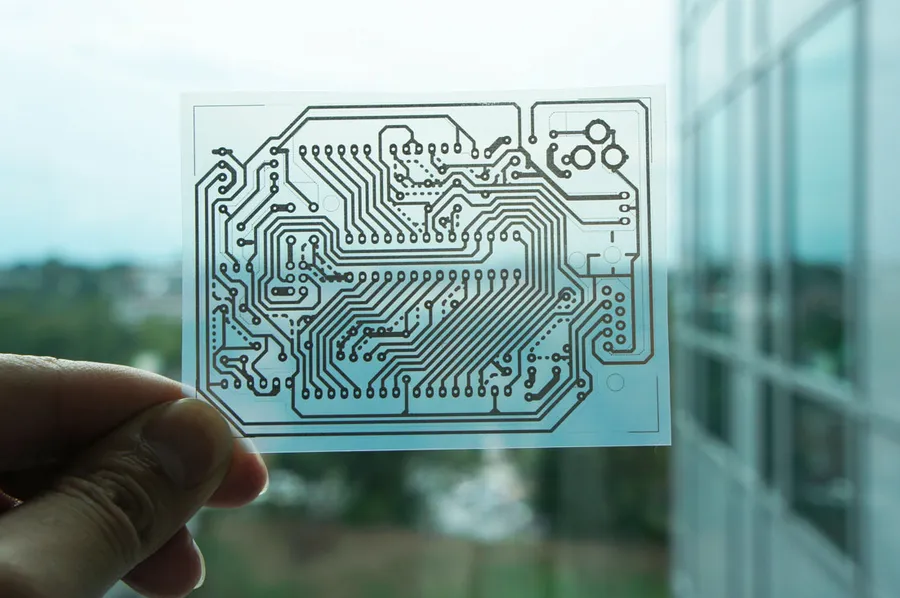
Creating printed circuit boards (PCBs) at home using an inkjet printer offers a cost-effective alternative to professional fabrication, though it demands careful execution and an understanding of its inherent limitations. This approach leverages readily available technology to enable prototyping and small-scale production of PCBs, making electronics projects more accessible.
This section details the materials, process, safety precautions, and quality considerations when using an inkjet printer for PCB fabrication. While not suitable for high-precision or complex multilayer boards, the method serves as a valuable introduction to PCB design and manufacturing.
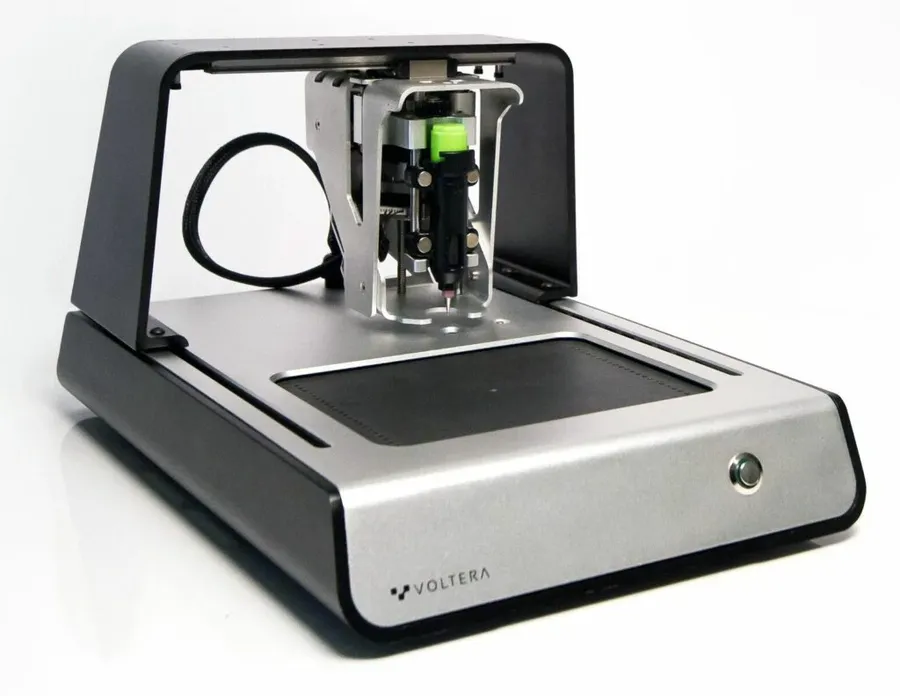
Industrial PCB printers represent the pinnacle of printed circuit board manufacturing technology, designed for high-volume, high-precision production. These advanced systems offer significant advantages in speed, accuracy, and automation, making them indispensable for large-scale electronics manufacturing and significantly reducing production costs per unit through economies of scale.
These printers utilize sophisticated technologies like advanced inkjet systems, laser direct imaging (LDI), and high-precision milling, all integrated into automated workflows that facilitate continuous operation. The substantial investment in industrial PCB printers is justified by the need for mass production, enabling businesses to meet the demands of a high-output manufacturing environment.
| Feature | Industrial PCB Printers | Desktop PCB Printers |
|---|---|---|
| Production Volume | High, suitable for mass production | Low to medium, suitable for prototyping and small batches |
| Precision | Very high, capable of fine-line and multi-layer designs | Moderate, may not achieve the same level of detail |
| Speed | Fast, designed for continuous operation | Slower, not designed for high-volume outputs |
| Automation | High, typically features automated material handling and alignment | Lower, often requiring manual setup and intervention |
| Cost | High initial investment, lower per-unit cost at scale | Lower initial cost, but higher per-unit cost for large quantities |
| Footprint | Large, requires dedicated space and infrastructure | Compact, can fit on a workbench or desktop |
| Materials | Supports a wide range of advanced materials and substrates | Limited range of materials |
The operational advantages extend beyond speed, encompassing automated material handling, precise alignment systems, and integrated quality control mechanisms. These features reduce the need for manual intervention, minimize errors, and ensure consistency across large production runs. By significantly reducing production time and increasing accuracy, industrial PCB printers optimize manufacturing workflows for businesses focused on large scale operations.
In summary, industrial PCB printers are indispensable for companies that need mass production capabilities while maintaining high standards of quality and efficiency. The ability to quickly produce complex, multi-layer boards with minimal human involvement positions these printers as a key element of modern electronics manufacturing.
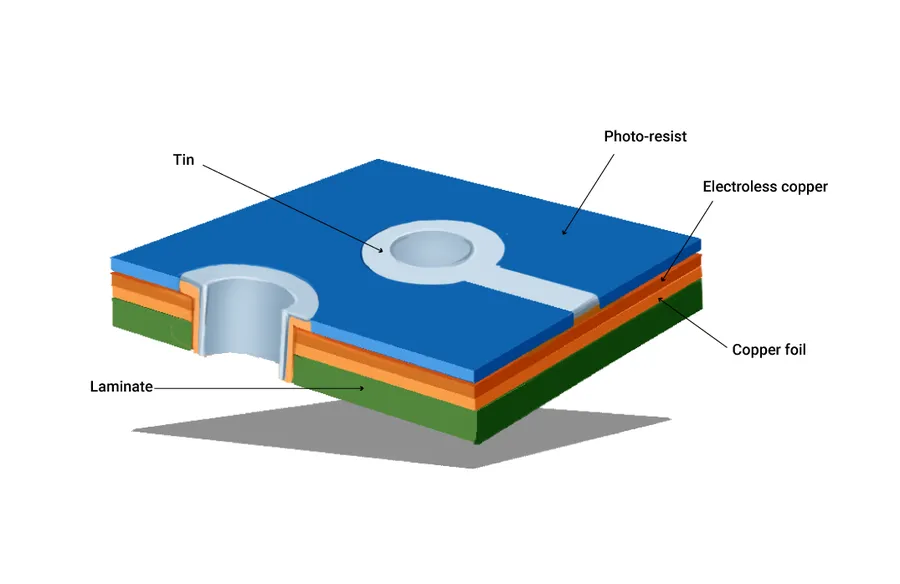
Choosing between a PCB printer and traditional PCB manufacturing hinges on project needs, volume, and budget. PCB printers offer rapid prototyping and in-house customization, while traditional methods excel in mass production and complex designs. This section provides a detailed comparison to guide your decision-making process.
| Feature | PCB Printer | Traditional PCB Manufacturing |
|---|---|---|
| Cost | Lower initial investment for small-scale prototyping; higher per-board cost for large volumes | Higher initial setup costs; lower per-board cost for mass production |
| Turnaround Time | Very fast; boards can be produced in hours or days | Longer lead times; often requires weeks |
| Flexibility & Customization | High flexibility for design changes and customization | Less flexible; design changes often lead to delays and increased costs |
| Complexity | Suitable for simple to moderately complex designs; limited by printer capabilities | Capable of handling complex, multi-layered designs and specialized materials |
| Precision | Dependent on printer's resolution; may not match photolithography precision | High precision and accuracy through photolithography and etching |
| Material Compatibility | Limited to compatible inks and substrates; may not support advanced materials | Wider range of material choices, including FR4, flexible substrates, and high-performance laminates |
| Scalability | Less efficient for large-scale production; best for prototyping and small batches | Optimized for mass production; cost-effective for large volumes |
| In-House vs. Outsourcing | Provides in-house control over the production process | Typically requires outsourcing, which can impact project timelines and security |
| Environmental Impact | Reduced waste and chemical usage compared to traditional processes | Potentially high environmental impact from chemical etching and processing |
Selecting the appropriate PCB board printer requires careful evaluation of several critical factors to ensure the chosen device aligns with specific project requirements and budgetary constraints. This section provides a structured approach to navigate the decision-making process, acting as a practical buyer's guide.
This section addresses common questions regarding PCB board printers, offering concise and authoritative answers to help clarify user doubts and provide expert insights into the technology.
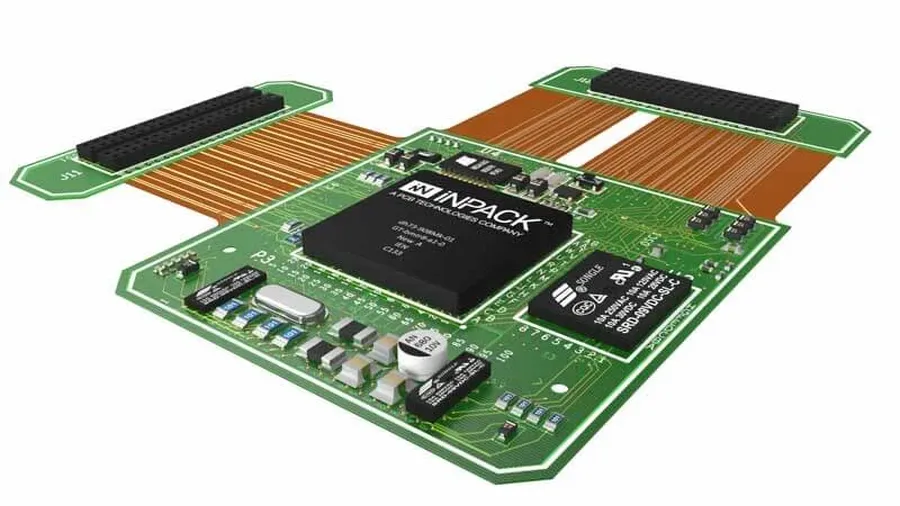
The landscape of PCB printing is poised for significant transformation, driven by emerging technologies like additive manufacturing, advancements in conductive inks, and the integration of novel materials. These innovations are not only enhancing the capabilities of PCB printers but also paving the way for more efficient, sustainable, and customized electronics manufacturing processes.
These future trends are poised to disrupt traditional PCB manufacturing, enabling a new era of rapid prototyping, customized designs, and more sustainable production methods. This will lead to innovative solutions across numerous industries, from consumer electronics to aerospace and medical devices, reducing cost, and empowering innovation.
The evolution of the PCB board printer is significantly reshaping how we approach electronics design and production, offering everything from rapid prototyping capabilities to streamlined manufacturing. Whether you are an engineer, hobbyist, or a company seeking efficient solutions, understanding the various types, applications, and trends in PCB printing is crucial. As technology advances, so too will the accessibility and affordability of PCB board printers, making them an indispensable tool in the electronics field. Choosing the right PCB board printer is essential for the success of your projects, providing efficiency and precision from start to finish.

