The integrated circuit, or IC, the heart of every modern computer and countless electronic devices, is a tiny marvel of engineering. Often referred to as a microchip, it's a fundamental component that has dramatically reshaped how we live and interact with technology. This article delves into the intricacies of integrated circuits, exploring their historical impact, diverse functions, and pivotal role in shaping the world of computation, from simple calculators to the most complex computer systems.
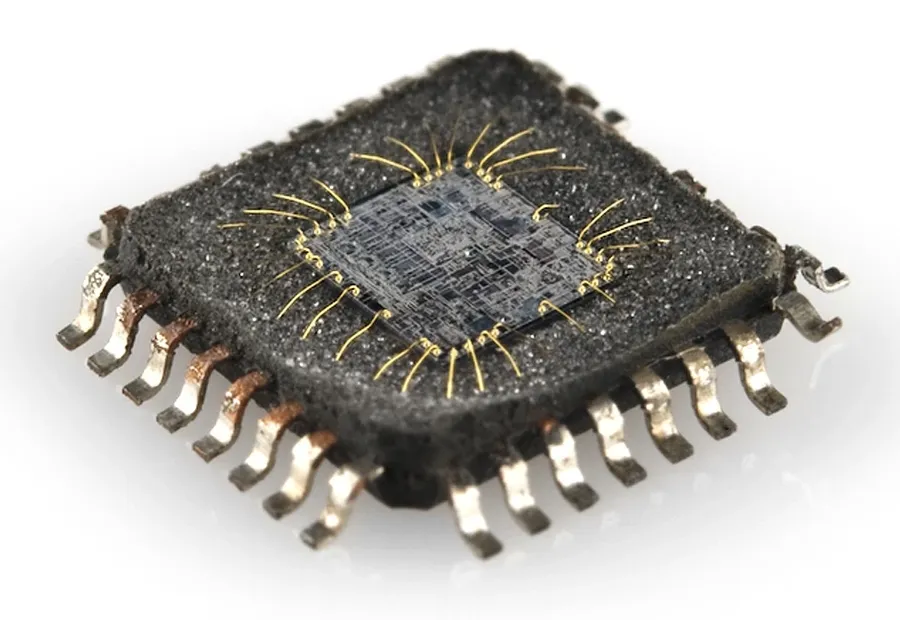
An integrated circuit (IC), also known as a microchip or chip, is a miniaturized electronic circuit constructed on a small semiconductor material, typically silicon. At its core, an IC is a complex network of interconnected electronic components – transistors, resistors, capacitors, and diodes – fabricated as a single unit. This integration allows for a significantly reduced size and increased functionality compared to circuits built with discrete components.
The primary advantage of ICs is their ability to perform complex functions in a fraction of the space and at a lower cost than circuits built from individual parts. This has been crucial to the development of modern electronics and especially the design of the integrated circuit computer.
The construction of an IC involves a layered approach, where different materials are deposited, etched, and doped onto the semiconductor substrate to form the necessary components and interconnections. This allows for the creation of extremely dense and complex circuits on a small scale.
The advent of the integrated circuit (IC) marks a watershed moment in the history of computing, fundamentally transforming the size, speed, and cost of computers. This section delves into the key milestones in IC development, tracing its evolution from early concepts to modern marvels, and exploring the profound impact of the [integrated circuit computer] across various generations.
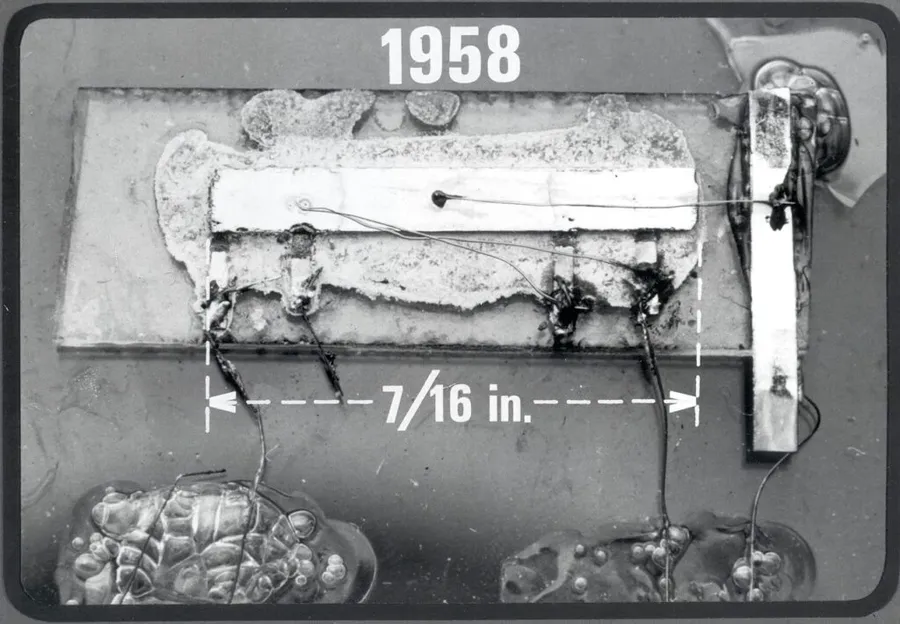
The journey of the integrated circuit began with the quest to reduce the size and complexity of electronic circuits. Prior to ICs, computers were constructed using discrete components like transistors, resistors, and capacitors, which were individually wired together. This resulted in bulky, power-hungry, and unreliable systems. The invention of the transistor in 1947 laid the groundwork for further miniaturization. In 1958, Jack Kilby at Texas Instruments demonstrated the first working integrated circuit, a germanium-based device containing multiple transistors on a single piece of semiconductor material. Around the same time, Robert Noyce at Fairchild Semiconductor developed a silicon-based IC, which was more robust and easier to manufacture. These inventions are widely recognized as the genesis of the IC.
The early ICs had only a few components. However, as manufacturing processes improved, the number of transistors that could be placed on a single chip increased exponentially. This trend is known as Moore's Law, named after Gordon Moore, co-founder of Intel, who predicted that the number of transistors on a microchip would double approximately every two years. Moore's Law fueled the rapid advancement of computing, leading to the microprocessors that power modern personal computers and smartphones. The impact of integrated circuits is undeniable. They enabled the transition from large mainframe computers to smaller, more accessible minicomputers and later to personal computers. The development of microprocessors, a special type of IC, revolutionized computing by placing the central processing unit (CPU) on a single chip. This paved the way for smaller, more affordable computers.
| Era | Technology | Impact on Computers |
|---|---|---|
| Pre-1950s | Vacuum Tubes | Large, expensive, and unreliable computers |
| 1950s | Discrete Transistors | Smaller, more reliable, but still bulky computers |
| 1960s | Small-Scale ICs (SSI) | Reduced size and cost; basic logic circuits |
| 1970s | Medium-Scale ICs (MSI) and Large-Scale ICs (LSI) | Minicomputers and early personal computers |
| 1980s-Present | Very Large-Scale ICs (VLSI) and Ultra Large-Scale ICs (ULSI) | Personal computers, laptops, and smartphones; exponential increase in processing power |
In summary, the integrated circuit represents a pivotal advancement that transformed computing. From the first primitive ICs to the complex chips powering today's supercomputers, the impact of ICs on the capabilities and accessibility of the [integrated circuit computer] has been profound. The development of the IC is not just a story of technological progress but a testament to human ingenuity and a catalyst for a technological revolution.
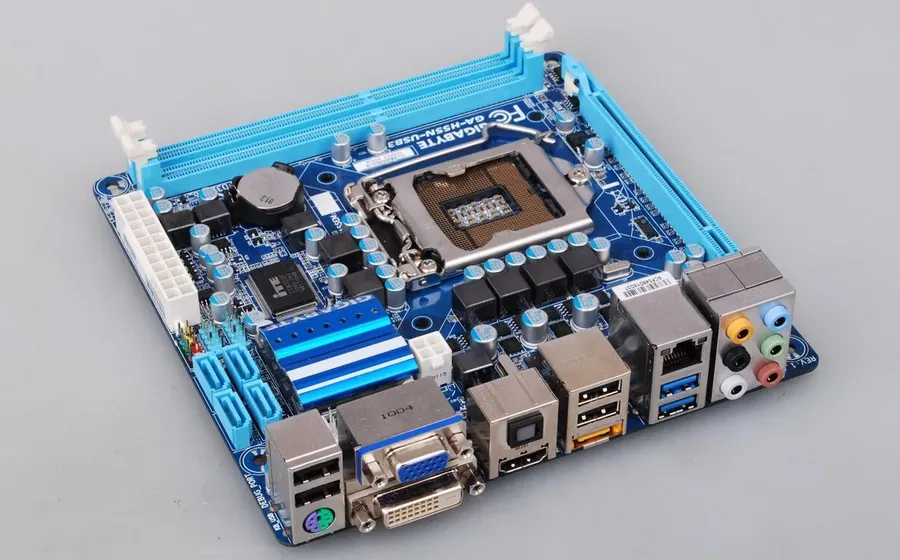
Integrated circuits (ICs) are the fundamental building blocks of modern computers, performing a diverse range of essential functions. These miniature marvels facilitate signal processing, memory storage, logic operations, and power management, all within a compact space. Their versatility extends to acting as amplifiers, oscillators, timers, and voltage regulators, making them indispensable for the operations of an integrated circuit computer.
| Function | Description | Specific IC Examples |
|---|---|---|
| Signal Processing | Manipulates electrical signals to perform operations such as filtering, amplification, and modulation. | Operational amplifiers (op-amps), filters, analog-to-digital converters (ADCs), digital-to-analog converters (DACs) |
| Memory Storage | Stores data and instructions for processing, allowing the computer to retrieve information as needed. | DRAM, SRAM, Flash memory (NAND and NOR) |
| Logic Operations | Performs logical calculations based on input signals, forming the basis of computation. | Logic gates (AND, OR, NOT, XOR), multiplexers, adders, flip-flops |
| Power Management | Regulates and distributes power to different parts of the computer system efficiently and safely. | Voltage regulators, power management ICs (PMICs), DC-DC converters |
| Amplification | Increases the strength of weak signals for further processing and transmission. | Operational amplifiers (op-amps), transistor amplifiers |
| Oscillation | Generates periodic signals, which are essential for timing and synchronization of operations. | Crystal oscillators, clock generators |
| Timing | Provides precise timing signals for controlling sequences of events in the computer. | Timers, counters, clock ICs |
| Voltage Regulation | Maintains stable and reliable voltage levels for different components of the system. | Linear regulators, switching regulators |
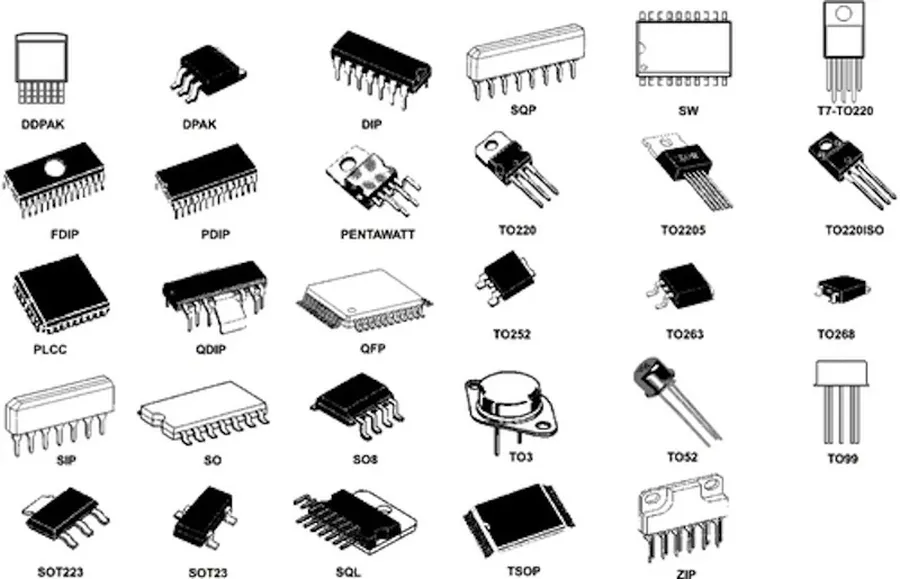
Integrated circuits (ICs) are broadly classified based on their function and the type of signals they process. Understanding these classifications is crucial for comprehending the diverse applications of ICs, particularly within an integrated circuit computer. These classifications include analog, digital, and mixed-signal ICs, each serving unique roles in electronic systems. Further categorization exists based on their function, leading to families such as standard logic, microprocessors, memory, and application-specific integrated circuits (ASICs), which are pivotal to the functionality of an integrated circuit computer.
| IC Type | Description | Typical Applications in an Integrated Circuit Computer |
|---|---|---|
| Analog ICs | Process continuous signals, like voltage and current. Used in amplification, filtering and signal conditioning. | Amplifiers for audio and radio signals, voltage regulators for power supply. |
| Digital ICs | Process discrete signals (0s and 1s). Form the foundation for logic, data processing, and control. | Microprocessors, memory (RAM, ROM), logic gates, and controllers. |
| Mixed-Signal ICs | Combine both analog and digital circuitry on a single chip. Ideal for data conversion, signal acquisition, and embedded systems. | Analog-to-digital converters (ADCs), digital-to-analog converters (DACs), system-on-a-chip (SoCs) |
| Standard Logic ICs | Provide fundamental logic functions (AND, OR, NOT, etc.) using logic gates. Essential for building digital circuits. | Implementing basic logic functions in control units and data paths. |
| Microprocessors | Central processing units (CPUs) that execute instructions within a computer. Core of the processing and control system. | CPU for an integrated circuit computer. |
| Memory ICs | Store digital data, both volatile (RAM) and non-volatile (ROM, Flash). Crucial for storing programs and data. | RAM for active program execution and ROM/Flash for operating system and BIOS. |
| Application-Specific ICs (ASICs) | ICs designed for a specific purpose or application. Provide highly optimized performance for a dedicated task. | Custom chips for graphics processing, cryptography, or network acceleration |
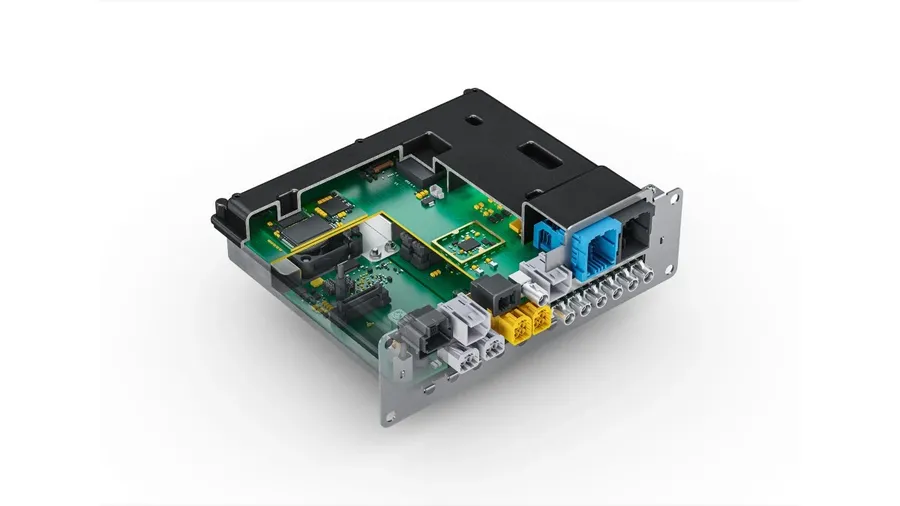
Integrated circuits (ICs) are the bedrock of modern computer performance, acting as the fundamental building blocks that dictate a computer's processing speed, efficiency, and overall capabilities. The performance of an integrated circuit computer is fundamentally tied to the density of transistors within the IC, the clock speed at which it operates, and the efficiency of its memory architecture, such as cache memory. These IC design factors directly translate to a computer's ability to handle complex calculations, process data, and execute instructions effectively.
| Performance Factor | Description | Impact on Computer Performance |
|---|---|---|
| Transistor Density | The number of transistors packed onto a single IC chip. | Higher density enables more complex operations and greater processing capability, leading to faster computation and improved performance. |
| Clock Speed | The rate at which a processor executes instructions, measured in Hertz (Hz). | Increased clock speed means more instructions are processed per second, which directly improves the speed at which the computer operates. |
| Cache Memory | A small, fast memory located close to the CPU, used for storing frequently accessed data. | Faster access to frequently used data accelerates processing and reduces delays, thereby improving the overall performance of the integrated circuit computer. |
Advancements in IC design and fabrication directly correlate with advancements in computer capabilities. For example, the move from single core processors to multi-core processors, and the constant increase in transistor density on modern processors has led to exponential improvements in computing power. Additionally, innovations like 3D transistor architectures have further contributed to the power and efficiency of integrated circuit computers.
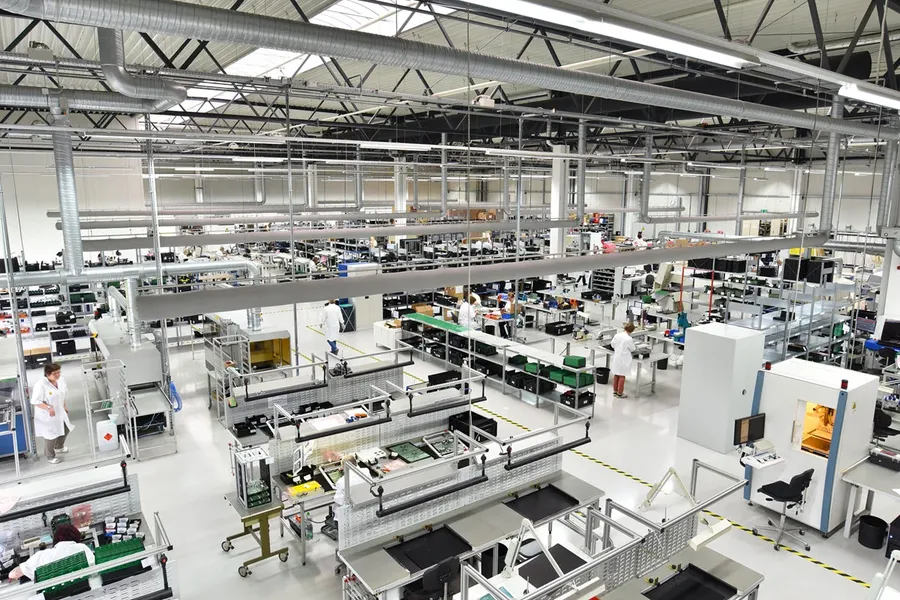
The fabrication of integrated circuits (ICs) is a highly complex, multi-step process demanding extreme precision and control. These manufacturing methods are crucial for producing high-density, reliable ICs that underpin modern computing.
The process begins with wafer production, typically using single-crystal silicon, which undergoes stringent purification and preparation. This is followed by a series of crucial steps:
Each of these steps involves advanced equipment and techniques. Cleanroom environments are essential to avoid contamination during fabrication. These technological advancements have enabled the production of ever-smaller, more efficient, and more reliable integrated circuits, directly contributing to the capabilities of today's integrated circuit computer.
This section addresses common questions about integrated circuits (ICs) and their crucial role in modern computers. Understanding these fundamentals is essential for grasping how electronic devices function at their core. The following questions address the most frequently encountered topics regarding integrated circuits.
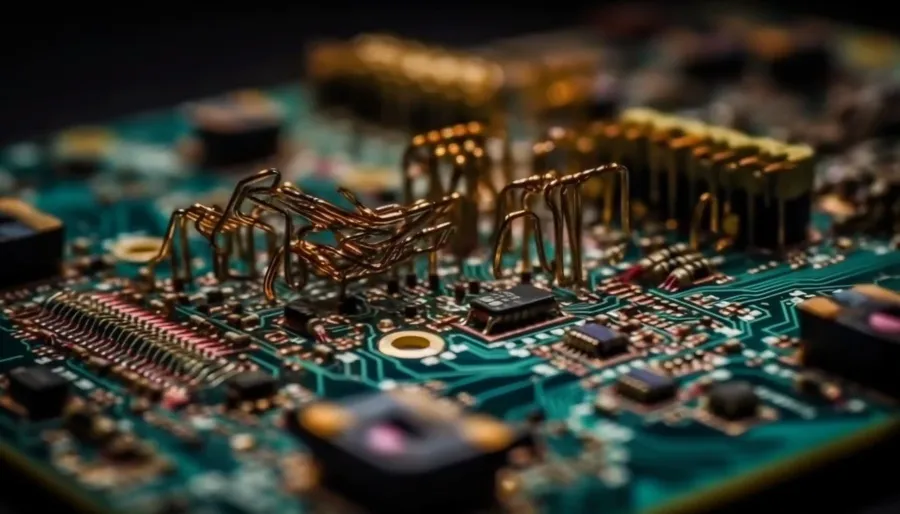
The trajectory of integrated circuit (IC) technology points towards continued innovation, driven by the relentless pursuit of enhanced performance, reduced size, and expanded functionalities. This evolution is poised to redefine the landscape of computing, particularly impacting the future of the integrated circuit computer. Key areas of exploration include 3D integration, advanced materials, and the dawn of quantum computing, each promising breakthroughs in computational capabilities.
These advancements in IC technology are not isolated events; they are part of a continuous cycle of innovation that feeds into each other, thus enabling the creation of smaller, faster and more efficient devices. The future of the integrated circuit computer will not only be defined by these advancements, but will be the driving force behind these breakthroughs.
In summary, the integrated circuit is a cornerstone of modern technology and a crucial component of the [integrated circuit computer], from personal devices to large scale server farms. Its incredible miniaturization has enabled exponential growth in computing power, shaping our digital world. Ongoing innovations will ensure the IC continues to be at the forefront of technological advancement for the foreseeable future, pushing the boundaries of what computers can achieve and how they will interact with the world around us.

