In our electrically driven world, the humble ceramic resistor plays a vital role, often unnoticed. From protecting delicate circuits to regulating power, these components are essential. Much like how the carefully chosen ingredients in a ceramic pot determine its durability, the composition of a ceramic resistor dictates its unique characteristics. This article explores the function of ceramic resistors, their different types, applications, and benefits, offering a guide to their importance in electronic design.
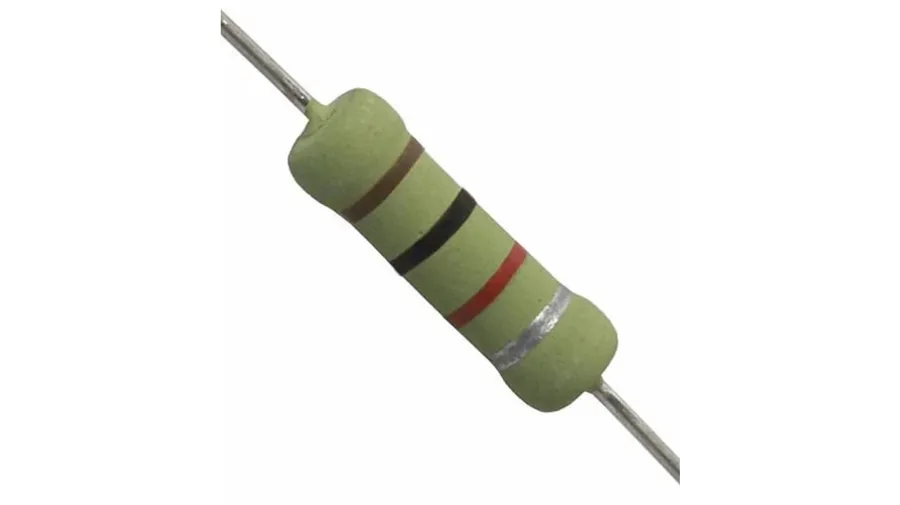
Ceramic resistors are fundamental electronic components characterized by their unique composition of powdered carbon and ceramic materials. This specific combination dictates the resistor's electrical resistance and its performance capabilities, making them suitable for a wide range of applications where stability and durability are critical. The ceramic matrix provides a robust and temperature-resistant structure, while the carbon provides the conductive element responsible for the electrical resistance.
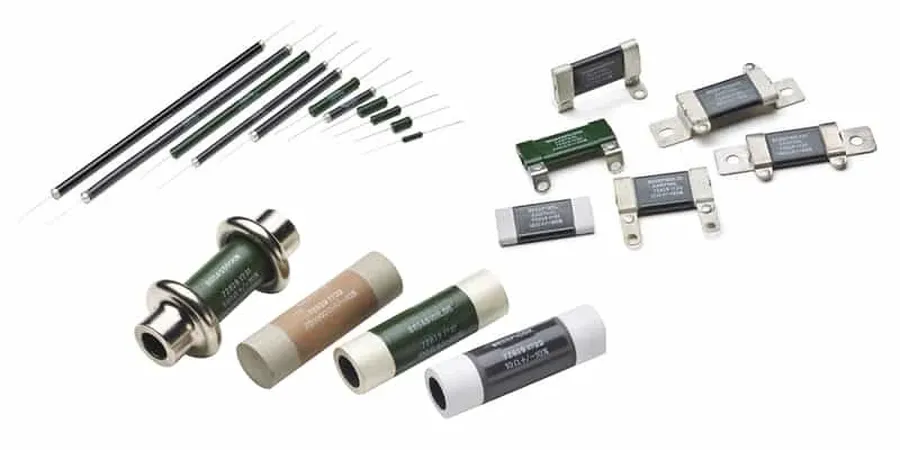
Ceramic resistors are not monolithic in their design; they encompass several subtypes, each tailored for specific applications and performance requirements. These variations arise primarily from differences in their construction and the materials used, impacting their electrical characteristics, power handling capabilities, and operational environments. Understanding these distinct types is crucial for selecting the appropriate resistor for a given application.
| Type | Composition | Typical Applications | Power Handling | Tolerance |
|---|---|---|---|---|
| Ceramic Composition Resistors | Powdered carbon and ceramic binder | General-purpose electronics | Low to moderate | High |
| Ceramic Power Resistors | Ceramic substrate with thick film resistive element | Power circuits, load regulation | High | Moderate |
| Ceramic Housed Resistors | Resistive element in ceramic housing | High-voltage and high-power systems | High | Low |
Ceramic resistors are distinguished by a unique set of characteristics primarily stemming from their composite structure of powdered carbon and ceramic materials. These characteristics make them suitable for a wide range of applications, especially in harsh conditions. Key among these are their exceptional high-temperature resistance, high-power handling capabilities, chemical inertness, and reliable performance in high-voltage environments.
| Characteristic | Description | Implication |
|---|---|---|
| High-Temperature Resistance | Ability to operate at elevated temperatures without significant degradation of performance. | Ideal for applications exposed to high heat, such as industrial machinery and power electronics. |
| High-Power Handling | Capable of dissipating large amounts of power without damage or performance issues. | Suited for power circuits and devices requiring substantial energy management. |
| Chemical Inertness | Resistant to corrosion and degradation from many chemical substances. | Ensures durability and reliability in chemically active environments. |
| High-Voltage Performance | Able to withstand high voltages without breakdown. | Safe operation in high-voltage power distribution and other electrical systems. |
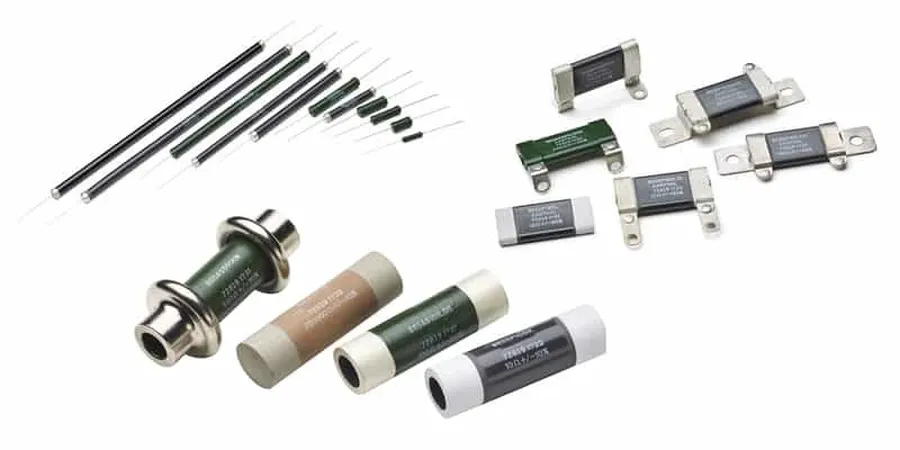
Ceramic resistors, owing to their unique material properties and robust design, find applications across a wide spectrum of electronic and electrical systems. Their capacity to withstand high temperatures, manage substantial power loads, and exhibit excellent chemical inertness makes them indispensable in various demanding conditions.
These applications can be broadly categorized based on the power level and environmental conditions:
In each of these applications, the specific type of ceramic resistor is selected based on the required resistance value, power rating, temperature coefficient, and physical size. This ensures optimal performance and long-term reliability of the electronic system. Their ability to function in harsh environments and provide stable resistance over time makes them a crucial component in electronic design.

Ceramic resistors, while offering unique advantages, must be evaluated against other resistor types like wire-wound and metal film resistors to determine the optimal choice for specific applications. This comparison highlights the strengths and weaknesses of each type under varying conditions, providing a clear understanding for informed decision-making.
| Feature | Ceramic Resistor | Wire-Wound Resistor | Metal Film Resistor |
|---|---|---|---|
| Power Handling | High, especially ceramic power resistors | Very High | Low to Medium |
| Temperature Stability | Good to Excellent | Excellent | Good |
| Precision | Moderate | Low to Moderate | High |
| Inductance | Low (often non-inductive) | Significant, can be problematic in high-frequency circuits | Very Low |
| Cost | Moderate | Higher | Moderate |
| Size | Can be large for high-power applications | Can be large for high-power applications | Small |
| Applications | High-power, high-voltage, and high-temperature circuits, surge protection | Power supplies, braking resistors, high-current applications | Precision circuits, signal processing |
| Mechanical Strength | Good, ceramic housing | Robust, wire and ceramic housing | Fragile, especially thin films |
Selecting the appropriate ceramic resistor for a specific application requires a careful evaluation of several critical parameters to ensure optimal performance and reliability. Key considerations include resistance value, power rating, temperature coefficient, and physical dimensions. Each of these factors plays a vital role in determining how well the resistor will function within the circuit.
| Parameter | Description | Importance |
|---|---|---|
| Resistance Value | The measure of opposition to the flow of electric current, specified in ohms (Ω). | Must match the circuit's requirements. Inaccurate resistance can cause circuit malfunction or damage. |
| Power Rating | The maximum power a resistor can dissipate without being damaged, measured in watts (W). | The selected resistor's power rating must exceed the expected power dissipation in the circuit to prevent overheating or failure. |
| Temperature Coefficient | Indicates how much the resistance changes with temperature, typically expressed in parts per million per degree Celsius (ppm/°C). | Important in environments with fluctuating temperatures. Low temperature coefficient is essential for maintaining stable resistance. |
| Physical Size | The physical dimensions of the resistor, such as length, diameter, and lead spacing. | Must fit the available space in the circuit board and be compatible with assembly processes. Important for both through-hole and surface mount designs. |
Additionally, consider the operating environment, including temperature extremes and humidity levels, which could influence the chosen resistor's long-term performance and reliability. For example, if a circuit is expected to function in high temperature conditions, a ceramic resistor with a low temperature coefficient and high power rating should be prioritized. Understanding these selection criteria will lead to more robust and dependable electronic circuits.
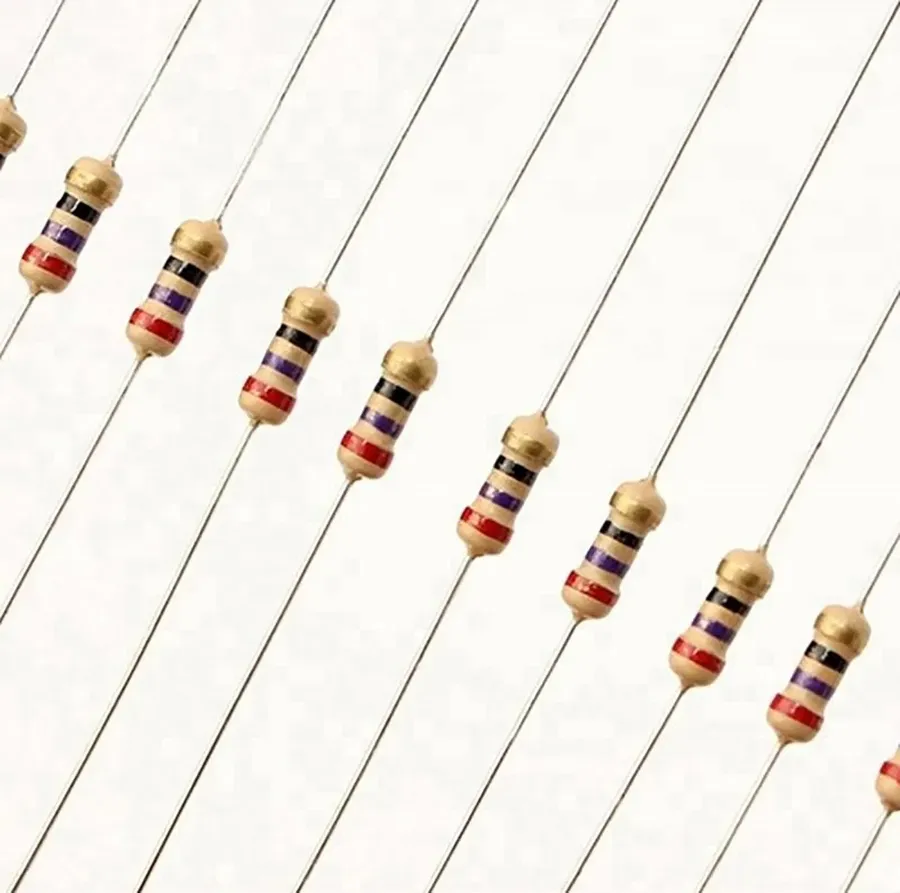
Ceramic resistors, while robust and reliable, often employ a color-coding system to indicate their resistance value, tolerance, and sometimes, temperature coefficient, similar to other resistor types. This system is essential for accurate identification and application of these components in electronic circuits. Understanding these markings is critical for engineers and technicians working with ceramic resistors.
The color code typically consists of several bands painted around the body of the resistor. Each color corresponds to a specific numerical value, multiplier, and tolerance level. Although less common, some ceramic resistors may use alphanumeric markings instead.
| Color | Digit | Multiplier | Tolerance (%) |
|---|---|---|---|
| Black | 0 | 1 | - |
| Brown | 1 | 10 | 1 |
| Red | 2 | 100 | 2 |
| Orange | 3 | 1,000 | - |
| Yellow | 4 | 10,000 | - |
| Green | 5 | 100,000 | 0.5 |
| Blue | 6 | 1,000,000 | 0.25 |
| Violet | 7 | 10,000,000 | 0.1 |
| Grey | 8 | - | 0.05 |
| White | 9 | - | - |
| Gold | - | 0.1 | 5 |
| Silver | - | 0.01 | 10 |
| None | - | - | 20 |
For a typical four-band resistor, the first two bands represent the first two digits of the resistance value, the third band acts as the multiplier, and the fourth band is the tolerance. Five-band resistors include a third digit for higher precision, and a sixth band can sometimes be present indicating the temperature coefficient. To correctly decipher the value, read the bands starting from the side closest to an edge, or where the bands are grouped closer together, moving from left to right.
This section addresses common questions regarding ceramic resistors, aiming to clarify their applications, advantages, and limitations. The following questions are designed to help users understand ceramic resistors better and make informed decisions in their projects.
Ceramic resistors stand out due to their ability to perform reliably under extreme conditions of heat and voltage, making them a crucial component in many electronic systems, from simple household appliances to complex industrial equipment. The unique characteristics and robust performance of ceramic resistors will ensure their continued relevance in both current and future electronic technologies. As we push the boundaries of technology, understanding the nuances of these seemingly simple components is fundamental for innovation and reliability. They highlight the importance of material science in the foundation of modern electronics.

