In our electrically driven world, a 'clean' DC power supply is crucial for optimal performance and reliability of countless devices. This article dives deep into the realm of DC filters—their vital role, different types, practical applications and how they prevent unwanted noise and interference. Understanding DC filter technology will empower you to maintain the integrity of your DC-powered systems.
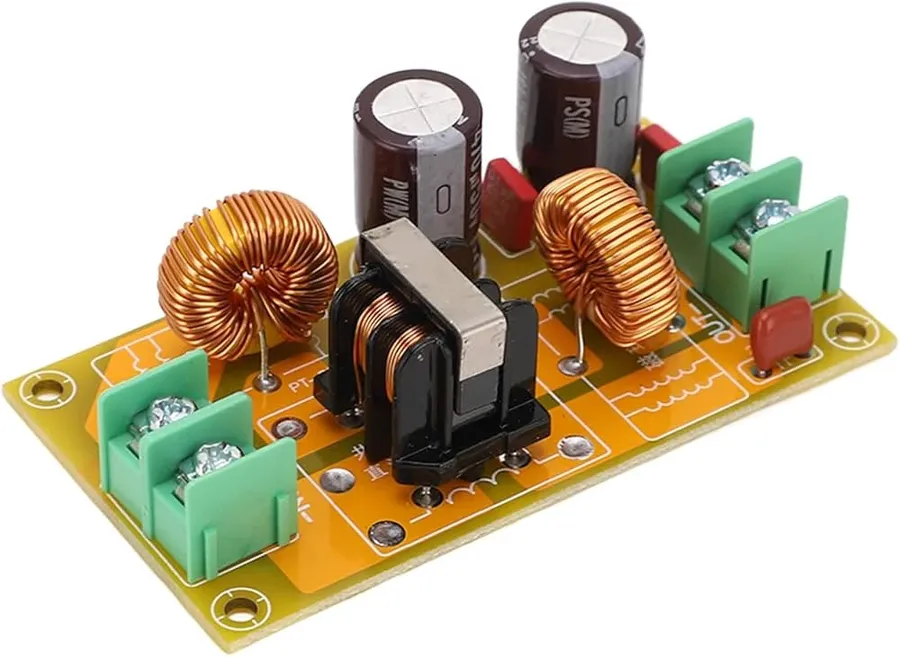
At its core, a DC filter is an electronic circuit engineered to eliminate undesirable alternating current (AC) components, electrical noise, and electromagnetic interference (EMI) from a direct current (DC) power supply. This crucial function ensures that sensitive electronic devices receive a stable and clean power signal, which is paramount for their optimal performance and longevity. The need for DC filters spans across numerous applications, ranging from everyday consumer electronics to highly specialized industrial and aerospace equipment, with particular emphasis in contexts requiring high data integrity and signal fidelity.
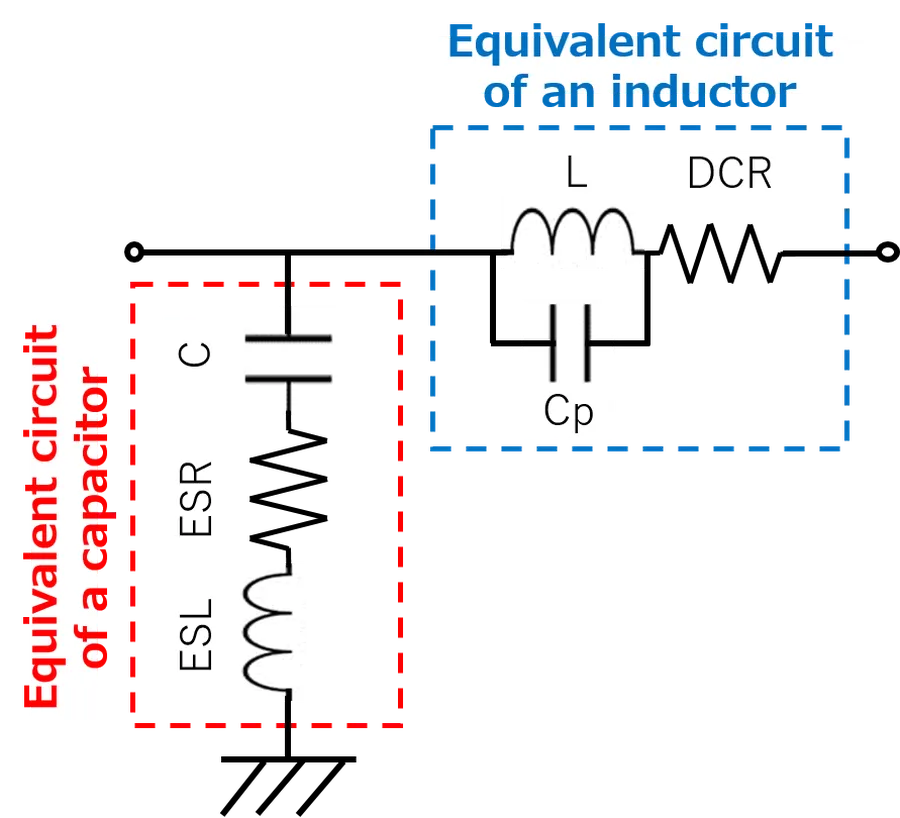
DC filters are essential components in electronic circuits, designed to mitigate unwanted AC components, noise, and electromagnetic interference from a direct current (DC) power supply. These filters are not monolithic; they come in various designs, each with unique operational principles, component makeups, and applications. Understanding these differences is crucial for selecting the appropriate filter for a given application. The following section explores the most common DC filter types and their characteristics.
| Filter Type | Principle of Operation | Component Composition | Typical Applications | Strengths | Weaknesses |
|---|---|---|---|---|---|
| Capacitor-Based Filter | Capacitors block DC and pass AC components to ground. | Capacitor(s) in parallel with the load. | Low-frequency noise reduction, smoothing ripple voltage, commonly used in power supplies. | Simple, cost-effective, good for ripple reduction. | Limited effectiveness at high frequencies, can exhibit higher ESR (Equivalent Series Resistance) at higher frequencies. |
| Inductor-Based Filter | Inductors block AC and pass DC components. They resist rapid changes in current. | Inductor(s) in series with the load. | Suppression of high-frequency noise, typically used in switching power supplies, often as a choke. | Good for high-frequency noise suppression, can handle higher currents than capacitors. | Bulky, more expensive, can introduce voltage drop, not as effective with low frequencies noise. |
| LC Filter | Combines the properties of capacitors and inductors to selectively pass or block specific frequencies. | Inductor(s) in series, capacitor(s) in parallel with the load, creating a low pass filter configuration. | EMI/RFI suppression, general noise reduction, widely used in power electronics and high-speed signal processing. | Effective at both low and high frequencies, tunable filter response. | More complex and costly than single component filter, may exhibit resonance. |
| Active Filter | Uses active components such as op-amps to create complex filtering responses, can have extremely high performance | Op-amps, resistors, capacitors, and inductors. | Applications where precision filtering, extremely low noise, and or specific filter shapes are required, such as audio equipment, instrumentation amplifiers. | Highly customizable filter responses, can provide gain, extremely low noise | More complex and costly than passive filters, requires power supply. |
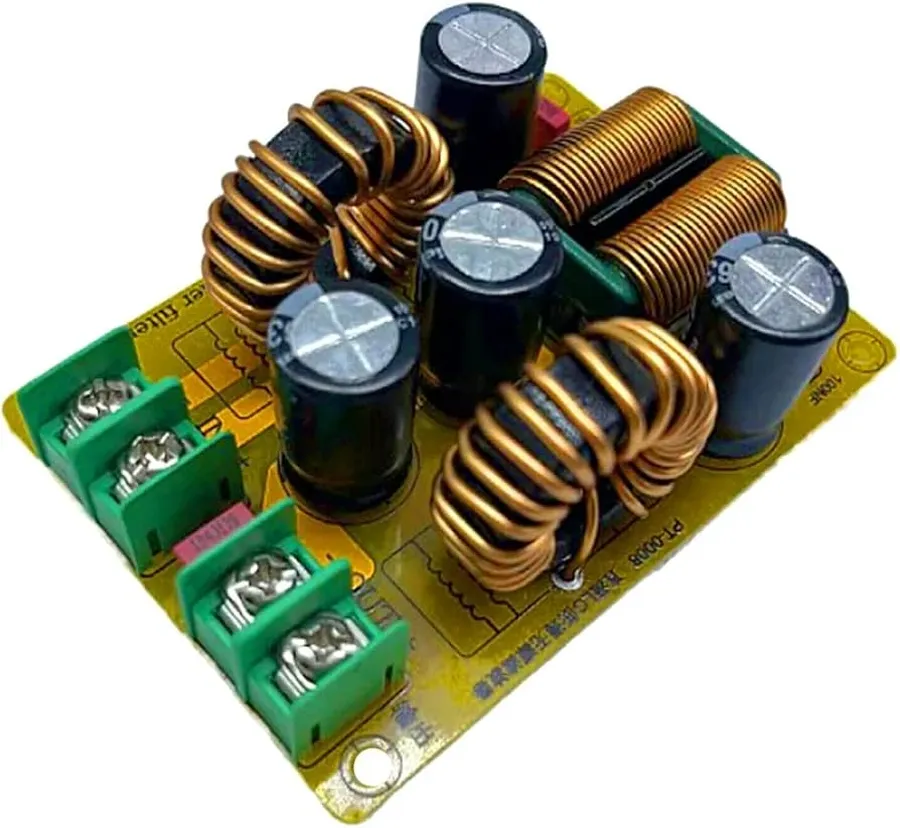
DC filters are indispensable components in a wide array of applications, essential for maintaining the integrity and stability of power delivery. Their ability to mitigate unwanted AC noise, electromagnetic interference (EMI), and voltage fluctuations from direct current (DC) power sources makes them vital in diverse fields, ranging from consumer electronics to demanding industrial and aerospace environments. This section will explore specific use cases, focusing on how DC filters contribute to the proper operation of various technologies.
| Application Area | Specific Use Case | Benefit Provided by DC Filter |
|---|---|---|
| Consumer Electronics | Powering smartphones, laptops, and tablets | Ensures stable and clean power to sensitive circuits, preventing malfunctions and extending device lifespan. |
| Audio Equipment | Amplifiers, DACs, and audio processing units | Reduces noise and distortion, enhancing audio fidelity and clarity by removing unwanted high-frequency harmonics. |
| Aerospace | Avionics, flight control systems, and satellite power distribution | Protects sensitive electronics from EMI and ensures reliable power delivery for critical systems in harsh environments. |
| Medical Devices | Diagnostic equipment, patient monitoring systems, and therapeutic devices | Delivers clean and stable power necessary for accurate and reliable measurements and therapeutic interventions, minimizing the risk of malfunction |
| Industrial Control Systems | Motor drives, automation equipment, and robotic systems | Provides stable power to controllers, actuators, and other elements, preventing errors and ensuring smooth, reliable operation. |
| Renewable Energy Systems | Solar panel inverters, wind turbine converters, and battery storage units | Smooths out power output from intermittent sources and protects against grid-related disturbances, facilitating efficient and reliable energy conversion. |
DC filters are critical in audio systems for minimizing noise and distortion by removing unwanted high-frequency components from the DC power supply, thereby enhancing signal clarity and achieving higher fidelity audio. This is achieved by filtering the DC power lines going to sensitive analog and digital components of audio systems.
In audio equipment, DC filters target specific problems such as high frequency noise and harmonics present on the DC power rail, which can be introduced through the power rectification process or switching power supplies. These interferences, if left unfiltered, can significantly degrade the audio quality by causing audible hiss, hum, and other unwanted artifacts, especially in sensitive components like pre-amplifiers and DACs (Digital-to-Analog Converters).
| Component | Function | DC Filter Benefit |
|---|---|---|
| Preamplifiers | Amplifies weak audio signals | Reduces noise that would be amplified along with the audio signal. |
| Power Amplifiers | Increases the signal power for driving speakers | Minimizes distortion and noise, delivering a cleaner and louder audio signal. |
| Digital-to-Analog Converters (DACs) | Transforms digital audio data into analog signals | Ensures a clean DC power for accurate and faithful sound reproduction. |
| Audio Signal Processors | Modifies and optimizes audio signals | Reduces unwanted interference in signal processing, leading to improved audio quality. |
The selection of DC filter components for audio applications often involves choosing capacitors for blocking DC signals and inductors for blocking AC noise, with passive filter configurations such as LC filters being commonly used to provide a low impedance path for DC current while attenuating AC noise. Proper component selection and filter design, specific to the frequency response required, are paramount to ensure effective noise suppression without causing signal degradation. A well designed and implemented DC filter not only minimizes noise but also improves the overall dynamic range and clarity of the audio output. This makes DC filtering a crucial step in achieving high quality audio reproduction, especially for audiophiles and professional audio applications.
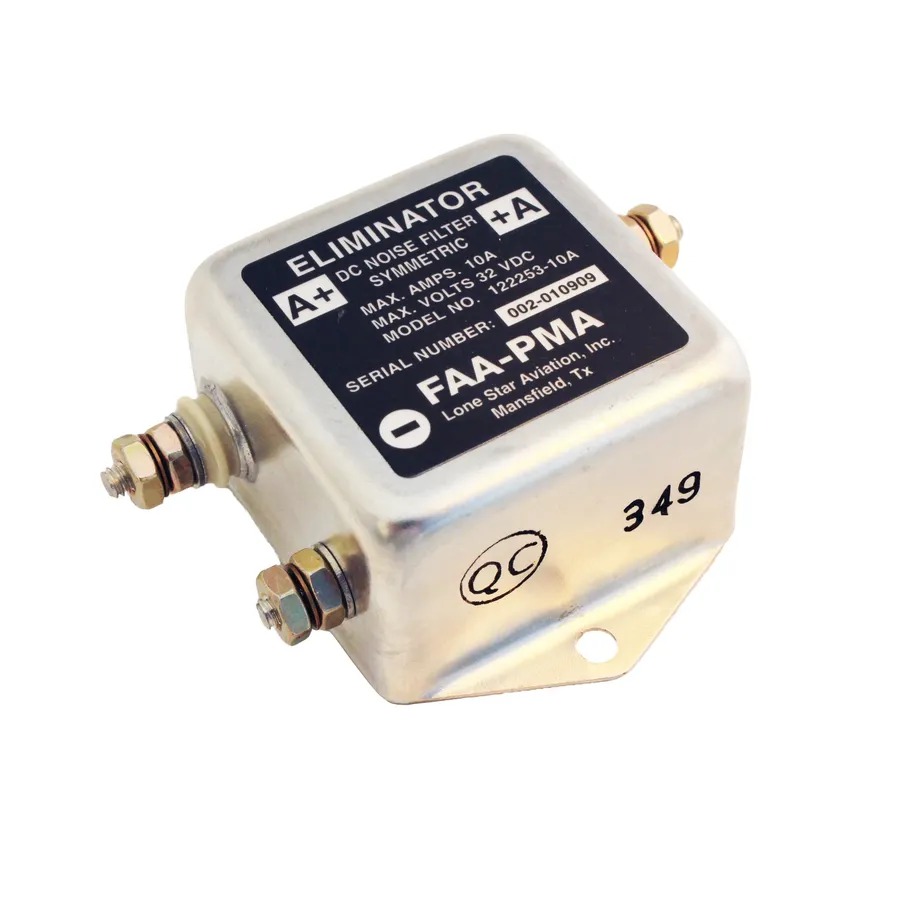
In aerospace applications, DC filters are indispensable for maintaining the integrity and reliability of power systems. The stringent requirements of avionics and flight control systems necessitate robust and highly specialized filter designs. These filters play a vital role in ensuring uninterrupted power delivery and mitigating electromagnetic interference (EMI), both of which are critical for mission success and safety in aircraft, satellites, and other space vehicles.
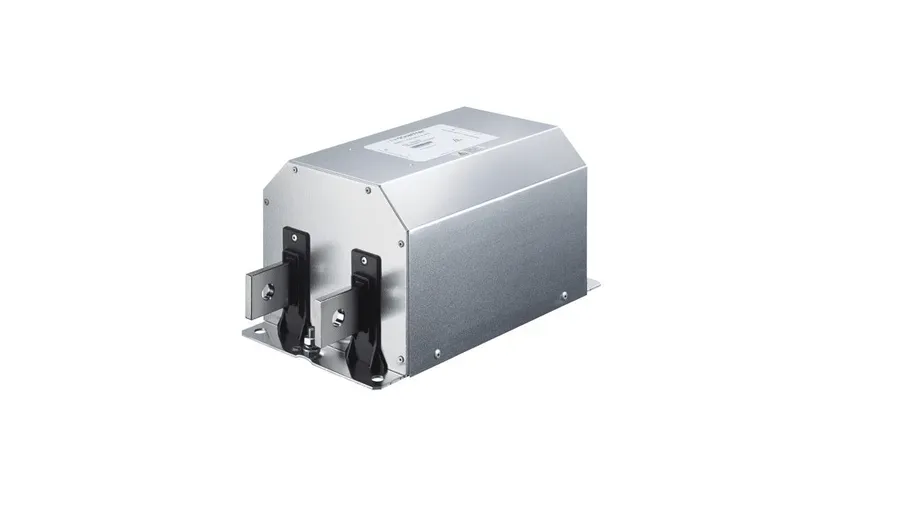
DC filters are indispensable in renewable energy systems, ensuring the reliable and efficient integration of power sources like solar panels, wind turbines, and battery storage into the electrical grid. These filters mitigate power fluctuations and electromagnetic interference, optimizing the overall performance and stability of the renewable energy infrastructure.
| Feature | Solar Panel Installations | Wind Turbines | Battery Storage Systems |
|---|---|---|---|
| Purpose | Smooth variable DC output, reduce harmonics | Regulate variable DC output, reduce harmonics and noise | Minimize noise and voltage ripple during charging and discharging |
| Benefit | Stable DC power for inverters and grid compatibility | Stable DC input for inverters and grid compatibility | Enhanced battery lifespan and performance. |
| Key Requirement | Filter out voltage fluctuations due to changing sunlight | Filter out voltage fluctuations due to variable wind speeds | Filter out ripple from the DC-DC converter |
Selecting the appropriate DC filter is crucial for optimal system performance, necessitating careful evaluation of several key parameters. This involves not only the electrical specifications but also the practical implications of cost, physical size, and overall efficiency. A mismatch can lead to inadequate filtering, system instability, and potential damage to sensitive components.
| Parameter | Description | Impact on Filter Selection |
|---|---|---|
| Voltage Requirements | The maximum DC voltage the filter must withstand. | Incorrect voltage rating can result in component failure and system malfunction. |
| Current Requirements | The maximum DC current the filter must handle. | Under-specified current rating can cause overheating and damage to the filter. |
| Frequency Response | The filter's effectiveness across the frequency spectrum, specifically the frequencies of noise to be attenuated. | Critical for targeting specific noise components. For instance, high-frequency noise requires a filter with adequate high-frequency attenuation. |
| Noise/Interference Type | The specific type of noise to be mitigated (e.g., EMI, voltage ripple, high frequency noise). | Different filter types are better suited to attenuate specific types of noise. An LC filter is good for ripple while an active filter is good for broad spectrum. |
| Cost | The monetary expense associated with the filter. | Balance performance and budgetary constraints; more complex filter topologies may result in higher cost. |
| Efficiency | The power loss across the filter; it should have a minimal impact on power consumption. | Higher efficiency leads to lower operating costs and heat generation. |
| Form Factor | The physical size and dimensions of the filter. | Constrained by space limitations within the application; smaller filter designs can be more difficult to cool and cost more. |
To effectively select a DC filter, begin by precisely identifying your application’s voltage and current operating range, and then analyze the spectral content of the noise to be filtered. Use these parameters to evaluate filter type (e.g., passive or active), topology (e.g., LC, RC, active), and component selection. Further, evaluate the tradeoffs between the performance, cost and physical requirements. Always prioritize components with established reliability and appropriate derating, to ensure the filter operates optimally over its operational life.
This section addresses common questions regarding DC filters, providing clear and concise answers to help you better understand their function, selection, and implementation.
DC filters are indispensable for maintaining the integrity of electrical and electronic systems across numerous industries. From ensuring smooth audio signals to protecting crucial flight avionics, a deep understanding of these filters is paramount. By applying the knowledge gained from this comprehensive overview of [dc filter] technology, you are well positioned to make informed decisions in the design and implementation of your own DC-powered systems, ensuring both longevity and top-tier performance.

