In the world of electronics, the humble 1N5408 diode stands as a workhorse, quietly enabling power conversion and circuit protection. Just like the heart valves that regulate blood flow, the 1N5408 ensures that electrical current travels in the intended direction. This article delves deep into this robust rectifier diode, examining its specifications, applications, and why it’s indispensable in numerous electronic designs. We'll bridge the gap between theory and practical use, demystifying the 1N5408 for both beginners and seasoned electronics enthusiasts.
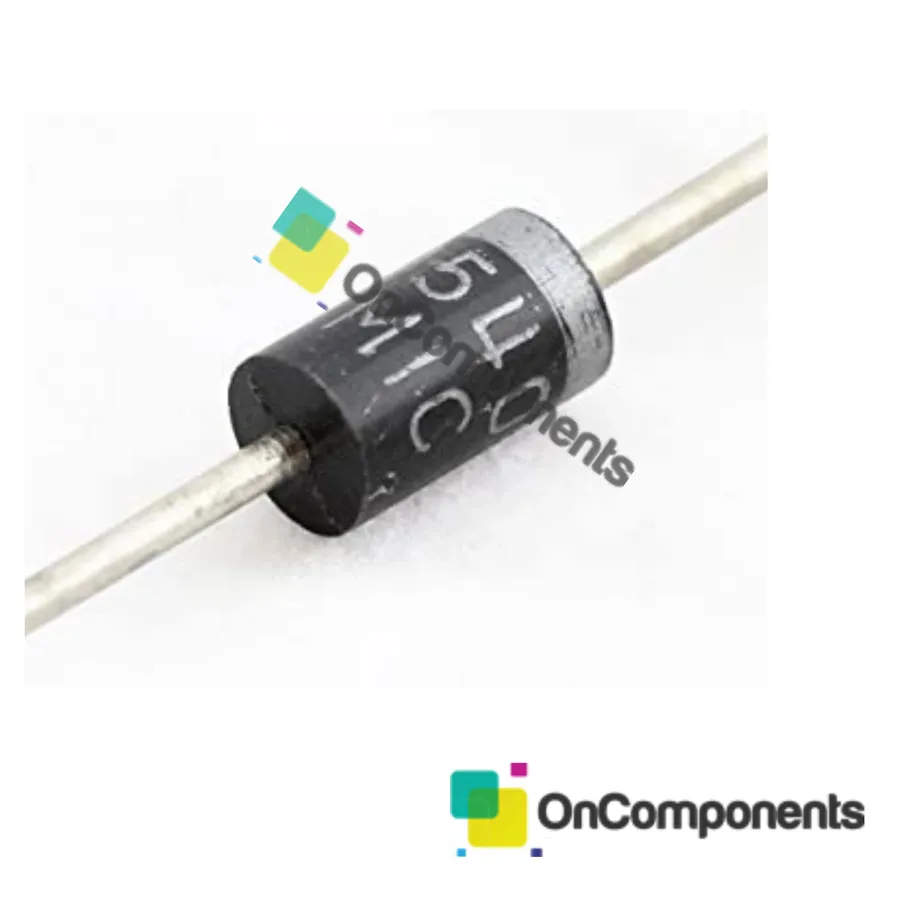
The 1N5408 diode is a fundamental component in electronics, primarily used as a silicon rectifier. It is engineered to allow current to flow primarily in one direction, crucial for converting alternating current (AC) to direct current (DC). Understanding its structure, voltage and current handling capabilities, and how to identify its polarity is essential for effective circuit design and application.
At its core, the 1N5408 is a P-N junction diode. The 'P' side, or anode, is positively charged and accepts current. The 'N' side, or cathode, is negatively charged, and current flows out of this terminal. This asymmetry is essential for its rectifying functionality. The 1N5408 is a silicon-based device; silicon is chosen for its high temperature stability and good electrical properties. The voltage and current ratings of the 1N5408 are crucial for determining its suitability for different applications.
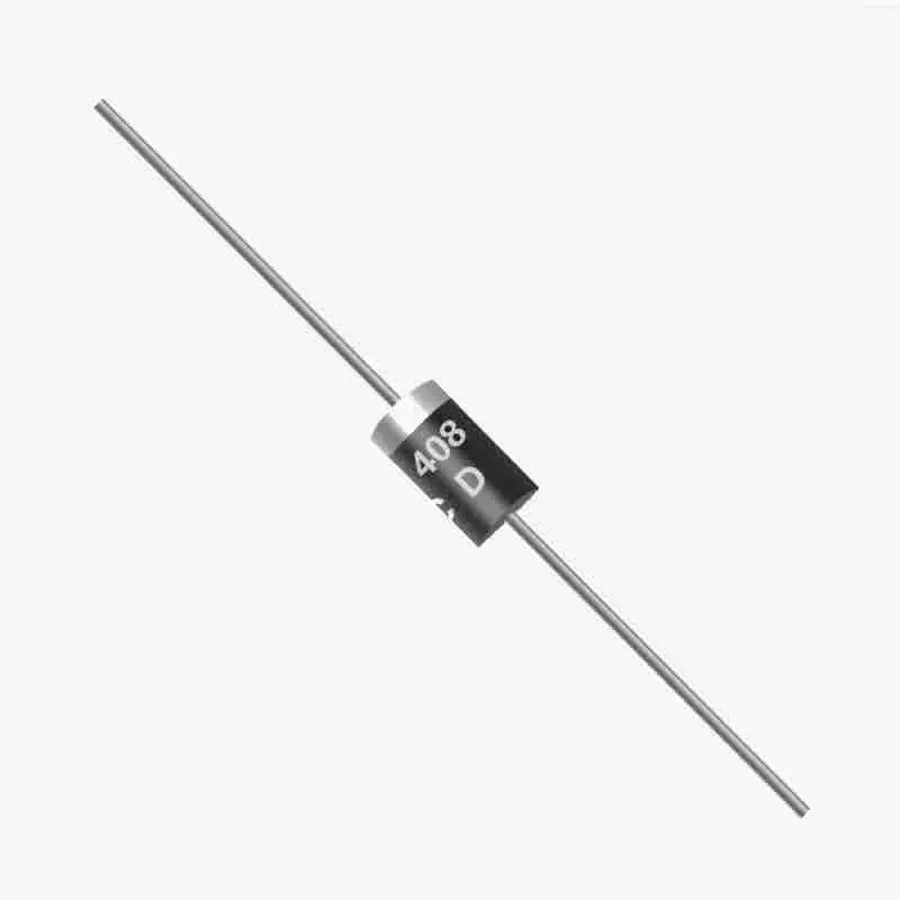
The 1N5408 diode is a robust silicon rectifier characterized by several key specifications that dictate its performance in various applications. Understanding these parameters is crucial for effective circuit design and ensuring reliable operation. These specifications include maximum current handling, voltage withstanding capabilities, and temperature sensitivities, all of which are interconnected to dictate diode performance. This section provides a detailed breakdown of these essential characteristics.
| Parameter | Value | Conditions | Significance |
|---|---|---|---|
| Maximum Forward Current (IF(AV)) | 3A | Continuous, at specified ambient temperature | Indicates the maximum continuous current the diode can handle without damage. |
| Peak Reverse Voltage (VRRM) | 1000V | Maximum repetitive reverse voltage | Specifies the maximum voltage the diode can withstand in reverse bias before breakdown. |
| Non-Repetitive Peak Forward Surge Current (IFSM) | 200A | One cycle, 60Hz | Indicates the surge current the diode can handle for a short period. |
| Forward Voltage Drop (VF) | 1.1V | At IF = 3A | The voltage drop across the diode when it is conducting in the forward direction, varies with current and temperature. |
| Operating Temperature Range | -65°C to +175°C | Junction temperature | Specifies the temperature range within which the diode can operate reliably. |
| Reverse Leakage Current (IR) | 5µA | At VR = 1000V and 25°C | The small current that flows when the diode is reverse-biased. |
It is important to note the temperature dependence of the 1N5408's parameters. For instance, as temperature increases, the forward voltage drop (VF) typically decreases, while the reverse leakage current (IR) increases. These variations can impact circuit performance, especially under extreme conditions. When designing for reliable operation, it is crucial to consider not only the absolute values of these specifications but also how they vary with temperature.
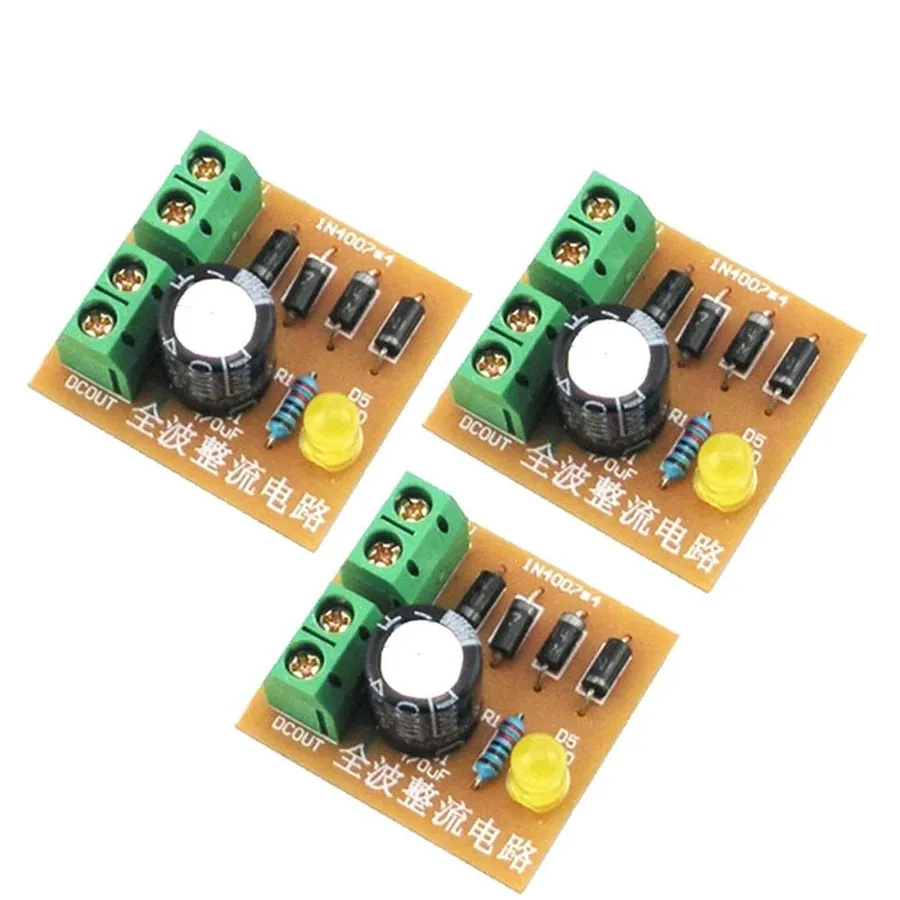
The 1N5408 diode, a robust silicon rectifier, is widely utilized across various electronic applications due to its ability to handle substantial current and voltage. Primarily designed for AC to DC conversion, its versatility extends to protection circuits and inductive load management, demonstrating its integral role in diverse electronic systems.
These applications showcase the 1N5408 diode's versatility and reliability, which make it a staple in electronics design. Its ability to operate across a wide voltage and current range contributes to its wide adoption in simple to complex applications, and it is integral to numerous electronic projects.
The 1N5408 diode is a popular choice for rectification due to its robust specifications, but understanding its performance relative to other diodes is crucial for effective circuit design. This section provides a comparative analysis, primarily focusing on the 1N4007, to enable informed component selection.
| Parameter | 1N5408 | 1N4007 |
|---|---|---|
| Maximum Repetitive Peak Reverse Voltage | 1000V | 1000V |
| Maximum Average Forward Current | 3A | 1A |
| Peak Forward Surge Current | 200A | 30A |
| Typical Forward Voltage Drop | 1.0V | 1.1V |
| Operating Temperature Range | -65°C to +175°C | -55°C to +175°C |
| Package Type | DO-201AD | DO-41 |
While both diodes share a similar peak reverse voltage, the 1N5408 boasts a significantly higher forward current capacity (3A vs 1A) and a much higher surge current rating(200A vs 30A) compared to the 1N4007. The 1N5408 is typically housed in a larger DO-201AD package, while the 1N4007 utilizes the smaller DO-41 package. These differences make the 1N5408 more suitable for high current applications. The typical forward voltage drop is similar, around 1 volt, which does not differ significantly between the two.
Considerations when choosing between the 1N5408 and 1N4007 depend primarily on the current requirements of the application. If the circuit demands higher current handling, the 1N5408 is preferred. However, for low current applications the 1N4007 offers a more compact package, and lower cost, making it ideal for low current applications. Understanding these distinctions is crucial for optimizing performance and reliability in practical electronic designs.
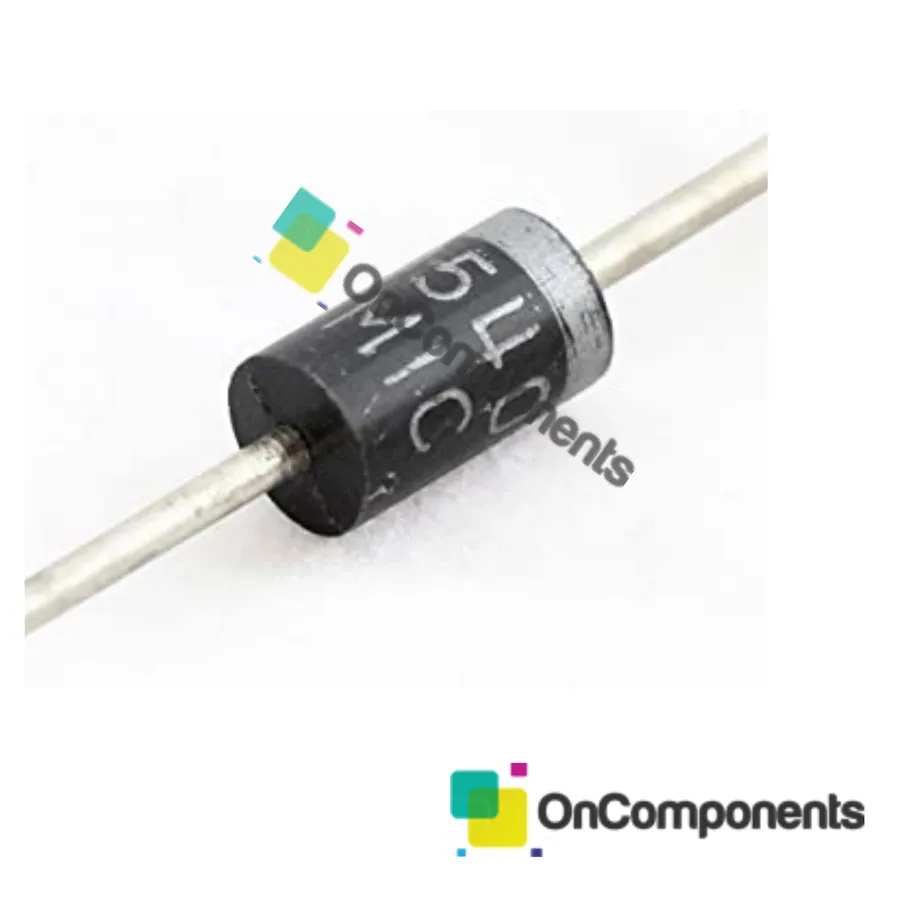
Understanding a datasheet is crucial for effectively using any electronic component, and the 1N5408 diode is no exception. This section provides a guide to interpreting the key parameters and specifications found within a 1N5408 datasheet, which are vital for ensuring proper design, reliable operation, and preventing component failures.
Datasheets provide comprehensive information about a component's characteristics, enabling engineers to design circuits that operate within the specified limits. Key areas to focus on include maximum ratings, electrical characteristics, and thermal specifications. Misinterpreting these parameters can lead to component damage or failure, so it is essential to understand each specification's implications.
| Datasheet Parameter | Description | Implication |
|---|---|---|
| Maximum Repetitive Peak Reverse Voltage (VRRM) | The maximum reverse voltage that the diode can withstand repeatedly without breakdown. | Exceeding this can cause permanent damage, leading to diode failure. |
| Maximum Average Forward Rectified Current (IF(AV)) | The maximum average current that the diode can safely handle in the forward direction. | Exceeding this can cause overheating and degradation of the diode's performance. |
| Peak Forward Surge Current (IFSM) | The maximum non-repetitive surge current the diode can handle for a very short period. | Important for protecting against inrush current, or transient pulses. Exceeding this leads to device failure. |
| Operating Temperature Range | The range of ambient temperatures within which the diode can operate reliably. | Operating outside this range can affect performance and reliability, with higher temperatures leading to faster degradation. |
| Typical Forward Voltage Drop (VF) | The voltage drop across the diode when conducting in the forward direction. | Affects power dissipation in the diode, higher Vf results in higher energy loss and heat generated. |
| Reverse Leakage Current (IR) | The small current that flows through the diode when it is reverse biased. | Can affect efficiency and is temperature dependent. Larger leakage can be indicative of a faulty diode. |
By carefully considering these datasheet parameters, engineers can design robust and reliable circuits with the 1N5408 diode. Always operate within the specified maximum ratings and understand the thermal implications to ensure the longevity and proper functioning of the diode in its intended application.
This section addresses common queries regarding the 1N5408 diode, offering clear and concise answers to enhance understanding and practical application. We delve into its distinctions from similar components, its classification, and its primary uses.
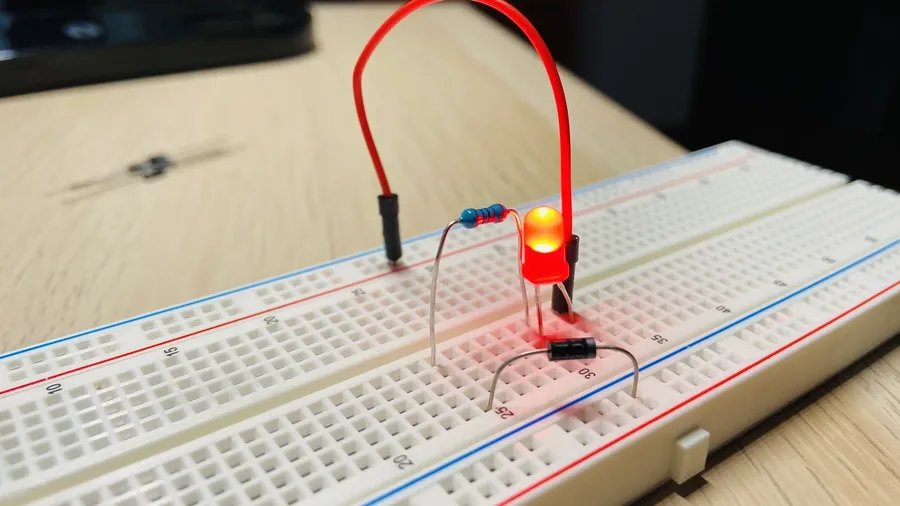
The 1N5408 diode, while robust, requires careful handling and installation to ensure optimal performance and longevity. This section provides practical advice on handling, mounting, soldering, and managing heat to prevent premature failure, particularly focusing on mitigating overheating issues.
Effective troubleshooting of 1N5408 diodes involves diagnosing common failure modes such as shorts, opens, and performance degradation, using techniques like multimeter testing to identify faulty components and ensure circuit reliability.
The 1N5408 diode is a fundamental component in countless electronic circuits, showcasing its importance through its robust specifications, diverse applications, and reliability. From basic power rectification to more advanced voltage protection, understanding the 1N5408 is crucial for both hobbyists and professional engineers. Its ability to handle significant current and voltage makes it a dependable choice. By mastering its properties and potential issues, and integrating it appropriately in your circuit design, you can ensure the longevity and efficiency of your electronic projects. Its ubiquitous presence in power supplies and protection circuits reaffirms its status as a cornerstone of modern electronics.

